


Practice Sessions
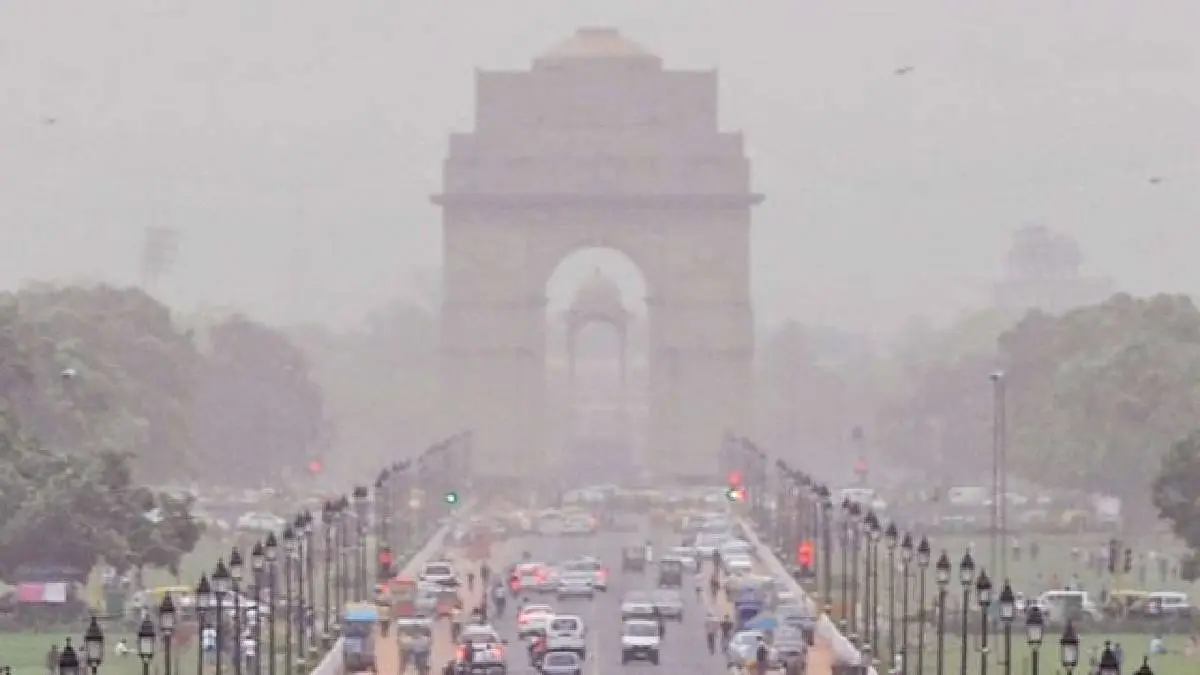
NEW DEHLI: The toxic haze enveloping New Delhi has created a significant disruption in the preparations of both the Sri Lankan and Bangladeshi cricket teams ahead of their World Cup clash on Monday. The heavily-polluted Indian capital has seen its air quality plummet to alarming levels, prompting concerns about the well-being of the players and officials participating in the match.
Swiss group IQAir’s real-time data placed New Delhi at the top of the list of the world’s most polluted cities, with an air quality index (AQI) of 640, categorized as “hazardous.” The toxic haze has led to the closure of some schools in the city and significantly impacted outdoor activities.
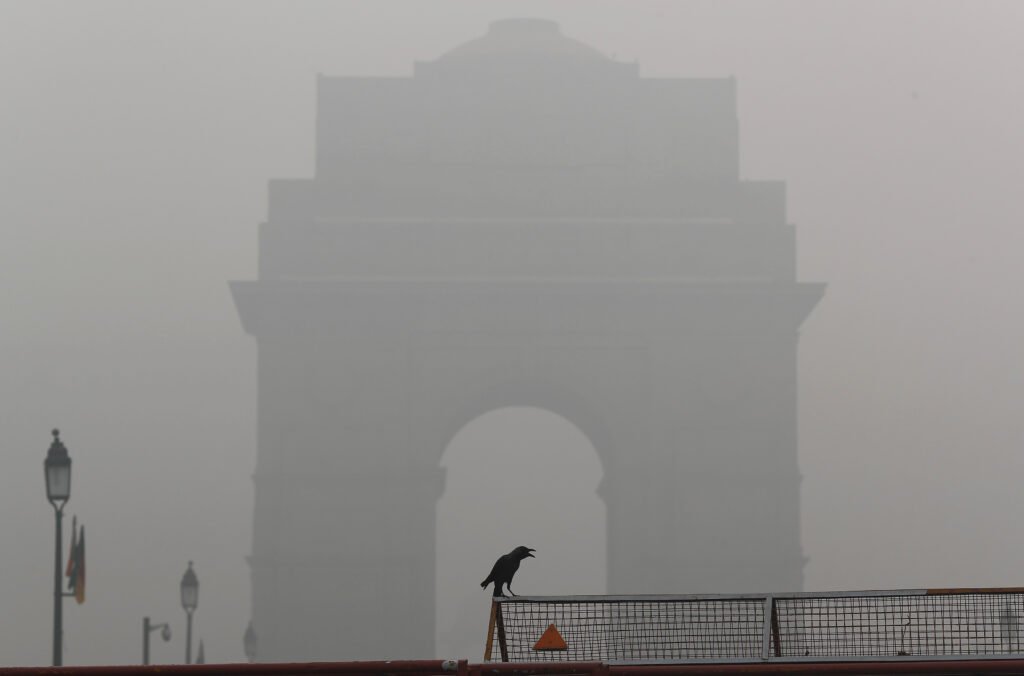
Bangladesh had already canceled their practice sessions on Friday due to the hazardous air quality, further raising concerns about the potential health risks for the players. The Board of Control for Cricket in India (BCCI) had taken measures to ban the use of fireworks in post-match celebrations in New Delhi and Mumbai, in an effort to mitigate pollution.
The International Cricket Council (ICC) is closely monitoring the situation and seeking expert advice to assess the air quality in New Delhi. The health and well-being of all participants in the tournament is a top priority, and the ICC, in conjunction with the BCCI, is taking the necessary steps to ensure their safety.
The issue of air quality in New Delhi has garnered attention in the past, with a previous Test match between India and Sri Lanka witnessing players suffering from health problems, including vomiting on the field. The hazardous air quality is not limited to New Delhi, as Mumbai has also experienced poor air quality, with England player Joe Root describing it as “eating the air.”
India’s cricket captain, Rohit Sharma, has expressed concerns about the deteriorating air quality, emphasizing the importance of addressing the issue, particularly for the well-being of children and future generations.
As the cricketing world watches, the focus remains on ensuring the safety and health of all those involved in the World Cup match in New Delhi, while also drawing attention to the broader issue of air pollution in the region.
