


14%
ISLAMABAD: Exports of Pakistan have finally surged by 14% year-over-year in October 2023, from $2.4 billion to $2.7 billion. It is an encouraging development that will further enhance exports and foreign exchange as well.
Nonetheless, Pakistan’s monthly trade deficit has risen by $0.6 billion due to an $0.8 billion surge in imports.
On an annual basis, the trade deficit is slowly contracting at a pace of 4%, which isn’t necessarily negative news. Import restrictions have been lifted as part of the IMF program, allowing the economy to meet pent-up demand. Mettis Global published this analytical report today.
The promising signs are coming from the export sector. The Pakistani Rupee (PKR) has depreciated by nearly 35% year-over-year, going from PKR 220/USD to PKR 280/USD.
Exporters faced challenges in importing raw materials, machinery, and intermediary goods last year.
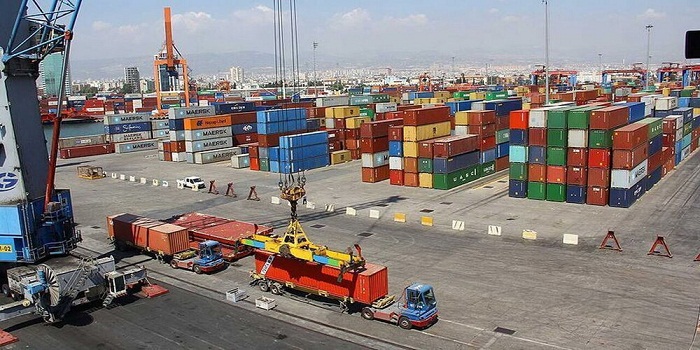
The State Bank of Pakistan (SBP) has recently taken several measures to promote exports. In the context of a recent gas price hike, exporters have been granted competitive gas rates.
While gas-intensive industries may still need more regionally competitive energy rates, the overall intention is positive. Additionally, the alignment between the open market and interbank exchange rates could be attracting capital inflows from official channels.
Addressing Pakistan’s economic challenges necessitates two primary corrections, among numerous others: boosting tax revenues and enhancing value-added exports. Depreciation alone cannot serve as the sole solution to drive economic growth.
To achieve a comprehensive framework, Pakistan needs to increase the Exports-to-GDP ratio, currently at 8%. This entails creating conditions where capitalists stand to gain significantly more from exports and foreign direct investment (FDI) than from property, fixed income, currency, and trading.
The current trend is encouraging, and it must persist with double-digit growth for at least five years.
