


Enforced Disappearances
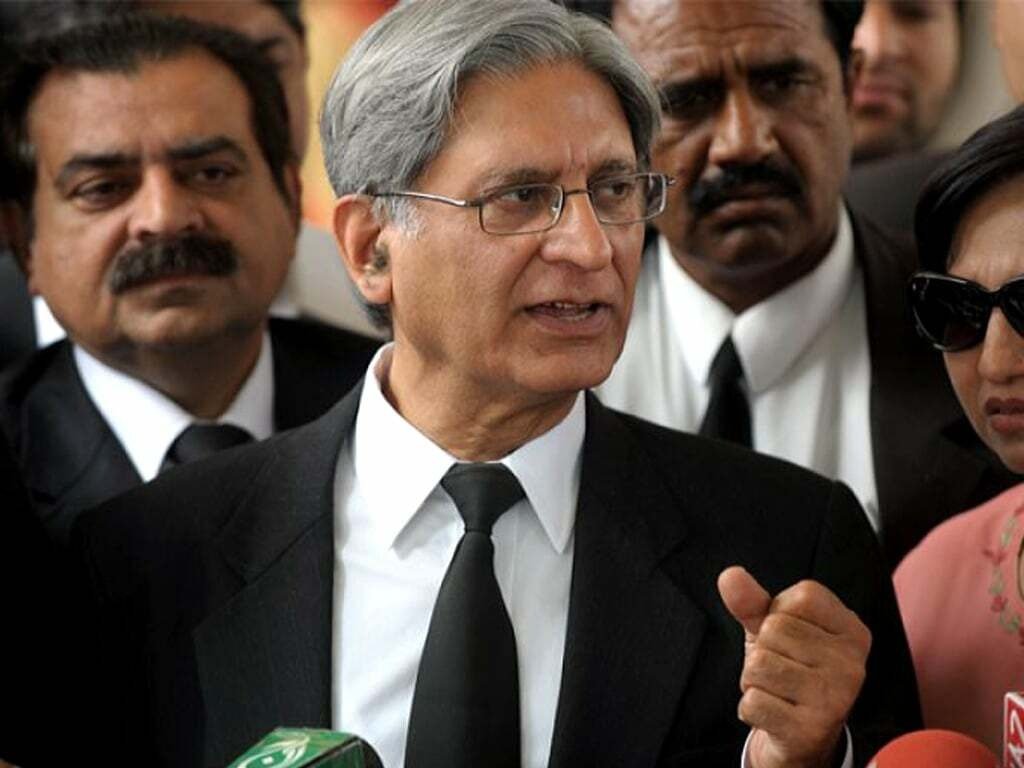
On Wednesday, former senator and senior lawyer Aitzaz Ahsan filed a constitutional petition in the Supreme Court to challenge the illegal and unlawful practice of enforced disappearances.
The move coincided with the PTI’s complaints during a crackdown following the May 9 riots following the arrest of party chairman Imran Khan. Last month, anchorperson Imran Riaz Khan returned home after being missing for four months.
This month, four PTI-affiliated politicians, including Farrukh Habib, Usman Dar, Sadaqat Ali Abbasi, and Sheikh Rashid, reappeared and criticized the party’s policies.
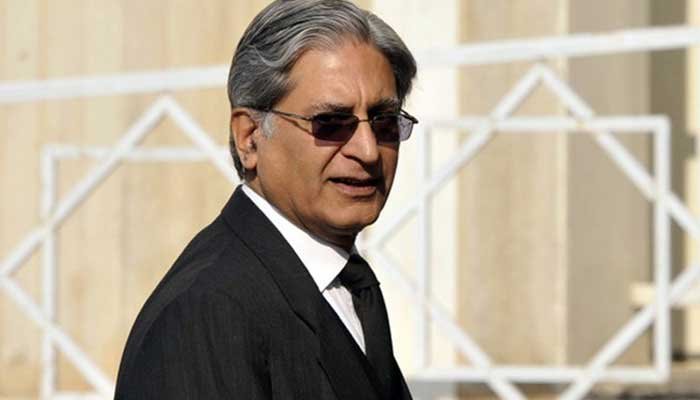
Ahsan filed the petition under Article 184(3) of the Constitution through senior advocate Sardar Latif Khosa, naming the state, the governments, and inspector generals of police (IGP) of all four provinces, the Islamabad IGP, and the ‘Commission of Inquiry on Enforced Disappearances’ (CIED) as respondents.
The plea urged the apex court to accept the petition and declare that enforced disappearances violate various articles of the Constitution, including Articles 4, 9, 10, 14, 19, and 25. Ahsan also requested the formation of a commission led by a Supreme Court justice and comprising various members, including representatives from legal and human rights bodies.
The petition further sought directives for the authorities to ensure compliance with legal and international standards in forming the commission and to provide a list of all disappeared persons in state custody.
Additionally, it requested a report identifying the officers responsible for enforced disappearances within four weeks. The plea emphasized the surge in enforced disappearances and criticized the state’s impunity, urging the court to act as the guardian of fundamental rights.
The petition argued that enforced disappearances were a crime against humanity and violated both fundamental rights and international law obligations.
Missing of certain Politicians
The petition reportedly cited a part of Rashid’s interview, where he revealed his helplessness and alleged interrogation during his isolated confinement. In the cases of Dar and Abbasi, Ahsan referenced the proceedings of high courts addressing pleas for their recovery.
Regarding Habib, the plea highlighted his press conference following his reappearance despite a recent ban on granting airtime to proclaimed offenders, given his declaration as such in the Jinnah House attack case. The plea asserted that the ban evidently did not apply to individuals switching political loyalties.
Missing of bureaucrats and anchorperson
The petition explained that Azam had reappeared as a state approver against his former boss and ex-prime minister from an unknown location, unbeknownst even to his family. It highlighted that in July, Azam had provided a statement in the Al-Qadir Trust case, implicating former premier Imran Khan in retaining the original diplomatic cable related to the cipher case.
Regarding Bhatti, a former Punjab Assembly secretary and close aide to Pervez Elahi, the plea mentioned that he reappeared from an undisclosed location to face charges alongside the former Punjab chief minister.
Regarding Riaz, the former senator raised questions about his recovery, demanding identification and accountability of those responsible for his disappearance.
Baloch missing persons
The petition highlighted the issue of Baloch missing persons, emphasizing its historical and disproportionate impact on the Baloch people. Referring to the case of Dr. Deen Muhammad Baloch, it noted recent incidents where Baloch students had experienced temporary disappearances.
Concerning Prime Minister Anwarul Haq Kakar’s statement about 50 missing persons in Balochistan, the plea contested the claim, stating it lacked official support. The petition further questioned the whereabouts of these individuals even if the figure was accurate.
The petition referenced several reports, including those by the HRCP, CIED, and United Nations agencies.
