



ISLAMABAD: On Wednesday, European Union countries took a significant step by sealing a deal on how to manage irregular migration during periods of unusually high arrivals. This move marks progress in the overhaul of the bloc’s asylum and migration regulations before the upcoming pan-European election next year.
On Wednesday, envoys from the bloc’s 27 member states reached an agreement after resolving the recent dispute between Italy and Germany concerning charity ships rescuing refugees and migrants in the Mediterranean. These individuals are attempting to cross to Europe from the Middle East and Africa.
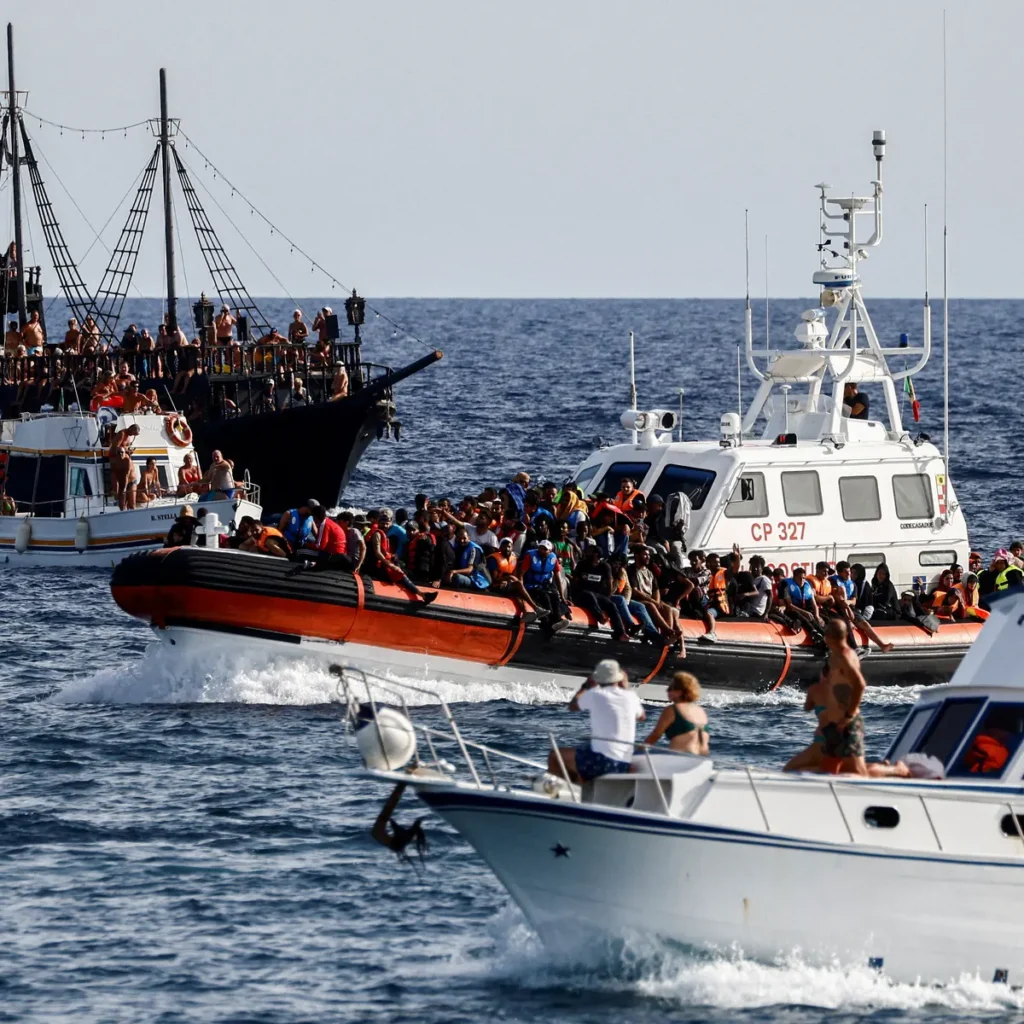
The 27 countries will now engage in further negotiations with the European Parliament with the aim of establishing a functioning migration system before the 2024 European Parliament election, which involves the union’s 450 million people.
Swedish Migration Minister Maria Malmer Stenergard stated, “Now we can advance with the negotiations. It is crucial to establish the pact to ensure order at the EU’s external borders and reduce migration flows.”
The agreement allows countries such as Italy, which receive a high number of arrivals in the Mediterranean, to speed up asylum procedures. They can also seek immediate assistance from other EU member states, including financial aid and relocation support.
EU Migration Reforms and Ongoing Challenges
Since 2015, when over a million people arrived in the EU, catching the bloc off guard and overwhelming countries like Greece and Italy, the EU has been working to reform its asylum system.
Diplomatic sources revealed that Italy accepted the deal after eliminating references to NGO operations. Poland and Hungary voted against the agreement, staunchly opposing hosting individuals from the Middle East and Africa. Austria, the Czech Republic, and Slovakia, although reluctant, chose to abstain. Nevertheless, the majority voted in favor.
The meeting on Wednesday represented the last opportunity to reach an agreement before national leaders convened in Spain’s Granada on Thursday and Friday to discuss irregular migration, which has increased, including arrivals on the Italian island of Lampedusa.
The dispute between Rome and Berlin had prevented an agreement among EU migration ministers the previous week. The tentative agreement on Wednesday still leaves many questions unanswered, including the specifics of its implementation.
