

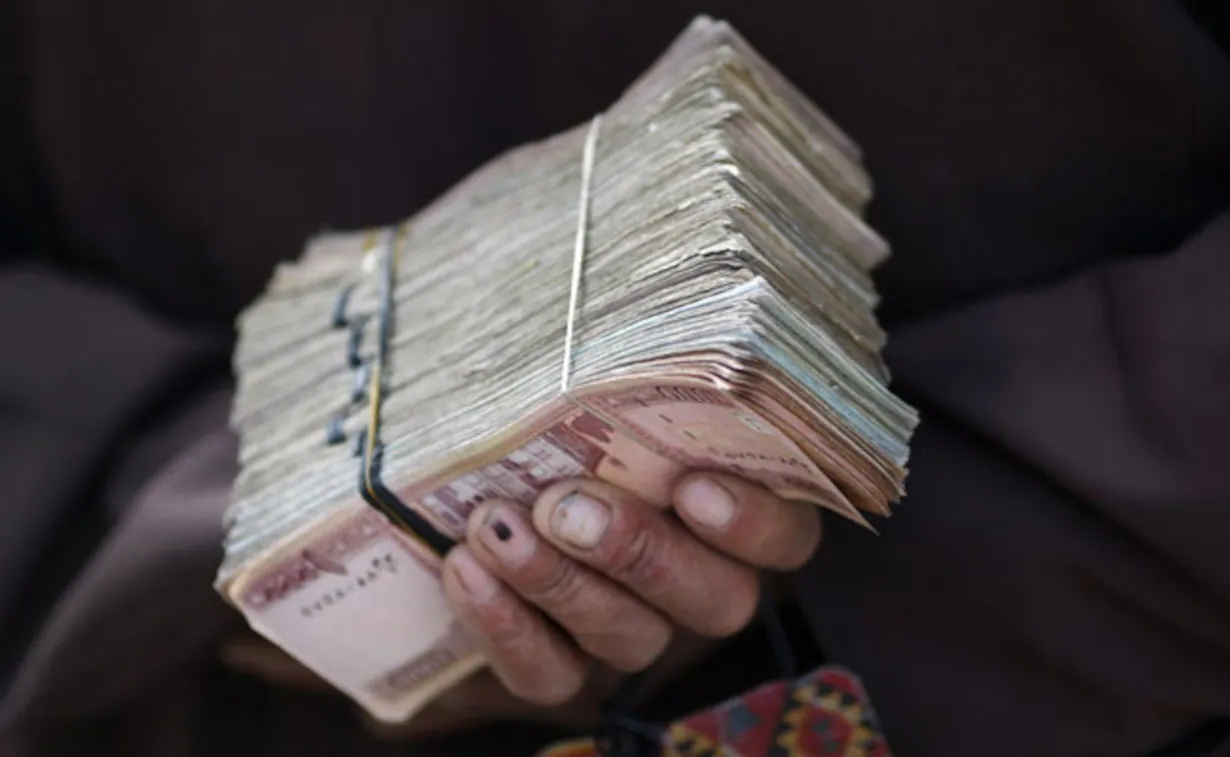

The Afghani, the currency of Afghanistan, has emerged as the best-performing currency of the third quarter of 2023. It has appreciated by 9% against the US dollar since July 1. Consequently, the Afghani ranks as the third-strongest performing currency of the year, trailing only the Colombian peso and the Sri Lankan rupee.
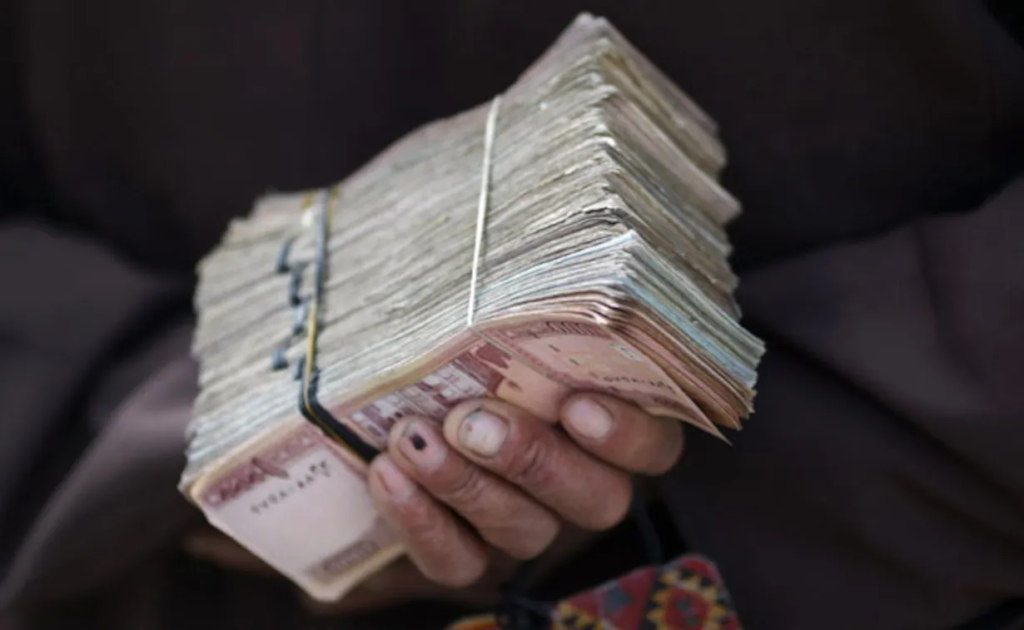
Money exchange shops known as sarrafs facilitate foreign currency transactions in Afghanistan, and individuals can find them in cities, towns, and villages throughout the country. Traders exchange significant sums of money daily at Sarai Shahzada, the largest sarraf market in Kabul and a financial center of Afghanistan. The central bank has stated that there are no trading limits.
Due to financial sanctions, most money sent to Afghanistan from abroad is transferred through an ancient money transfer system called Hawala, which is a substantial part of the Sarrafs’ business.
Despite the Afghani’s recent strength, Afghanistan continues to face significant economic challenges. The United Nations (UN) has estimated that Afghanistan needs approximately $3.2 billion in aid for the year, with only about $1.1 billion sent so far. In the previous year, the UN provided around $4 billion in aid due to the dire humanitarian situation in the country.
The Taliban, who regained control of Kabul in August 2021, have implemented stringent currency controls. These controls prohibit the use of the US dollar and Pakistani rupee by locals and restrict online trading. While these measures have supported the Afghani’s value, the overall economy has suffered, resulting in a surge in unemployment and a worsening humanitarian crisis. Approximately 79% of the population lives in poverty, and 44% of people do not have enough food to eat.
