

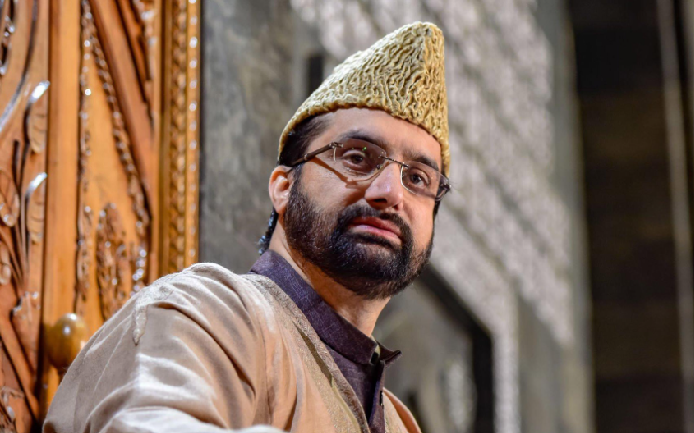

Four-Year Detention
The Indian government released Kashmiri chief cleric and Hurriyat leader Mirwaiz Umar Farooq on Friday after more than four years of house arrest. They detained the 50-year-old, along with other political leaders and thousands of residents, when they revoked held Kashmir’s constitutional semi-autonomy and imposed federal rule in 2019.
A months-long internet shutdown followed as India increased its armed forces in the region to quell protests. While most detainees were subsequently released, Mirwaiz remained confined to his residence near his Jamia Masjid mosque in Srinagar.
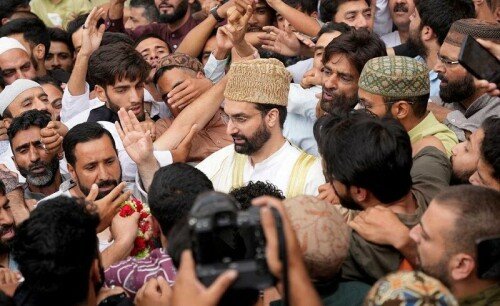
Thousands of worshippers gathered to witness him leading Friday prayers for the first time in 218 weeks. Women showered him with sweets, and religious slogans echoed around the 14th-century building.
Last week, a court demanded an explanation for his prolonged detention, and he informed the crowd that the police had notified him of his release decision on Thursday.
Emotionally, he said, “This period of my house arrest and separation from my people has been the most painful for me since my father’s death.”
The mosque has historically been a hub of separatist politics and anti-India protests. Mirwaiz expressed his strong objections to the constitutional changes made by Prime Minister Narendra Modi’s Hindu nationalist government, calling them “unacceptable.”
He urged peaceful resolution of disputes and disagreements through dialogue rather than the use of force or unilateralism. He also called for the release of numerous political prisoners.
India and Pakistan claim the entire Himalayan territory of Kashmir and have fought two wars over it.
Efforts to bring “peace and prosperity” to the region have allowed Indians from other parts of the country to buy land and secure government jobs, a policy criticized as “settler colonialism.” Overall, Kashmiri leader Mirwaiz Umar Farooq released after four-year detention in India.
