

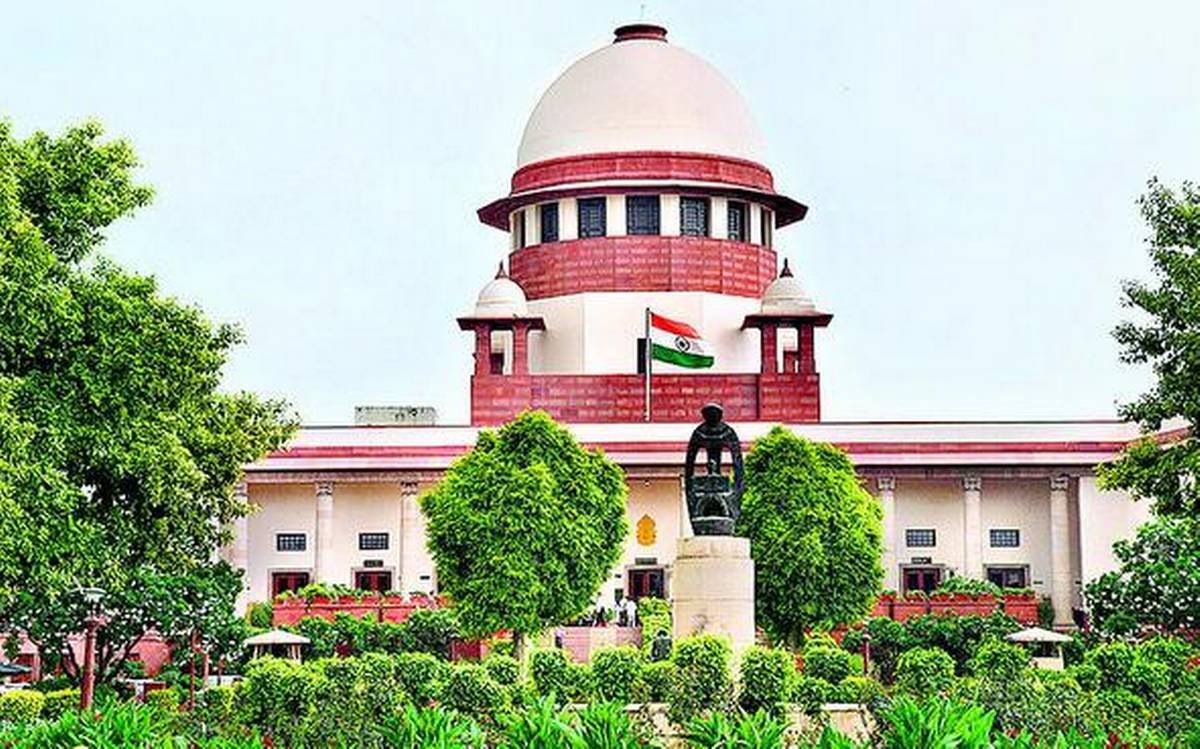

After a split judgment on Thursday, the Indian Supreme Court’s panel was unable to decide whether to uphold a state’s ban on the controversial women’s head scarves, so it sent the issue to the chief justice.
Muslim students and their parents protested after the state of Karnataka banned the garment from being worn in schools in February.
In response, Hindu students organised counter-demonstrations, bringing up another divisive issue at a time when some Muslims have voiced concerns about being marginalized by Prime Minister Narendra Modi’s Hindu nationalist administration.
As India debates the hijab, riots have erupted in Iran due to women objecting to the country’s Islamic laws’ attire requirements.
One of the two judges on the panel, Hemant Gupta of the Supreme Court, stated, “We have a difference of view.”
Gupta claimed that he had wanted an appeal against the ban to be dismissed, but Sudhanshu Dhulia, another member of the panel, claimed that donning the hijab was a “matter of choice.”
They stated that the chief justice will form a larger bench to investigate the issue further, but they did not specify when that may occur. Nationally binding rulings of the Supreme Court.
The split decision was a “semi-victory” for the Muslim petitioners who had filed an appeal against the Karnataka ban, according to Anas Tanwir, one of their attorneys.
He said over the phone, “Hopefully, the chief justice will set up the larger bench soon and we will have a conclusive ruling.”
With 13% of the 1.4 billion people in India, the majority of whom are Hindu, Muslims are the largest minority community there.
