

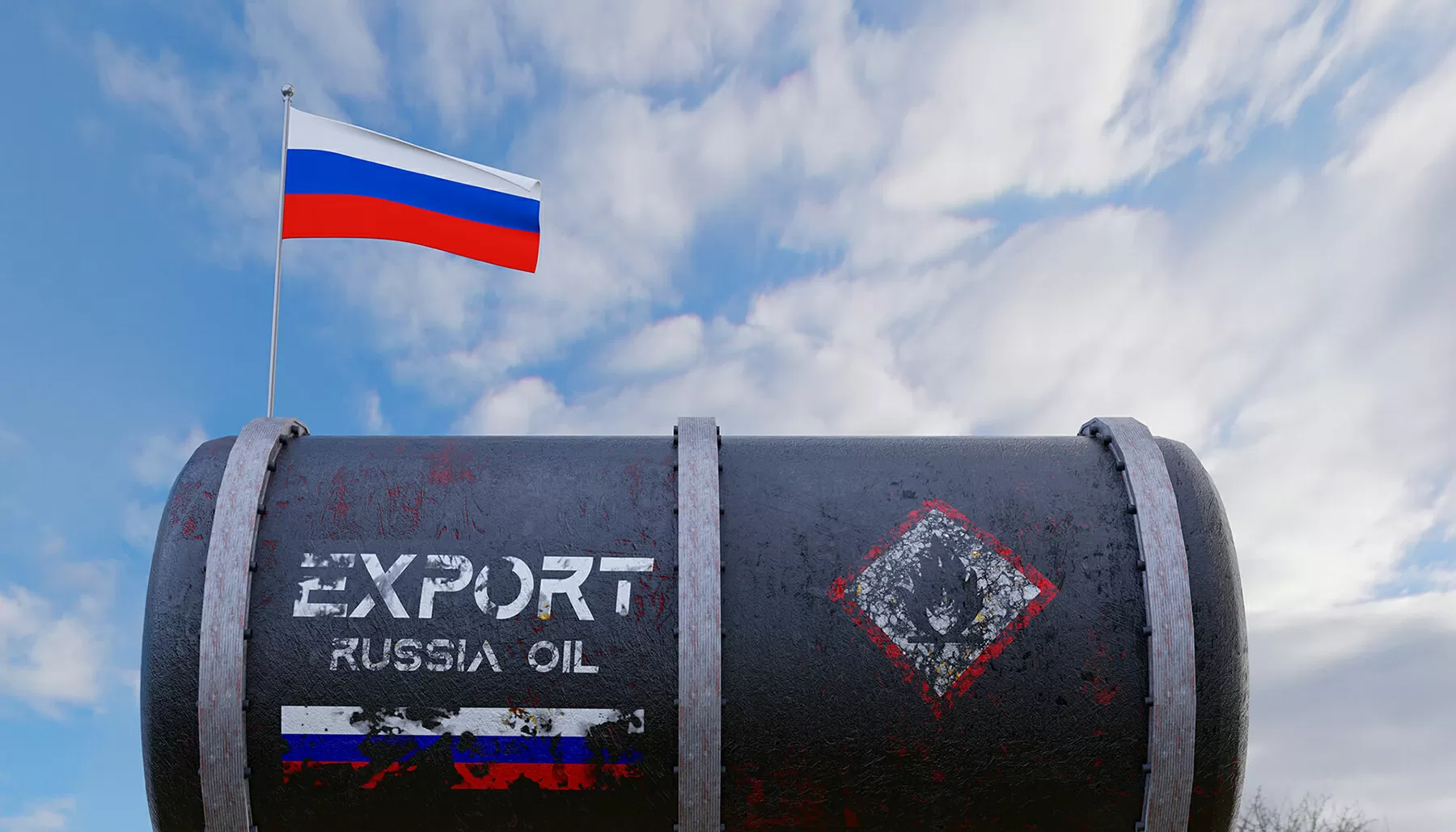

According to a State Department spokesperson on Monday, Pakistan could benefit from the US decision to “keep Russian oil available” in the market for low- and middle-income nations.
The spokesperson emphasized that this loosening should not be interpreted as a move to loosen the sanctions the US has placed on Russia as a result of its invasion of Ukraine in February of this year, but he was also quick to note that “other countries will have to make their own decisions based on their own circumstances in terms of energy imports.”
Earlier, it was claimed that the US had given Pakistan permission to “negotiate a short-term cut rate deal for Russian crude oil,” but the specifics of this arrangement and the US government’s confirmation of it were unclear.
The State Department official told Dawn on Monday that although “the United States was able to restrict oil, liquefied natural gas (LNG), and coal imports from Russia given our position as a robust energy producer,” Washington was aware that all other nations could not afford to do so.
While the US has prohibited energy imports from Russia, the spokeswoman pointed out that the American Treasury has provided broad licences allowing energy transactions with sanctioned firms to continue.
As the source noted, “we are looking on measures to reduce Russian revenues from the sales while maintaining Russian oil availability on global markets to purchasers in lower- and middle-income nations to assist stabilise prices currently running at nearly twice pre-pandemic levels.
The spokesman also mentioned the G7 countries’ declaration on the cap on the price of Russian oil on September 2. They said that this announcement “is a huge step forward in pursuing our twin aims.”
Unless they are “bought at or below a price level defined by the coalition of nations adhering to and executing the price cap,” the G& move seeks to forbid the supply of services that permit the marine transit of such oil products.
The alliance was now “going from examining a price ceiling to implementing one, extending our coalition,” the State Department official claimed.
They cited the preliminary advisory the US Treasury Department had released on September 9 on the prohibition on services related to the marine transportation of crude oil and petroleum products with origins in the Russian Federation.
The guidelines stated that this policy, which encompasses a wide range of services connected to maritime transport, will be implemented by a coalition of nations, including the G7, the EU, and the United States.
The significant exemption to the policy’s service ban is that “jurisdictions or actors that purchase seaborne Russian oil at or below a price cap to be determined by the coalition will expressly be able to get such services.”
Pakistan purchased $1.92 billion worth of crude oil in 2020–21, ranking it as the 35th largest crude oil importer in the world. Russia’s cheaper oil will undoubtedly relieve strain on Pakistan’s struggling economy.
