

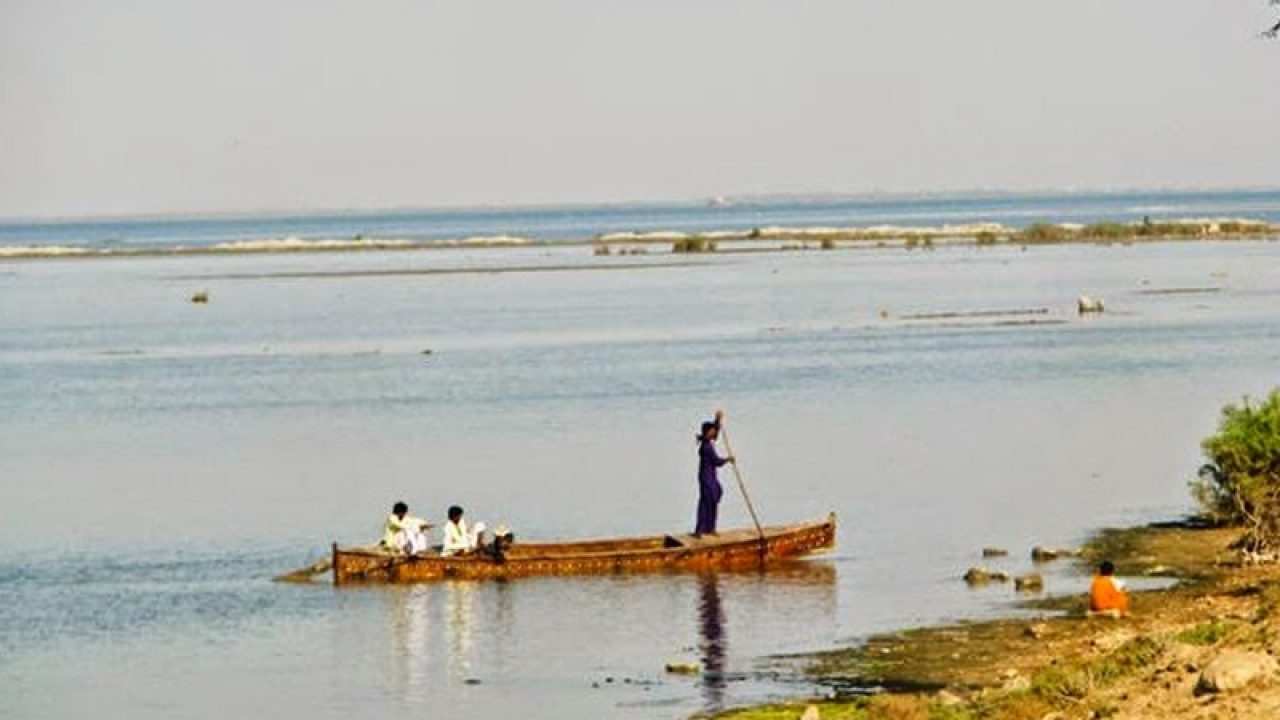

Although the water level in Manchhar Lake has dropped to RL 118, floodwater is still present in numerous union councils and is exerting pressure there.
RL 123 is indeed the lake’s capacity level, and the water has dropped to a level that is five feet below that.
Wahar, Jaffarabad, Bubak, and Channa union councils are still under water pressure.
As individuals wait for government assistance to rebuild their lives, almost 80% of homes have been destroyed by flooding.
The Jamshoro district government operates a boat service for residents who are trapped in floodwater. The government-run boats, however, stand out for being absent.
According to the district administration, 150 boats are operated in Taluka Sehwan for a cost of 5000 rupees per day, with each boat receiving 10 litres of fuel. According to sources, 150 vessels are claiming a daily bill of 7,50,000 rupees.
“Not a single district administration-run boat being seen in the area”, Flood victims Claimed.
Flood victims also protested outside the deputy commissioner’s camp office in Sehwan because they were not given any ration supplies.
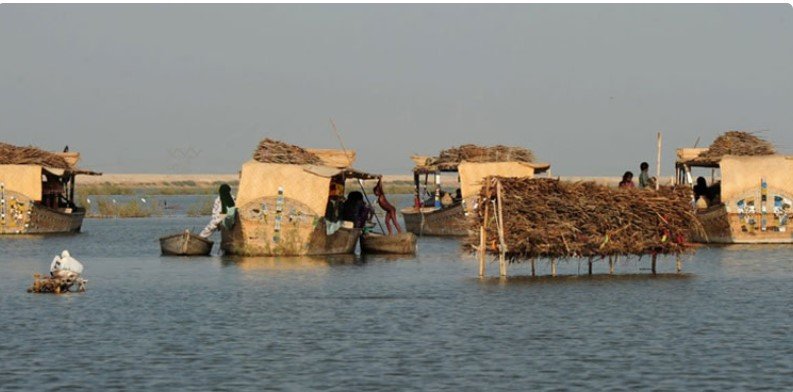
Protesters alleged that “administration officials are giving their favourite people their rations.”
Additionally, they urged Chief Minister Murad Ali Shah to take note of the fact that flood victims are unable to obtain relief supplies.
On Tuesday, the Sindh Irrigation Department reported that Manchhar Lake discharges 1.5 Lac cusecs of water every day into the Indus River.
The largest freshwater reservoir in Pakistan is Manchhar Lake, which spans the Sindh districts of Dadu and Jamshoro. The lake, which is located on the right bank of the Indus River, is the focal point of floods in Sindh’s districts.
Due to flooding in the river, the water from the Kheerthar Range flash floods inundated the area and turned it into a sizable lake, making it impossible for the water to find a way out to enter the Indus.
