

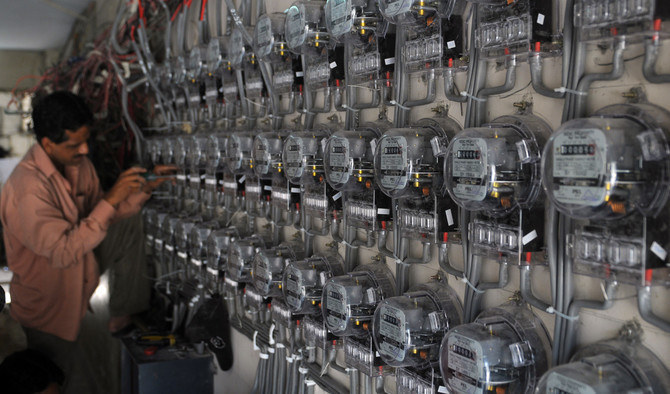

ISLAMABAD: As two leading fuel suppliers need liquidity to the tune of Rs2 trillion in three months, the federal government has started passing on to consumers the increase in electricity tariff by an average Rs13/unit in quick instalments to get bailout package from the International Monetary Fund (IMF).
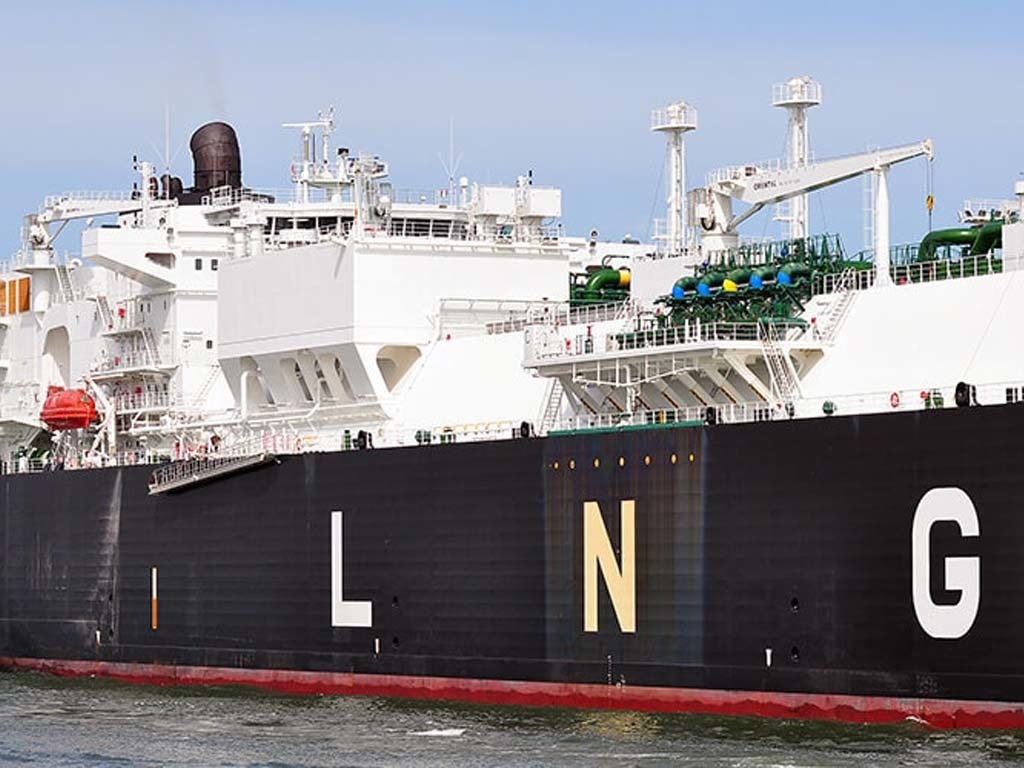
The ECC was informed that Pakistan State Oil Ltd (PSO) and Pakistan LNG Ltd (PLL) – had a gross liquidity requirement of about Rs1.97 trillion for the four months ending on Sept 30 to ensure 12 cargos of LNG a month and meet furnace oil requirements for the power sector. This included the requirement of Rs1.7 trillion of PSO for both furnace oil and LNG and Rs278bn of PLL for LNG to ensure about 800mmcfd supplies to Discos for power generation and 130mmcfd for K-Electric Ltd. The liquidity requirement surged because of record oil and LNG prices in the international market as a result of the Russian-Ukraine war and demand-supply constraints.
The meeting was informed that based on all other financial arrangements, there will still be an average shortfall of Rs52bn per month from June through September. But the additional requirement for June was Rs36bn and was urgently required, which leaves a requirement of Rs174bn for the first quarter of the next fiscal year.
Meanwhile, the power distribution companies (Discos) have already been communicated directives to withdraw with effect from June 8 a subsidy of about Rs5 per unit that was given by former premier Imran Khan from March. This will become part of the current month’s consumer bills that will also include an additional fuel cost adjustment of Rs4 per unit.
This will be followed by two equal instalments of Rs3.50 per unit each, which will become effective in July and August billing cycles, followed by the remaining Rs1 per unit adjustment later. This will clear the power-sector conditions of the IMF and help revive its programme suspended since February last year, Dawn.com reported quoting sources.
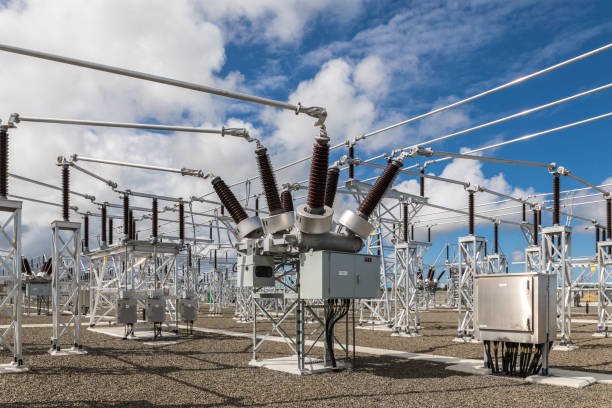
The Economic Coordination Committee (ECC) of the cabinet, which met on Monday, approved the tariff rationalisation plan for the power sector as per determinations issued by the National Electric Power Regulatory Authority (Nepra) a few days back for increasing the base national power tariff by Rs7.91 per unit with an additional fiscal impact of Rs893 billion in 2022-23.
The meeting presided over by Finance Minister Miftah Ismail was requested by the Power Division to “pass on Rs7.91 per unit to consumers from July 1”. The targeted tariff differential subsidy (TDS) or cross-subsidy and tariff rationalisation for incorporation in the uniform national tariff was estimated at Rs184bn for Discos because the government has to protect consumers of the first 200 units per month. The Power Division also requested the application of the same rate to K-Electric Ltd to “maintain uniform tariff across the country”.
As an alternative, the Power Division suggested an increase of Rs6.25 per unit from July 1 and the remaining Rs1.66 per unit from October 1. But this was to result in the TDS of Rs231bn for Discos. The ECC, however, decided in line with the requirement of the IMF programme to increase the tariff by Rs3.50 per unit from July, followed by another Rs3.50 a unit hike in August and Rs1 a unit rise on October 1 — an increase applicable to KE as well. Top sources said this plan will immediately be cleared by the federal cabinet on Tuesday.
An official statement said that on a Power Division’s summary on tariff rationalisation, the ECC “approved the annual rebasing plan with certain modifications”. The ECC also directed the Power Division to recommend a subsidy reform adjustment for unprotected consumers, which was approved in December 2021 but not implemented.
The ECC approved Rs36bn in favour of the Petroleum Division to maintain the sustainability of the LNG supply chain as well as the import of petroleum products. The allocated amount will be released to Sui Northern Gas Pipelines Ltd (SNGPL) against its pending claims in respect of the cost of RLNG, which was diverted to the domestic sector.
The ECC also approved a total of 18 supplementary grants worth Rs260.6bn. This also included Rs50bn for payments of Chinese coal power plants for the purchase of coal to meet fuel requirements in ongoing peak demand. The ECC, however, deferred another summary for the creation of a revolving fund for Chinese power producers committed under the China-Pakistan Economic Corridor, which was never set up and has resulted in the accumulation of Rs340bn in power purchase dues.
