

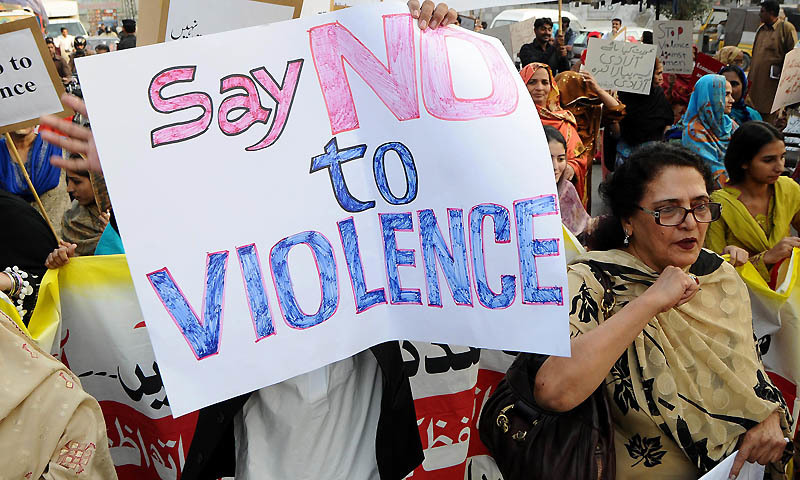

ISLAMABAD: In Pakistan, authorities have widened the scope of draconian laws to stifle dissent while in India the government was tolerating discrimination against religious minorities, especially Muslims.
Human Rights Watch has reported it in its World Report 2022, released today.
The report regrets the rise of autocracy in recent years, but points out that pro-democracy forces were challenging this tendency all over the world. The report has covered the events which happened in 2021.
In a separate chapter on Pakistan, the HRW report says “Pakistani authorities expanded their use of draconian sedition and counterterrorism laws to stifle dissent, and strictly regulated civil society groups critical of government actions or policies”.
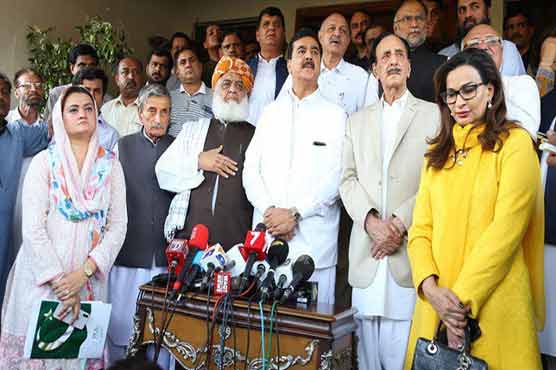
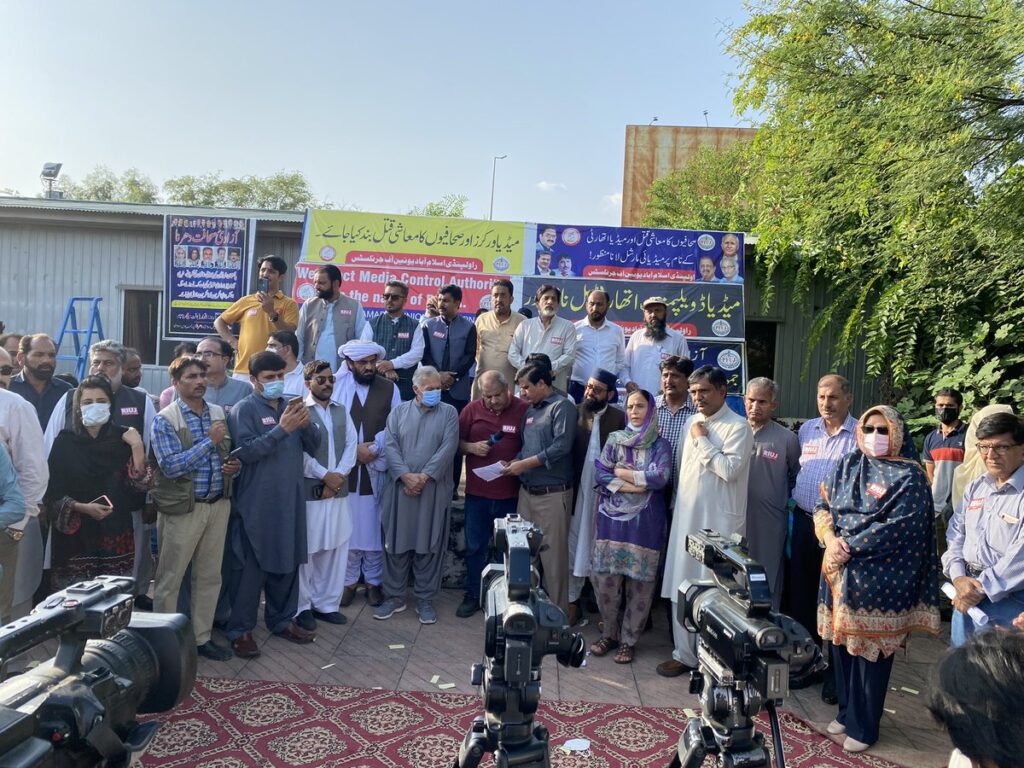
The report also noted that in 2021 Pakistani authorities cracked down on members of the media and supporters of opposition political parties to suppress their voice and struggle.
In India, “the government adopted laws and policies that discriminated against religious minorities, especially Muslims. This, coupled with vilification of Muslims by some BJP leaders and police failure to act against BJP supporters who commit violence, emboldened Hindu nationalist groups to attack Muslims and government critics with impunity,” the report adds in another chapter.
In his introductory note, HRW’s Executive Director Kenneth Roth notes that in 2021, “autocracy seems ascendent and democracy on the decline” but this has also activated democratic forces across the globe.
The report points out that the view that autocracy is on the rise, gains currency from the intensifying crackdown on opposition voices in China, Russia, Belarus, Myanmar, Turkey, Thailand, Egypt, Uganda, Sri Lanka, Bangladesh, Venezuela, and Nicaragua.
According to the report, the Pakistan government intensified its efforts to control the media and curtail dissent in 2021. The authorities harassed, and detained journalists and other members of civil society for criticising government officials and policies.
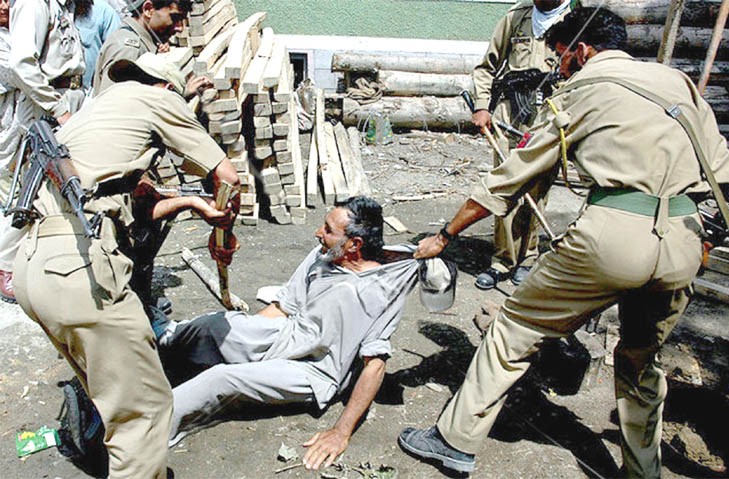
In India, allegations of torture and extrajudicial killings persisted with the National Human Rights Commission, registering 143 deaths in police custody and 104 alleged extrajudicial killings in the first nine months in 2021.
In the occupied Jammu and Kashmir, Indian authorities “once again imposed restrictions on movement and near-total communications’ blackout”, after the death of Kashmiri leader Syed Ali Shah Geelani in September. Geelani’s family was denied the right to conduct proper final rites.
In July, four UN human rights expert mandates wrote to the Indian government, raising concerns about “the repressive measures and broader pattern of systematic infringements of fundamental rights used against the local (Kashmiri) population, as well as of intimidations, searches and confiscations committed by national security agents”.
The report also notes that Pakistan’s relationship with the United States remained volatile in 2021.
