

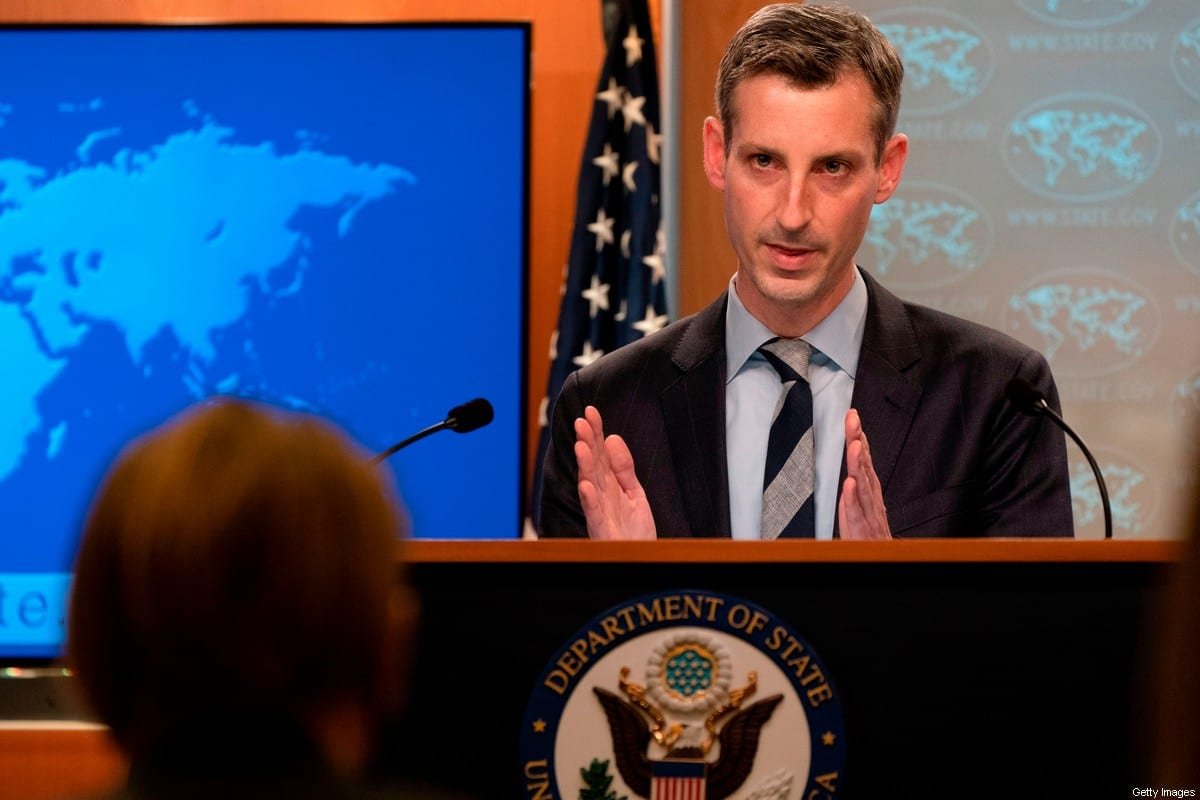

The US State Department has refused to endorse former Afghan president Ashraf Ghani’s claim that 10 to 15 thousand Pakistanis had joined the Taliban offensive on Kabul.
Instead, a senior State Department official praised Pakistan and other partners for providing “critical assistance” to US efforts to evacuate American troops and civilians from Afghanistan.
“I’m just not in a position to comment on that, to confirm those reports,” said the department’s spokesperson Ned Price when asked to comment on Mr Ghani’s claim. The US official did not respond to another query: Whether Washington still considers Mr Ghani as Afghanistan’s legitimate ruler.
“If we have anything more, we’ll provide it,” said Mr Price when asked if he would comment on another claim that the Taliban forces now in Kabul include foreign troops.
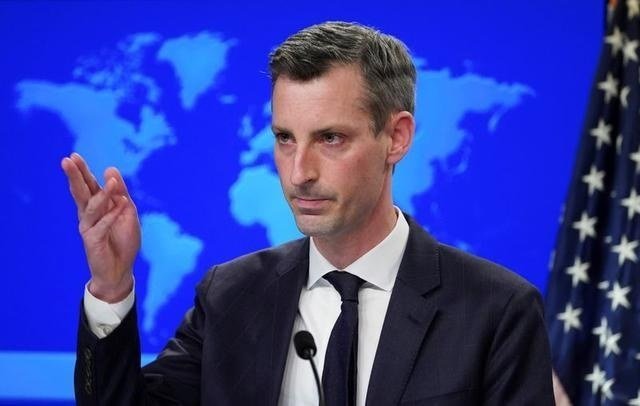
But Under Secretary of State for Political Affairs Victoria Nuland, who also addressed this Wednesday afternoon news briefing, included Pakistan among a dozen countries who, she said, provided critical support to US evacuation efforts.
“We’re enormously grateful to the huge network of countries that have provided critical assistance for our evacuation efforts,” she said while naming Pakistan, Kuwait, Qatar, Turkey and the UAE among the countries that supported the evacuation. She also named America’s key European allies – Britain, France,
Germany, Italy, Spain and others – “who have helped transit Americans and others to safety.”
“Our close coordination with our allies and partners remains critical both on evacuation and relocation, but also as we begin to scope our ongoing relationship with the Afghan people and with the Taliban,” she said.
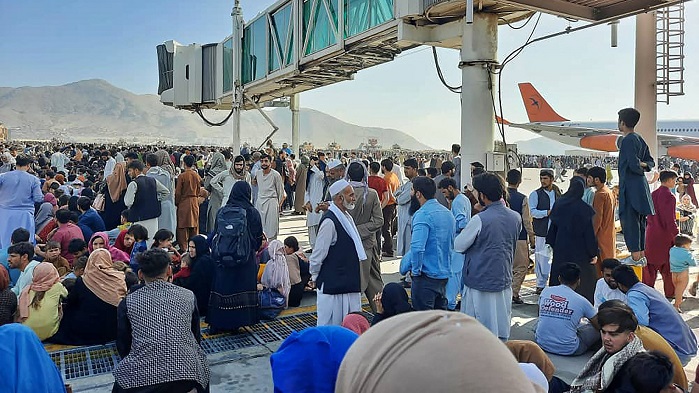
On Wednesday, the US media published excerpts from a July 23 conversation between President Joe Biden and Mr Ghani. In that telephone call, Mr. Biden urges his Afghan counterpart to empower his Defence Minister Bismillah Khan Mohammadi to combat Taliban fighters in key population centres.
Mr Ghani responds by claiming that he was “facing a full-scale invasion” by Taliban and at least 10-15,000 international fighters, predominantly Pakistanis.
Commenting on such claims, Pakistan’s US Ambassador Asad Majeed Khan said that Pakistan’s role in Afghanistan was being mischaracterised.
“Pakistan’s leadership has consistently said that we have no favorites in Afghanistan and would work with any government in Kabul that has the support of the Afghan people,” he said.
“We continued to urge both the Afghan government and the Taliban to show flexibility and engage more meaningfully in order to secure a political settlement and a comprehensive ceasefire,” Mr Kahn said. “Unfortunately, neither side was in any mood to listen.”
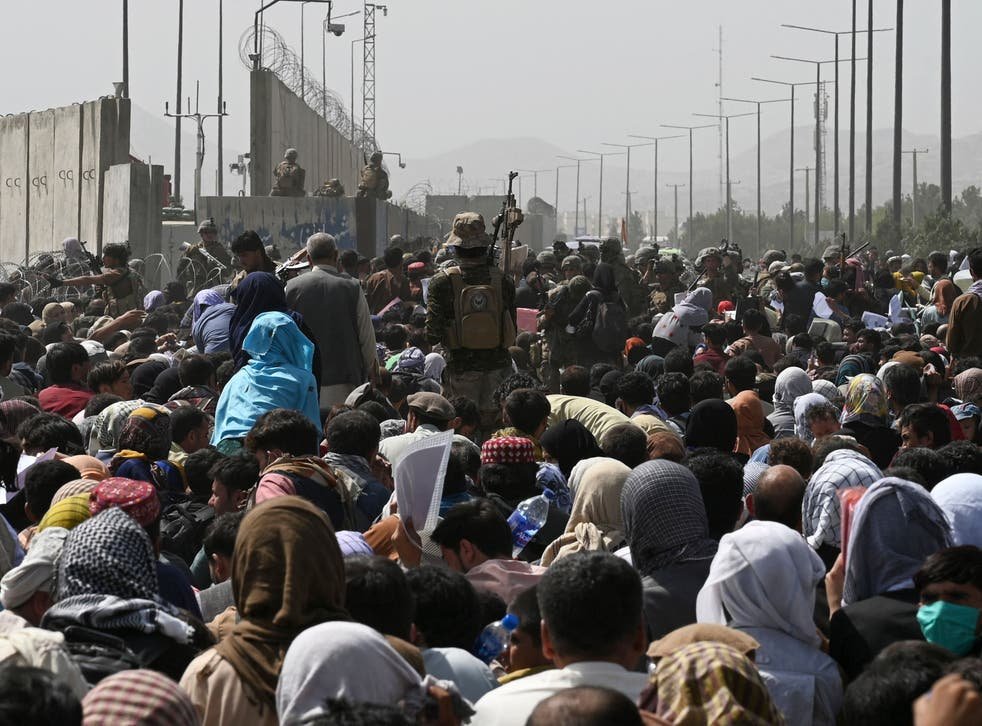
In a separate briefing, another State Department officials told journalists that “the majority” of Afghans who worked for the United States during its 20-year military campaign in Afghanistan have been left behind.
Asked how many of those who were given Special Immigrant Visas (SIV) had left Afghanistan with US forces, the official said; “I would say it’s the majority of them, just based on anecdotal information about the populations we were able to support.”
He said that US officials who worked on the ground were “haunted by the choices we had to make and by the people we were not able to help depart” in this first phase of the evacuation.
“It wasn’t pretty. It was very challenging,” the senior official said, “and it involved some, some really painful trade-offs and choices for everyone involved.”
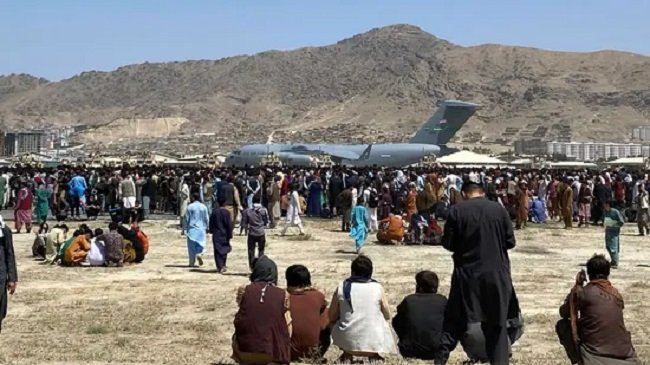
There were at least 20,000 SIV applicants in the pipeline prior to the US withdrawal, and the State Department has not provided a specific count of how many of them were able to move to safety with US forces.
At Wednesday’s briefing, Mr Price told reporters that more than 31,000 people had arrived in the US from Afghanistan between August 17 and 31, and nearly 24,000 of them were “Afghans at risk” — a broad category that includes SIVs, other visa holders, those recommended for refugee designations, and others.
