

Disputed Missile Incident Sparks Global Attention
Tensions have sharply increased after reports of a suspected missile incident near Diego Garcia, a strategic military base jointly used by the United States and the United Kingdom. Western officials suggested that Iran may have been behind the attempted strike. However, Tehran quickly denied any involvement, creating confusion and uncertainty around the घटना.
According to major US media outlets, two ballistic missiles were reportedly launched toward the base between Thursday night and early Friday. One missile is said to have failed mid-air. The second missile was reportedly intercepted by a US defence system launched from a nearby warship. Despite these claims, the United States has not officially confirmed the incident.
The timing of the alleged attack has raised concerns. It reportedly occurred just hours before UK officials gathered in London to discuss the ongoing war involving Iran. Following that meeting, Britain agreed to allow the US to use its bases for defensive operations in the region. This sequence of events has added to suspicions and heightened tensions.
Iranian officials have strongly rejected the accusations. They stated that Iran was not responsible for any missile launches targeting the base. This denial has made it difficult to verify the true source of the incident.
Strategic Importance of Diego Garcia and Military Implications
The Diego Garcia base holds major strategic value. It is located in the Indian Ocean, about 4,000 kilometers away from Iran. The base has been used in several past military operations, including conflicts in Afghanistan and Iraq. It currently hosts around 2,500 personnel, mostly from the United States.
If the missile launch claims are accurate, experts say it could indicate a significant shift in Iran’s military capabilities. Analysts have long believed that Iran’s missile range is limited to around 2,000 kilometers. A strike reaching Diego Garcia would suggest a much longer range than previously known.
This has raised alarm among Western analysts. Some believe that such capability could put parts of Europe within reach. This would change the strategic balance and increase global security concerns.
However, Iranian leaders have consistently denied having such extended-range missiles. Abbas Araghchi previously stated that Iran has deliberately limited its missile range. He said the country does not want to be seen as a threat to distant nations.
Experts note that Iran’s denials may depend on the situation. In cases where escalation risks are high, Tehran may avoid claiming responsibility. This makes it harder to determine the facts.
UK and Israel Respond as Conflict Widens
The United Kingdom reacted strongly to the reports. Foreign Secretary Yvette Cooper condemned what she described as reckless threats linked to Iran. She emphasized that the UK is focused on protecting its personnel and maintaining regional stability.
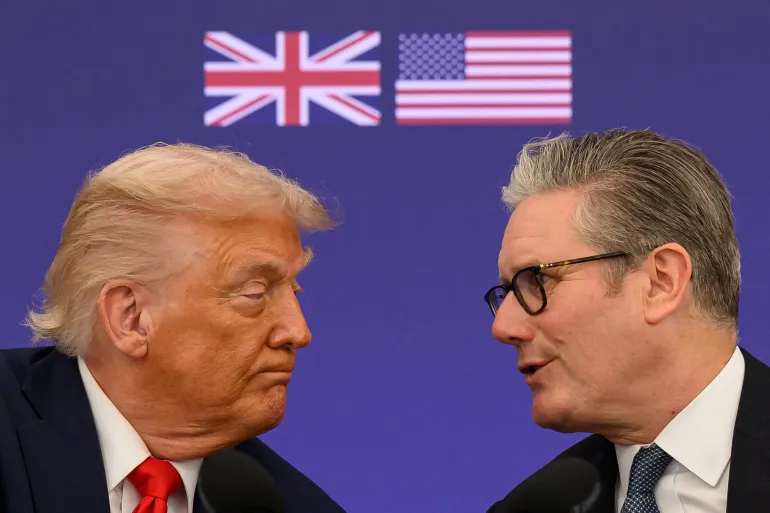
British authorities said their military actions are defensive. They stressed that they are not seeking to escalate the conflict. Prime Minister Keir Starmer also clarified that certain UK bases, including those in Cyprus, would not be used for offensive operations against Iran.
Meanwhile, Israel has taken a more aggressive stance. Israeli military chief Eyal Zamir claimed that Iran used a long-range missile in the alleged attack. He warned that such weapons could reach major European cities. His remarks have increased concerns about a broader regional and global conflict.
The situation is further complicated by tensions around the Strait of Hormuz. This vital waterway handles a large share of global oil shipments. Iran’s actions in the area have already disrupted supply routes and pushed oil prices higher.
Analysts believe the conflict is expanding beyond its original scope. New areas are becoming vulnerable. This makes it harder for global powers to control escalation. Experts warn that any further incidents could trigger a wider war.
The current situation remains highly uncertain. Conflicting reports and rising tensions continue to dominate the narrative. As global powers monitor developments, the risk of further escalation remains a major concern.

