
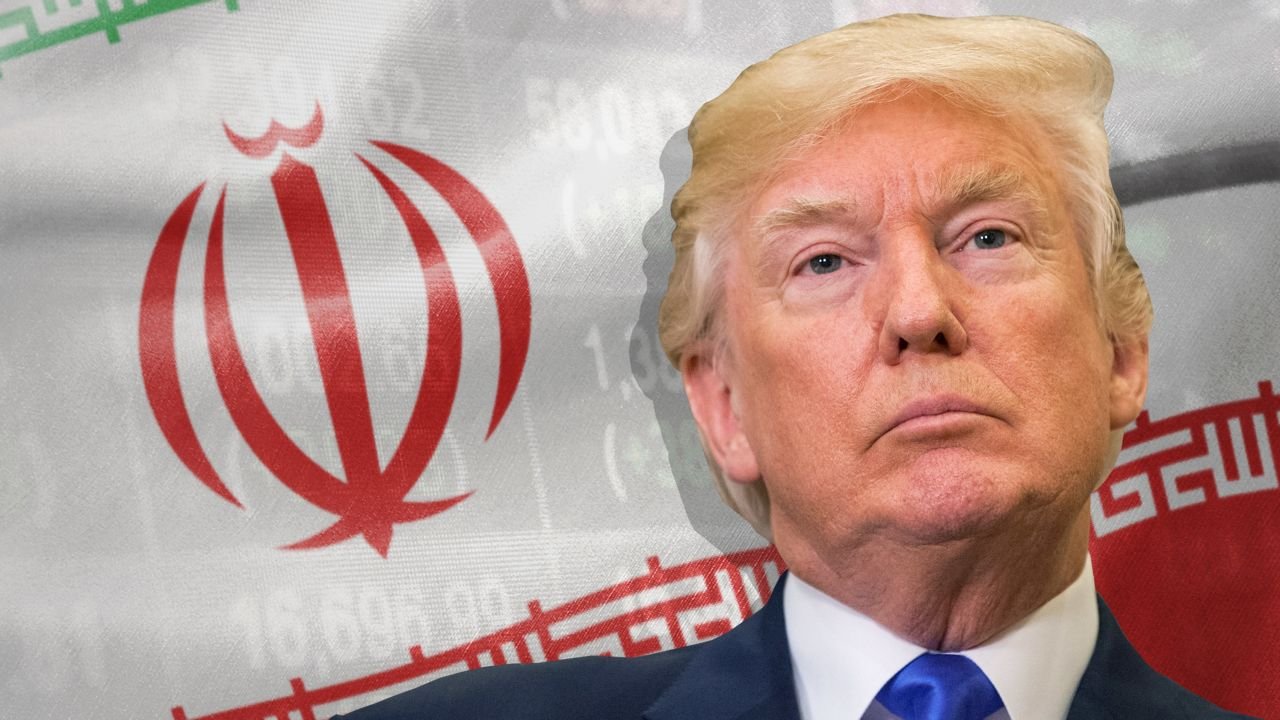

Conflicting Statements Raise Questions Over War Direction
As the conflict involving Iran enters its fourth week, messaging from Donald Trump has created confusion. His administration has issued mixed signals about whether the war is ending or expanding. This has raised serious questions about the overall US strategy.
At one point, Donald Trump said military operations were “winding down.” He suggested that objectives had nearly been achieved. However, shortly after, he issued a strong warning to Iran. He threatened to strike and “obliterate” Iranian power plants if the Strait of Hormuz was not reopened within 48 hours.
These contradictory statements have left analysts uncertain. It is unclear whether the US is preparing to exit the conflict or escalate further. The lack of a clear direction has added to global concerns.
Meanwhile, the conflict itself has intensified. Iran has continued retaliatory strikes despite heavy US and Israeli attacks. The situation has expanded across the Middle East. This has made the crisis more complex and difficult to control.
Rising Pressure from Energy Crisis and Global Risks
Iran has managed to disrupt the Strait of Hormuz. This key waterway handles a large share of global oil and gas shipments. The disruption has pushed oil prices higher. Experts warn that this could trigger a global economic slowdown.
The pressure on Donald Trump has increased due to rising energy costs. In response, the US has allowed the sale of sanctioned Russian oil. This move aims to stabilize global energy markets.
At the same time, Washington has asked allies to help secure the Strait of Hormuz. However, these efforts have not been fully successful. Iran continues to maintain influence over the region.
Despite claims from US and Israeli leaders, Iran’s military capabilities remain active. Tehran has launched missiles and drones targeting regional locations. This shows that the conflict is far from over.
The US has also increased its military presence. Additional warships and thousands of troops have been deployed. Around 50,000 personnel are now involved in operations related to the conflict.
Analysts Highlight Lack of Clear US War Goals
Experts believe the current situation reflects deeper strategic issues. Many say the war began without clearly defined objectives. Analysts argue that Washington underestimated Iran’s response.
Benjamin Netanyahu has long supported strong action against Iran. Some experts suggest US decisions were influenced by Israeli priorities. This has added complexity to the conflict.
Officials like Pete Hegseth and Marco Rubio have also given differing explanations. Some described the war as defensive. Others framed it as a pre-emptive move. These differences have fueled debate in Washington.
Even intelligence assessments have created confusion. Reports suggested Iran was not close to developing nuclear weapons. This contradicts earlier claims used to justify the strikes.
Analysts say the shifting narrative shows a reactive approach. Some believe the US is keeping options open for a possible exit. Others warn that continued escalation could lead to a wider regional war.
The future of the conflict remains uncertain. The lack of a consistent strategy makes predictions difficult. For now, the world is watching closely as tensions continue to rise.

