
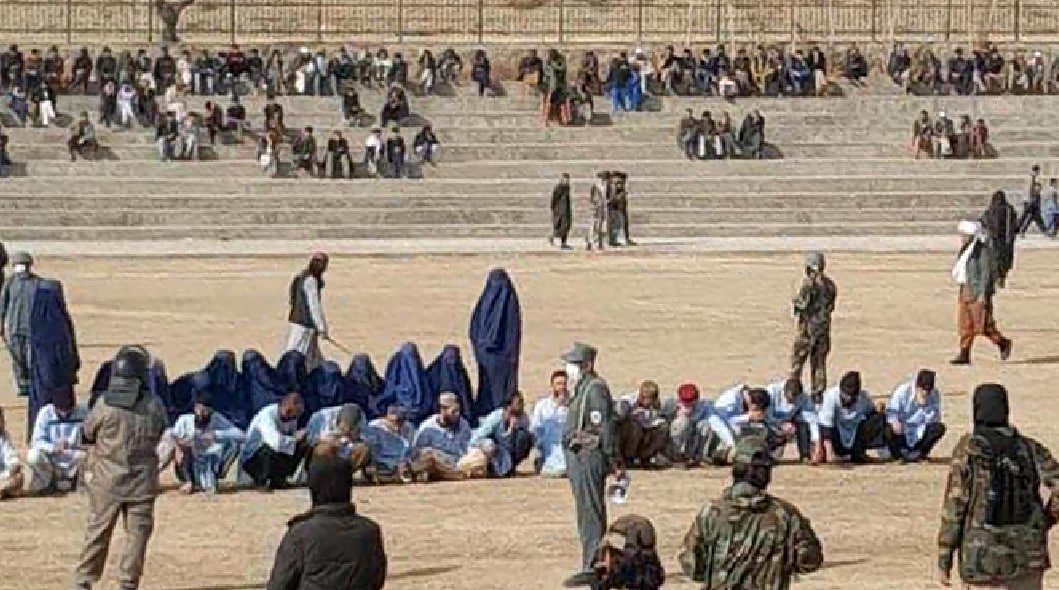

Sharp Rise in Floggings and Executions Reported
Authorities under the Taliban have carried out a large number of public punishments over the past year. Official judiciary statements revealed that at least 1,186 people were publicly flogged between March 2025 and March 2026. In addition, six public executions were recorded during the same period.
These punishments took place across multiple regions. Major cities like Kabul, Herat, and Kandahar reported several cases. Remote provinces such as Badakhshan, Ghor, and Helmand were also affected.
Most punishments were carried out in public spaces. Officials said this was meant to act as a deterrent. Reports also showed that nearly 100 women were flogged within an eight-month period. This has raised additional concerns among observers.
Human Rights Concerns Intensify Globally
Human rights experts have strongly criticized these actions. Analysts say the increase in public punishments reflects a strict enforcement approach. Abdul Ahad Farzam said such measures create fear in society. He warned that they violate basic human rights standards.
Experts have also questioned the fairness of the legal process. Concerns about due process and transparency remain high. Many believe that accused individuals may not receive proper legal defense.
International organizations have expressed alarm over these developments. Critics argue that such punishments damage Afghanistan’s global standing. They also warn that continued practices could deepen the country’s isolation.
Public Executions and New Penal Code Raise Alarm
The reported executions were carried out under the principle of qisas. This is a form of retributive justice. In one case in Khost Province, a man was executed in a sports stadium. Thousands of people were present, including children.
Other executions were reported in Badghis, Farah, and Nimroz. These events were also conducted in public settings. Such actions have drawn strong reactions from rights groups.
During the same period, the Taliban introduced a new penal code. Critics say it lacks legal protections. The code has been described as strict and controversial.
Authorities have also increased punishments for dissent. People criticizing the government may face flogging or prison. This has raised concerns about freedom of expression.
The Taliban maintain that these measures follow Islamic law. However, rights groups argue that they harm fundamental freedoms. The situation continues to draw global attention and criticism.

