
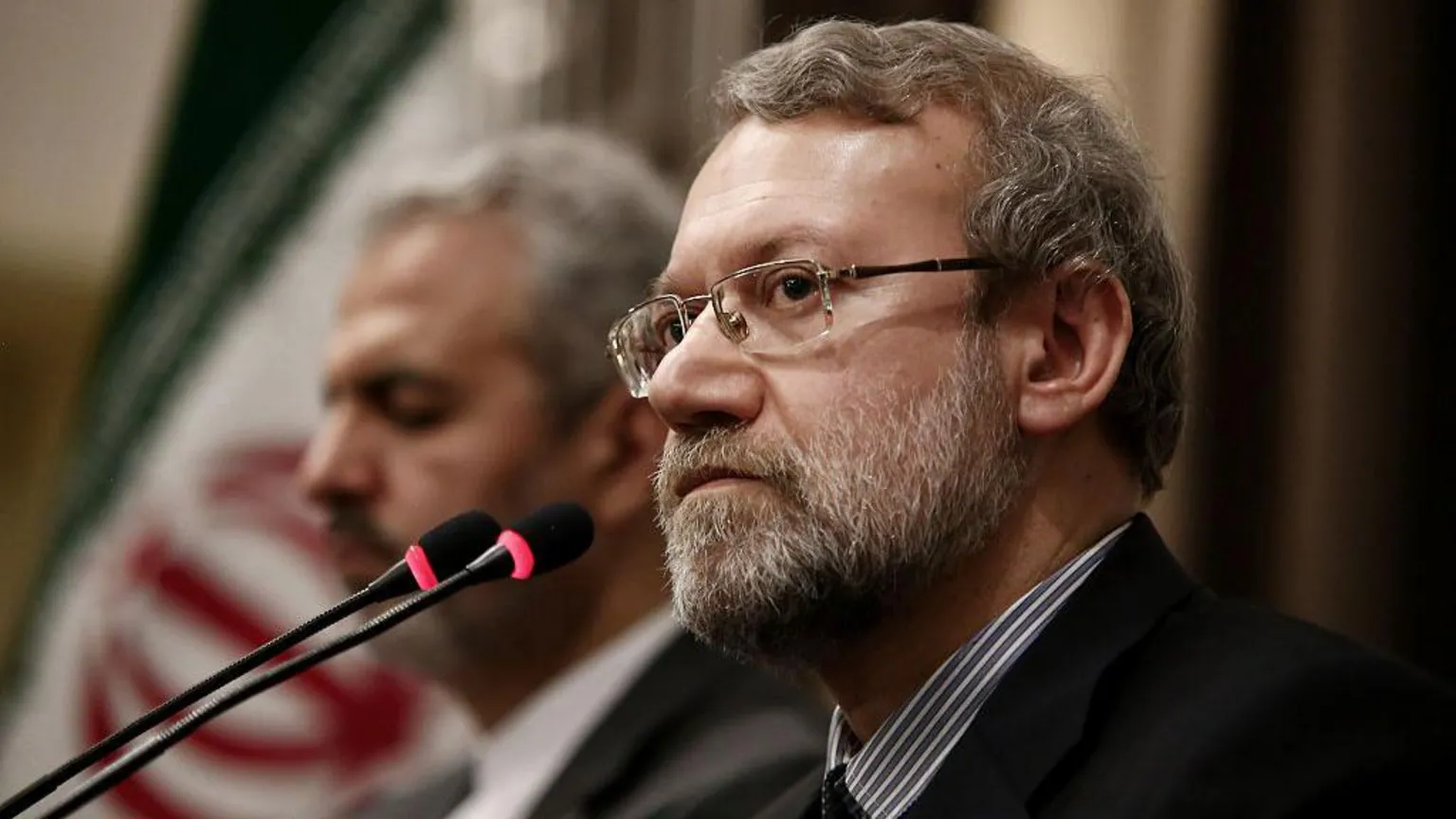

Loss of key strategist disrupts wartime decision-making
London: The Israeli air strike that killed Iran’s senior security official Ali Larijani has removed one of the country’s most influential policymakers at a critical moment. Although not a military commander, Larijani played a central role in shaping Iran’s strategic direction.
As secretary of the Supreme National Security Council, he directly influenced decisions on war, diplomacy, and national security. Moreover, he managed Iran’s complex confrontation with the United States and Israel, making his role pivotal during escalating tensions.
Following the killing of Supreme Leader Ali Khamenei in February, Larijani adopted a defiant stance, signaling readiness for a prolonged conflict. However, his death now forms part of a broader pattern of targeted killings of senior Iranian officials, indicating a sustained effort to weaken Tehran’s leadership structure.Despite his hardline views, Larijani maintained a pragmatic approach, combining ideological loyalty with calculated policymaking. He also contributed to diplomatic initiatives, including cooperation agreements with China, reflecting his strategic versatility.
At the time of his death, Larijani handled three major crises: the ongoing war, rising domestic unrest, and Iran’s nuclear programme alongside stalled negotiations with Washington. Consequently, his removal leaves these challenges unresolved and shifts responsibility to an uncertain successor.
Meanwhile, analysts suggest that power may increasingly shift toward military leadership. Statements from Iranian officials indicate that armed forces could gain broader authority if civilian leadership weakens. This shift may accelerate decision-making but reduce coordination.
In the short term, Iran is likely to adopt a more aggressive military posture while intensifying domestic crackdowns. Over time, however, continued losses among senior leadership could undermine the state’s ability to function effectively.

