

Retaliatory strike follows killing of senior Iranian official
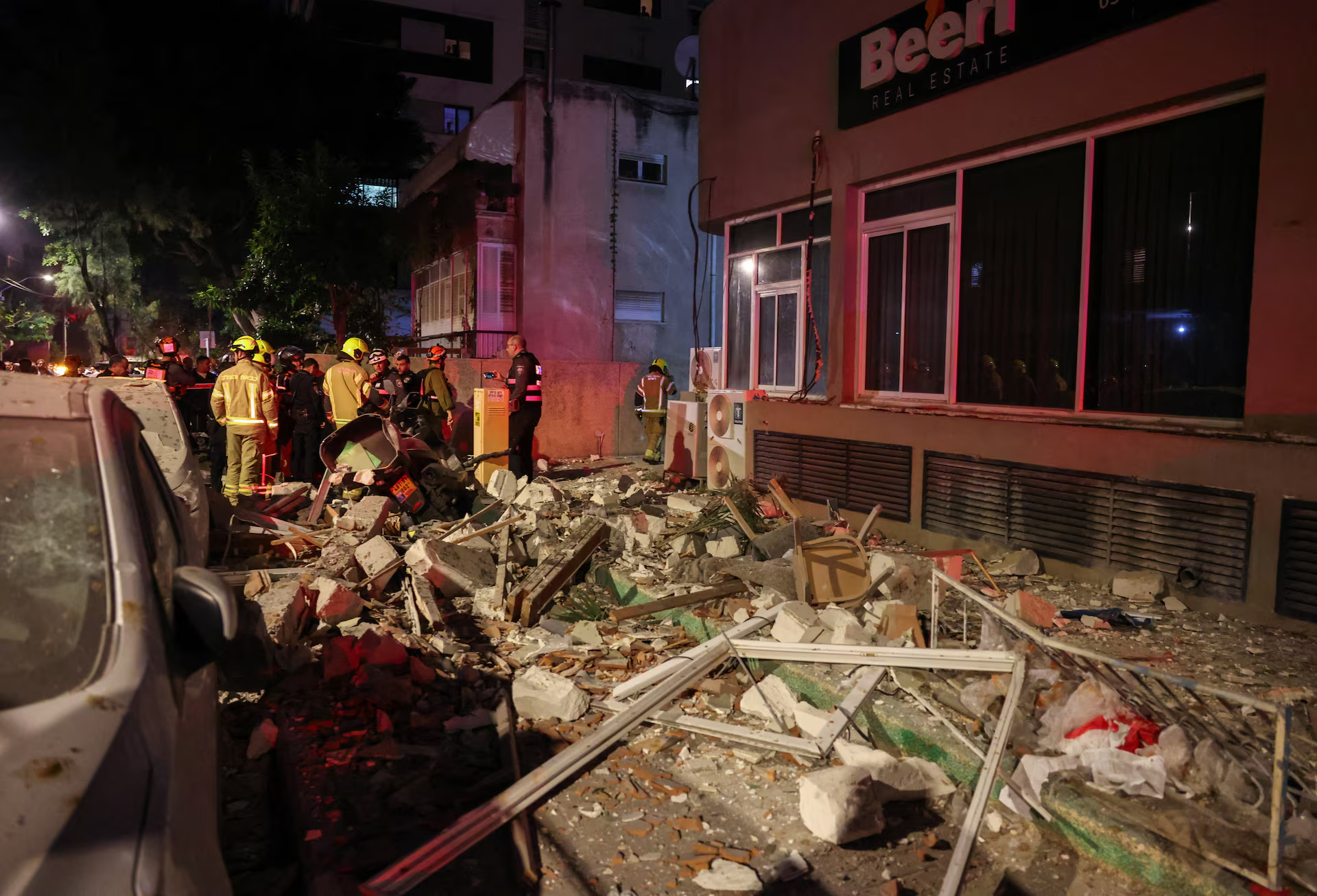
Iran launched missiles carrying cluster warheads at Tel Aviv, escalating hostilities in response to Israel’s assassination of senior security figure Ali Larijani, Iranian state media reported Wednesday. The overnight हमला killed two people and raised Israel’s war death toll to at least 14.
Moreover, Israeli officials said Iran has repeatedly deployed cluster munitions, which disperse smaller explosives mid-air, complicating interception and increasing civilian risk in densely populated areas. The strike marked a significant escalation in the ongoing conflict.
Meanwhile, in Iran, a projectile landed near the Bushehr nuclear power plant but caused no casualties or damage, according to Iranian authorities. International Atomic Energy Agency chief Rafael Grossi urged restraint, warning of the danger of a nuclear incident amid continued strikes.At the same time, the conflict has expanded across the region, with thousands reported killed in Iran and hundreds more across neighboring countries. Targeted killings of senior Iranian leadership, including Larijani and his associates, have intensified tensions further.
Additionally, Iran’s new supreme leader, Mojtaba Khamenei, rejected ceasefire proposals and insisted that the United States and Israel must first “accept defeat.” This stance has dimmed hopes for immediate de-escalation.
Consequently, the Strait of Hormuz remains largely closed, disrupting nearly a fifth of global oil trade. Oil prices have surged sharply, fueling inflation fears worldwide. Although the United States has urged allies to help secure the waterway, many have declined involvement, citing risks to their populations.
Furthermore, global aviation and shipping sectors face mounting disruption, with rising fuel costs, rerouted flights, and delayed cargo shipments adding to economic uncertainty.

