
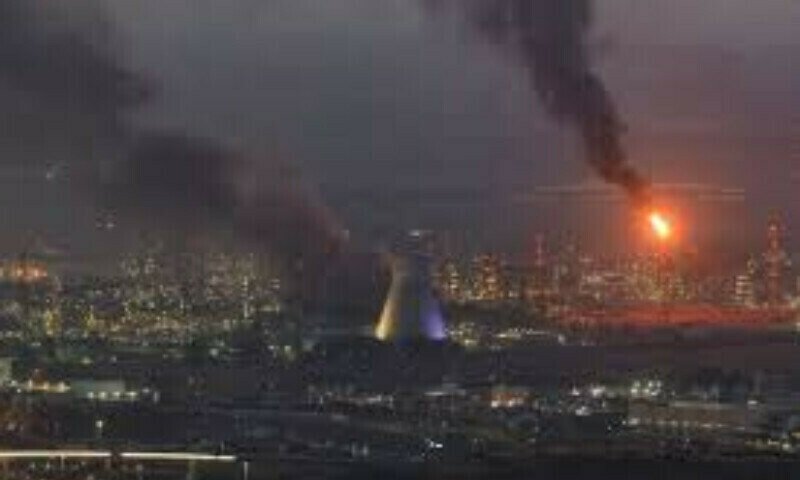

The ongoing war involving the United States, Israel, and Iran is unlikely to produce a decisive victory for any side, according to international analysts. Experts say the war is entering a dangerous phase. They warn that continued fighting could lead to a prolonged stalemate with serious global consequences.
The war began on February 28. Joint strikes by the United States and Israel targeted Iran. The attacks reportedly killed over 1,300 people. Among them was Iran’s Supreme Leader Ali Khamenei. Iran quickly responded with missile and drone attacks. These targeted Israel, US bases, and allied countries in the Gulf region.
The escalation has disrupted global energy flows. The Strait of Hormuz has become a major concern. Oil markets have reacted sharply. Economic uncertainty is rising across multiple regions.
War Enters Deadlock as Ceasefire Hopes Fade
The war has now entered its third week. Both sides are holding firm positions. There is no clear path to peace. Diplomatic efforts remain weak.
US President Donald Trump has rejected immediate ceasefire talks. He claims that Iran wants negotiations. However, he insists that current conditions are not acceptable. On the other hand, Iranian leaders deny seeking any truce. They demand a complete end to military actions first.
Iran’s Foreign Minister Abbas Araghchi dismissed reports of negotiations. He called such claims unrealistic. He stated that Iran will continue military operations. His comments were shared on X.
According to analysts at the International Crisis Group, the situation is becoming a deadlock. They warn that neither side can achieve total victory. However, all parties risk heavy losses if the war continues.
Heavy Costs Mount With No Strategic Gain
Experts believe each side can claim limited success. The United States and Israel may highlight damage to Iran’s military capabilities. These include nuclear, missile, and drone programs.
At the same time, Iran can present its own narrative. It has survived major attacks. It has also demonstrated its ability to strike back. Iran has shown it can disrupt global markets. This includes targeting energy routes and regional stability.
Ali Vaez, a senior analyst at the International Crisis Group, said the war has no clean outcome. He stressed that continuing the conflict will only increase damage. Casualties are rising daily. Infrastructure losses are growing. Regional anger is also intensifying.
Neighboring countries are increasingly frustrated. Many were not direct participants. Yet they have suffered attacks and instability. This may affect future diplomatic efforts in the region.
Global Powers Cautious as Economic Risks Rise
The conflict is now affecting global politics. Many countries are taking a cautious approach. They are trying to avoid direct confrontation with the United States. At the same time, they are concerned about rising oil prices and economic instability.
According to experts like Richard Gowan, governments are balancing their positions carefully. Some nations have criticized Iran’s actions. However, they also fear the consequences of a weakened Iran. A collapse could create further instability in the region.
Major powers like China and Russia are also acting cautiously. They are maintaining diplomatic channels with Washington. At the same time, they are avoiding deep involvement in the conflict.
Analysts warn that the war could expand further. Iran has the ability to widen the battlefield. It can increase costs for its opponents. Meanwhile, the US and Israel can continue heavy strikes. This creates a dangerous cycle with no clear resolution.
Experts agree on one key point. The longer the war continues, the greater the global impact. Economic pressure, political instability, and human suffering will keep rising without a clear end in sight.

