

Jerusalem — The Israeli military confirmed on Tuesday that it killed Basij national leader Raada Salimani and his deputy Karishi in a targeted strike. According to officials, the two operated from a temporary tent site, which they used to avoid detection instead of a fixed headquarters.
Strike signals escalation in leadership targeting
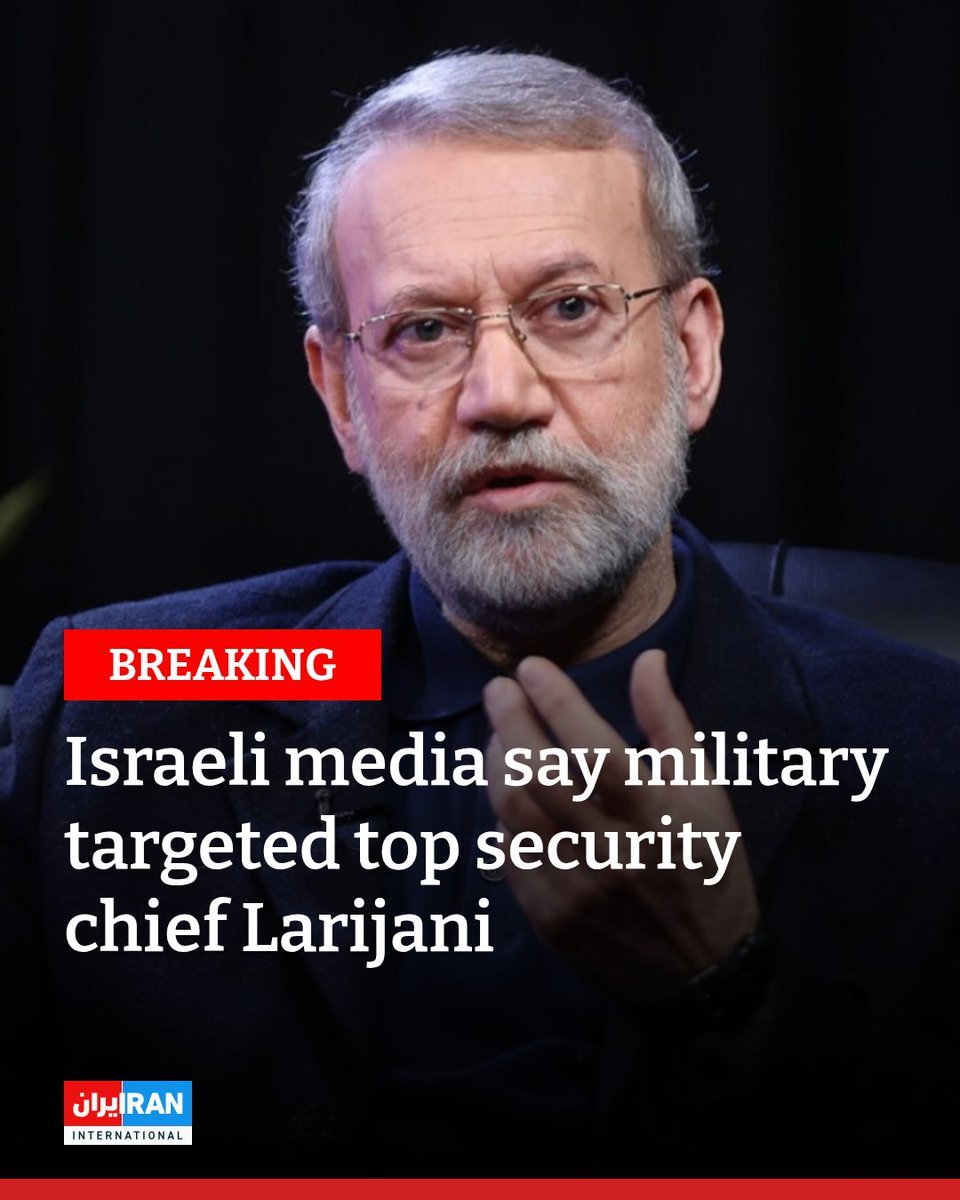
At the same time, Israeli sources revealed that forces attempted to assassinate senior Iranian official Ali Larijani. Multiple officials confirmed the operation; however, they did not clarify whether the attempt succeeded. Nevertheless, analysts view the strike as one of the most significant since the conflict began on February 28.
Furthermore, the disclosure of the operation itself has fueled speculation that Larijani may have been wounded or killed. In recent weeks, he has emerged as a central figure in Iran’s leadership, particularly after the killing of Ayatollah Ali Khamenei and several senior officials.
Shifting power dynamics within Iran
Meanwhile, uncertainty continues to surround Iran’s leadership structure. Although Mojtaba Khamenei was formally appointed supreme leader, reports suggest he remains injured and largely absent from public view. Consequently, observers believe Larijani may have assumed a leading operational role, overseeing security matters and negotiations.
In addition, Ahmad Vahidi, recently appointed head of the Islamic Revolutionary Guard Corps, has gained prominence. Given the IRGC’s influence, his position places him among the key power holders in the current system.
However, Iran’s political hierarchy remains fluid, with several newer figures occupying top roles following earlier losses. As a result, any successful strike on Larijani could significantly alter the strategic balance.
Officials and analysts continue to monitor developments closely as tensions escalate.

