
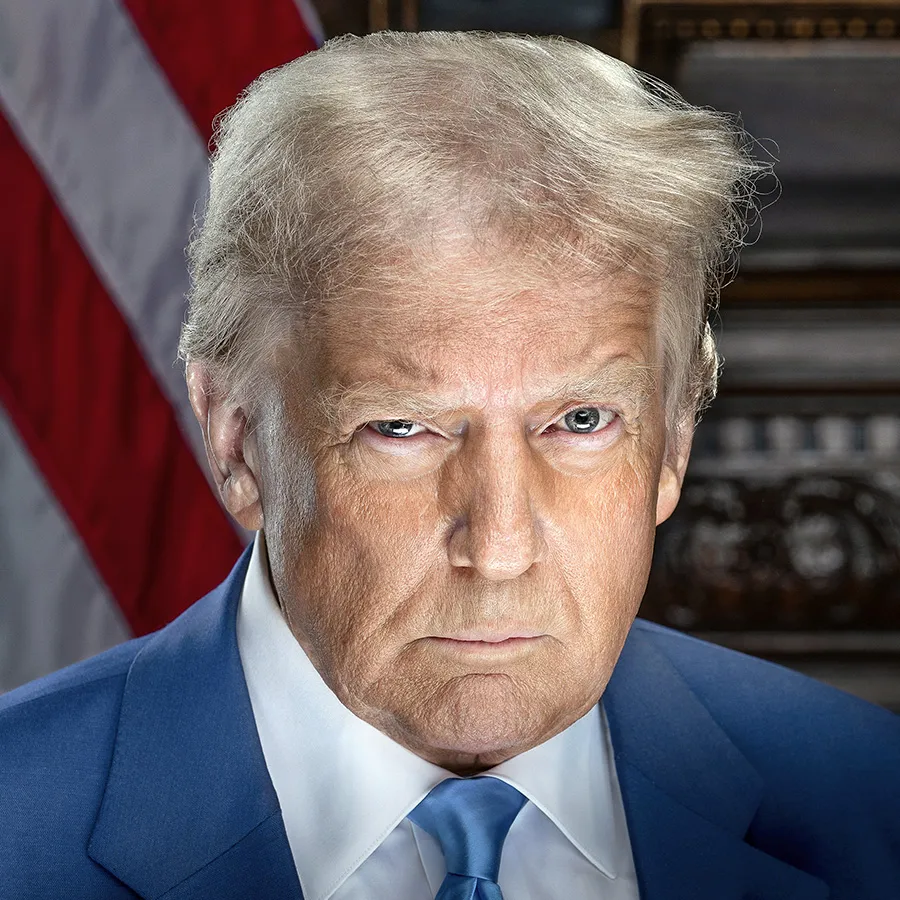

The BBC has asked a US judge to dismiss a $10 billion defamation lawsuit filed by Donald Trump. The lawsuit concerns the editing of a speech in a documentary.
The BBC’s defense is that Trump’s re-election as president proves the documentary did not damage his reputation. Therefore, the BBC asked the judge to dismiss the lawsuit since it lacks merit.
Dispute over documentary edit
Trump is suing the BBC for defamation after it allegedly spliced two different parts of a speech he gave on January 6 during the United States Capitol attack. The lawsuit claims that the BBC combined two separate parts of the speech. According to the complaint, this edit made it appear as if he encouraged his followers to storm the United States Capitol.
The documentary first aired in 2024, just before the presidential election that Trump won. In one part of the documentary, Trump is shown encouraging his followers to march towards the Capitol. The documentary then cuts to another part of the speech where he said that his followers should “fight like hell.”
Trump filed the lawsuit in the US state of Florida. He claims the documentary damaged his reputation. He also argues that it violates a Florida statute that prohibits deceptive and unfair trade practices.
BBC argues reputation was not harmed
However, the BBC argued that Trump cannot rely on a claim of reputational harm because he won the election after the documentary aired. The BBC admitted it had already apologized for the clip. However, it argued that the case should still be dismissed.
The BBC also argued that Trump cannot prove the short clip was meant to create a misleading impression. In its pleading, the BBC stated that “many of the defendants charged in connection with the Capitol attack told the courts that they believed Trump’s words to be a call to action.”
In addition, the BBC argued that courts in Florida have no jurisdiction over the issue. The broadcaster said the documentary was not available to viewers in Florida. It also said the film was intended only for viewers in the United Kingdom.
If the court does not grant the BBC’s motion to dismiss the case, a two-week trial is scheduled for February 2027.

