

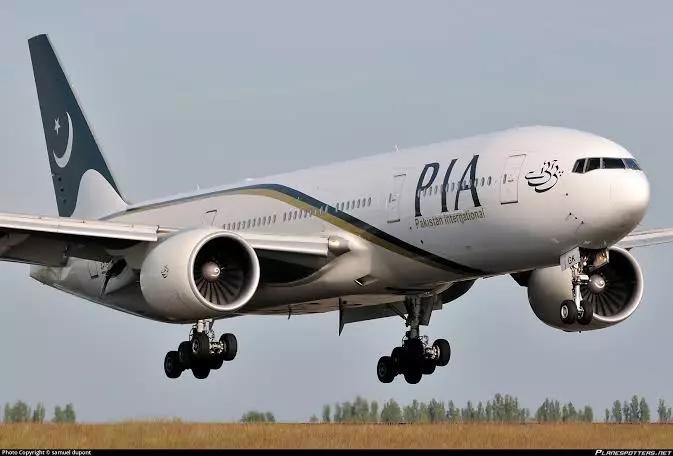

Airlines operating from Pakistan have been instructed to depart with the minimum required fuel due to supply concerns. The directive was issued by the Pakistan Airports Authority after disruptions in jet fuel availability linked to tensions in the Middle East.
The advisory was released through a fresh Notice to Airmen (NOTAM). Authorities warned that the ongoing regional conflict has started affecting the supply chain of Jet Fuel A-1 used by commercial aircraft.
Officials said the precautionary measure aims to ensure fair distribution of available fuel across the aviation sector. Airlines have also been encouraged to refuel as much as possible at foreign airports before returning to Pakistan.
The notice regarding fuel supply limitations will remain in effect until March 31.
Middle East Tensions Trigger Jet Fuel Supply Concerns
According to aviation authorities, the current supply issues are linked to the worsening conflict in the Middle East. Regional instability has disrupted key energy transport routes.
One major factor is the closure of the Strait of Hormuz, which is one of the most important global pathways for oil shipments.
The closure followed a military escalation involving the United States and Israel targeting facilities in Iran. In response, Tehran announced restrictions affecting shipping traffic through the critical waterway.
The Strait of Hormuz handles a significant portion of the world’s oil exports. Any disruption to this route can quickly impact global fuel supply chains.
Aviation experts say airlines rely heavily on stable fuel supplies. Even short disruptions can create operational challenges for airports and carriers.
Due to these uncertainties, Pakistan’s aviation authorities have taken preventive measures to ensure that flight operations continue smoothly.
Jet Fuel Prices Surge to Record Levels in Pakistan
The supply concerns come shortly after a major increase in jet fuel prices in Pakistan. Authorities recently approved one of the largest fuel price hikes in recent years.
The cost of jet fuel jumped by Rs154 per litre. Prices increased from Rs188.93 to Rs342.37 per litre.
This represents an increase of nearly 82 percent. The sharp rise has significantly increased operating costs for airlines.
Industry analysts say the higher fuel cost may eventually impact airfares. Airlines often adjust ticket prices to manage rising operational expenses.
Fuel is one of the largest costs for commercial aviation. When prices rise sharply, airlines must carefully manage fuel consumption and route planning.
Temporary Airspace Restrictions at Islamabad Airport
In a separate aviation notice, the Pakistan Airports Authority also announced temporary airspace restrictions. These measures will affect flights operating from Islamabad International Airport on March 16.
The authority confirmed that six sectors of the Lahore Flight Information Region will be temporarily closed.
Because of this restriction, commercial flights will not be allowed to take off or land at Islamabad Airport between 8:30am and 10:30am on that day.
Air traffic controllers will manage the restricted airspace during the two-hour window.
Aircraft already flying toward Islamabad during the restricted period may have to remain in holding patterns before receiving permission to land. A holding pattern allows planes to circle safely in the air while waiting for clearance.
For this reason, pilots have been instructed to carry additional fuel reserves for safety during potential delays.
Aviation authorities have advised passengers to stay informed about possible flight schedule changes. Airlines may adjust departure or arrival times to avoid operational disruptions.
Experts say these measures are temporary but reflect the broader impact of global geopolitical tensions on aviation operations.
