

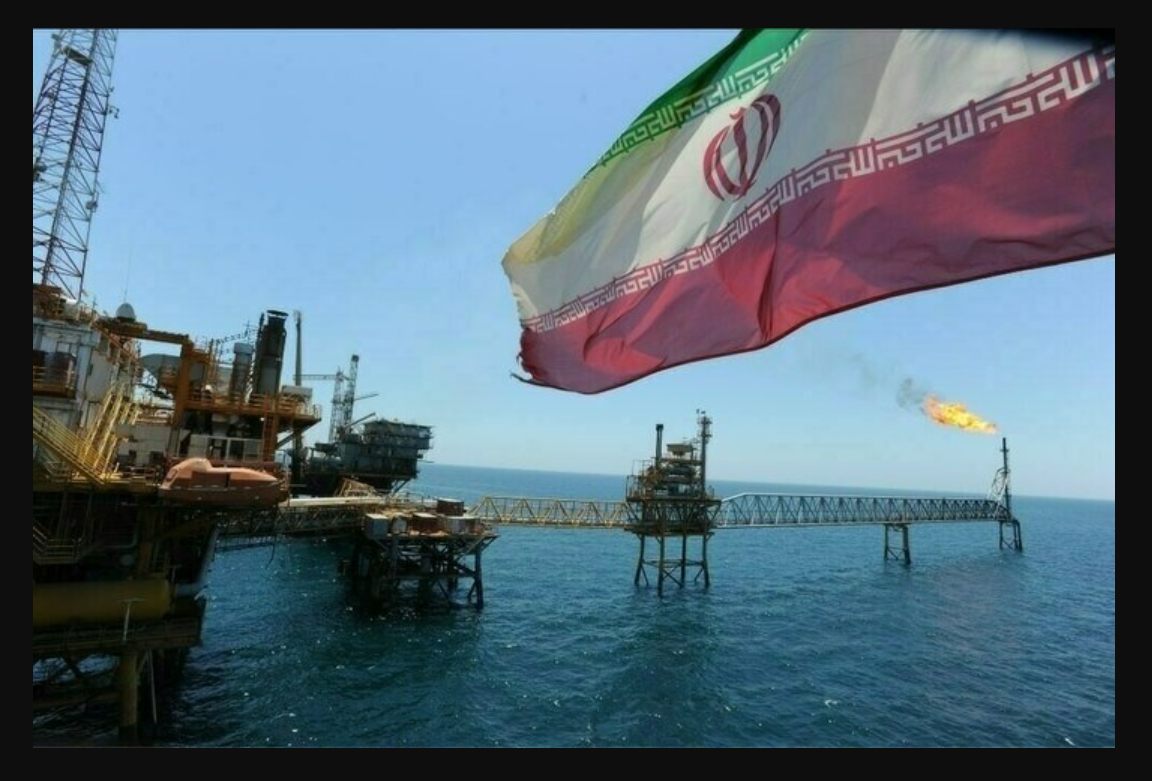

The ongoing Middle East conflict has triggered one of the largest disruptions in global oil supply in modern history. Gulf oil producers have sharply reduced output as regional tensions intensify and security risks grow.
Energy assessments indicate that crude production has fallen by nearly 10 million barrels per day. This includes roughly eight million barrels of crude oil and additional petroleum products taken offline. As a result, global markets are experiencing severe uncertainty.
At the same time, Iran has tightened pressure around the Strait of Hormuz, a critical route for global energy shipments. The waterway carries a significant share of worldwide oil trade. Consequently, supply flows have slowed dramatically, raising fears of prolonged shortages.
Iran Issues Strong Warning Over Gulf Islands
Iranian leadership has warned that any attack on its Gulf islands would trigger an unrestricted response. Officials stated that Tehran could abandon all restraint if military operations target its territory.
The warning reflects rising tensions between Iran, the United States, and Israel as the conflict expands across multiple fronts. Analysts believe such statements signal a willingness to escalate further if strategic assets come under threat.
Attacks on Ships Deepen Maritime Crisis
The maritime situation has deteriorated rapidly as several commercial vessels came under attack in Gulf waters. Iranian forces claimed responsibility for striking a Marshall Islands-flagged ship they alleged was linked to U.S. interests.
In separate incidents, tankers operating near Iraqi waters were hit, leaving one crew member dead while dozens were rescued. Another container ship near the United Arab Emirates suffered damage after being struck by a projectile, though the crew remained safe.
These attacks have increased risks for global shipping companies. Therefore, insurers and logistics firms are reassessing operations across the region.
Gulf Infrastructure and Airports Targeted
Drone activity and falling debris have affected several Gulf locations. Dubai reported minor incidents caused by intercepted aerial threats, while Kuwait’s international airport sustained damage during drone strikes. Fortunately, no casualties were reported in these events.
Meanwhile, Bahrain confirmed attacks on fuel storage facilities, prompting authorities to advise residents to remain indoors as firefighters controlled smoke and flames. Saudi Arabia also intercepted drones approaching sensitive diplomatic districts.
Oil Prices Surge Amid Supply Fears
Energy markets reacted quickly to the escalating crisis. Oil prices surged sharply, briefly approaching triple-digit levels as traders anticipated supply shortages.
Although strategic reserves were released to stabilize markets, fears surrounding shipping disruptions continued to dominate investor sentiment. Experts note that emergency stock releases may reduce volatility temporarily but cannot fully offset geopolitical risks.
Rising fuel costs have already affected airlines and transport sectors worldwide. Several carriers have adjusted routes and schedules as operational expenses increase. Additionally, inflation concerns have resurfaced as energy prices climb again.
Economic and Military Pressures Mount
The widening conflict has produced significant economic consequences. Military expenditures have surged, while global equities declined amid investor uncertainty. Businesses operating across Gulf financial centers have temporarily closed or evacuated offices due to security concerns.
International observers warn that prolonged disruption in the Strait of Hormuz could deliver a severe economic shock, particularly for energy-dependent economies in Asia and Europe.
Escalation Across Multiple Fronts
Missile exchanges between Iran and Israel continued alongside expanding regional tensions involving Lebanon and Gulf states. Air defence systems remained active as multiple aerial threats were intercepted.
Diplomatic pressure also increased, with global institutions calling for an immediate halt to attacks targeting regional infrastructure and civilian areas. However, hostilities show few signs of slowing.
Uncertain Outlook for Global Stability
The conflict’s trajectory remains unpredictable. Energy markets, shipping routes, and regional security now appear deeply interconnected. As tensions persist, governments and businesses worldwide are preparing for prolonged instability.
For now, reduced oil output and escalating military threats continue to reshape global economic expectations. The coming weeks may determine whether markets stabilize or face deeper disruption.
