

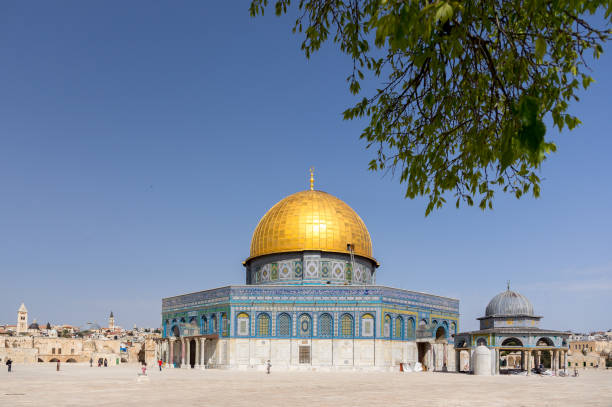

Pakistan and Seven Muslim Nations Condemn Israel’s Al-Aqsa Mosque Closure
Pakistan joined Egypt, Jordan, the United Arab Emirates, Indonesia, Turkiye, Saudi Arabia and Qatar in a strong joint statement. The foreign ministers condemned Israel’s continued closure of Al-Aqsa Mosque and the Al-Haram Al-Sharif compound to Muslim worshippers.
Restrictions Called a Clear Violation
The statement appeared on March 11, 2026 through Pakistan’s Foreign Office on X. It described the security measures around Jerusalem’s Old City as a serious breach of international law. These steps also violate humanitarian rules, the long-established status quo and the basic right to free access for prayer at holy sites.
No Sovereignty Over Holy Places
The ministers rejected the restrictions completely. They labelled them illegal and without any valid reason. They stressed that Israel holds no sovereignty over occupied East Jerusalem or its Islamic and Christian religious sites. The entire Al-Aqsa compound remains a place of worship only for Muslims. Only the Jerusalem Endowments and Al-Aqsa Mosque Affairs Department has the legal right to manage entry.
Immediate Action and International Appeal
The group demanded that Israel open the gates right away. They called for an end to all barriers in the Old City and any steps that block Muslims from reaching the mosque. At the same time they urged the international community to take a firm stand. They asked for pressure on Israel to stop repeated violations against religious sites in Jerusalem.
Al-Aqsa holds deep importance for Palestinians and often becomes a flashpoint during tensions. Under existing rules Jews may visit the compound but cannot pray there. Israel says it respects this arrangement. Many Palestinians feel the rules weaken over time.
Last month Israel tightened entry for Palestinians from the West Bank. It limited Friday prayers and allowed only 10,000 worshippers during Ramazan. Police appeared in large numbers around the mosque. Authorities also set age limits. Only men 55 and older, women 50 and older, and children up to 12 could enter from the West Bank.
