

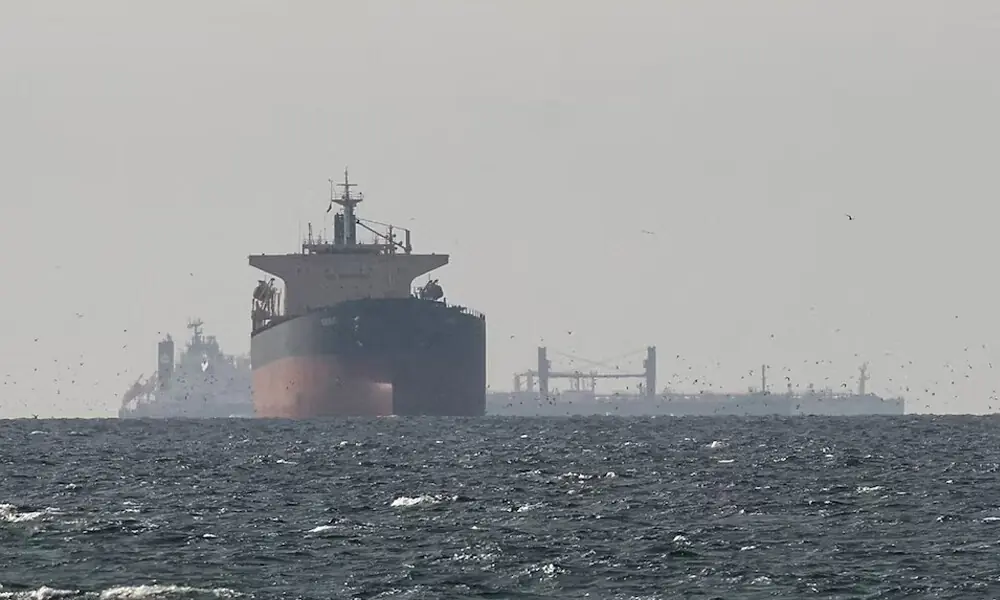

New York/London/Houston — Iranian crude exports have continued to flow through the Strait of Hormuz at a near-normal pace despite attacks on ships linked to Tehran that have severely disrupted other Gulf energy shipments, according to a Reuters review of tanker tracking data.
The data showed Iran exported about 13.7 million barrels of crude oil since the United States and Israel launched strikes on the country on February 28. Meanwhile, vessel tracking service Kpler estimated the volume even higher, placing Iranian exports during the first 11 days of March at roughly 16.5 million barrels.
These figures suggest that Iranian shipments have largely avoided the disruptions affecting other regional producers.
Steady exports despite maritime tensions
Iran’s retaliation against US and Israeli attacks has included strikes on vessels and energy infrastructure across the Middle East. Consequently, non-Iranian ship traffic through the Strait of Hormuz — a critical route for global oil trade — has slowed sharply.
However, Iranian tankers have continued moving oil shipments without reported interceptions. Analysts noted that this contrasts with previous US actions against sanctioned countries such as Venezuela, where Washington implemented naval blockades and seized vessels attempting to transport crude.
Some analysts believe stronger US enforcement against Iranian tankers could escalate tensions further. Experts warn that intercepting Iran-linked ships might encourage Tehran to disrupt shipping in the strategic waterway entirely.
Export volumes remain close to previous levels
Data from Kpler indicate Iranian exports ranged between 1.1 million and 1.5 million barrels per day between February 28 and March 11. By comparison, Iran’s average exports last year stood at around 1.69 million barrels per day.
Additionally, satellite imagery shows several very large crude carriers still loading oil at Iran’s Kharg Island export terminal, suggesting exports could increase further in coming days.
Since the conflict began, at least six crude tankers have departed Iranian waters, while several supertankers carrying millions of barrels have already reached waters near Singapore.
