


US intelligence reports indicate that Iran’s top leadership remains largely intact, and the regime faces no immediate risk of collapse. This assessment comes after nearly two weeks of heavy US and Israeli airstrikes that began on February 28, 2026.
Three sources with direct knowledge of the intelligence described the findings as consistent. They said the regime keeps strong control over the public and key institutions. A fresh report, finished in the last few days, supports this view.
IRGC holds firm grip on security and economy
The Islamic Revolutionary Guard Corps continues to dominate both security operations and large parts of the economy. Even after the death of Supreme Leader Ayatollah Ali Khamenei on the opening day of the strikes, and the loss of several senior commanders, the IRGC and interim leaders maintain tight control. The Assembly of Experts named Mojtaba Khamenei, the late supreme leader’s son, as the new supreme leader earlier this week. This step underlines continuity in the clerical-military system.
Israel sees no guaranteed regime change
Israeli officials have privately admitted in recent discussions that the current war does not ensure the government’s fall. A senior Israeli source told Reuters that toppling the regime would probably need a ground operation. Such an operation could open space for protests inside Iran. The US has not ruled out sending troops, but no such plan exists at present.
Kurdish opposition groups lack strength
US intelligence doubts that Iranian Kurdish militias, based in northern Iraq, can mount a serious challenge. These groups do not have enough weapons, fighters, or organization to fight Iranian security forces over time. Kurdish leaders recently asked Washington for arms and armoured vehicles. President Trump stated on Saturday that he will not support any such incursion by these groups into Iran.
Shifting US goals and political pressure
The Trump administration has given different reasons for the conflict. At the start, Trump called on Iranians to take over their government. Later, senior aides said regime change was never the main aim. Rising global oil prices now create political pressure in the US. Trump has said he plans to end the largest American military operation since 2003 “soon.” Ending the war cleanly looks difficult while Iran’s hardline leaders stay firmly in place.
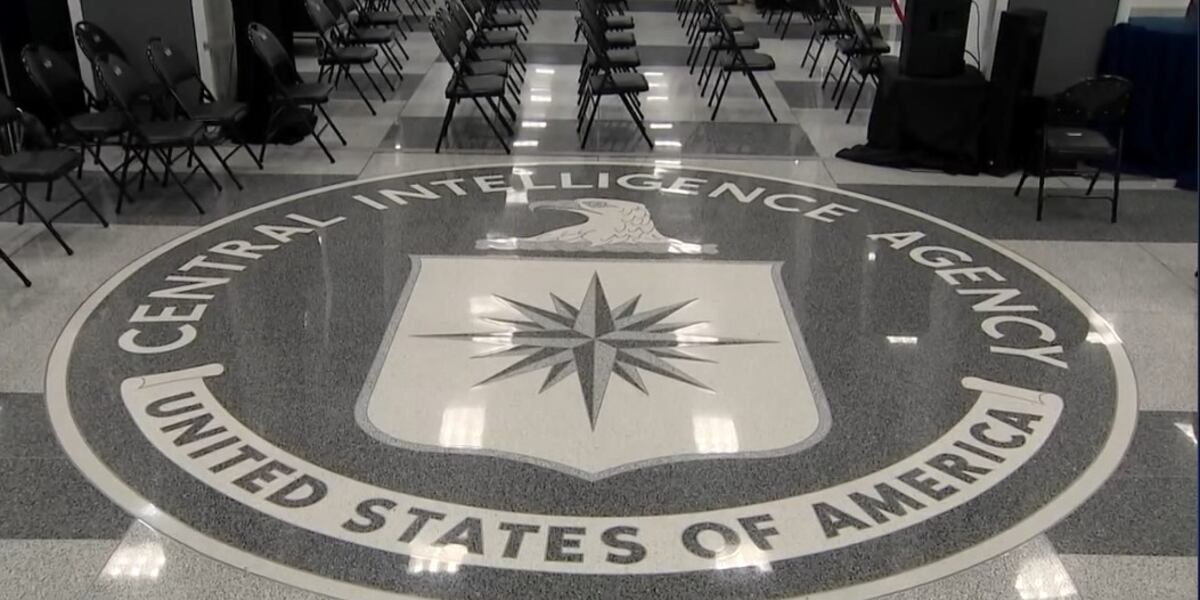
The situation inside Iran remains fluid. Internal dynamics could still change. The CIA, the Office of the Director of National Intelligence, and the White House have not commented publicly on these assessments.
This intelligence picture contrasts with earlier expectations in some circles of a quick regime breakdown. It highlights the durability of Iran’s core institutions under sustained external attack.
