

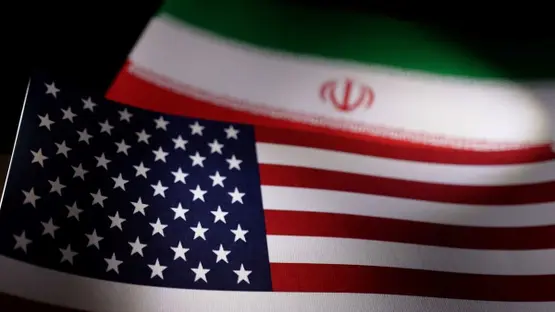

US President Donald Trump has suggested that the ongoing military campaign against Iran could end soon. His remarks signal a possible shift in Washington’s strategy following days of intense strikes carried out with Israel.
In an interview with Axios, Trump said the operation has already achieved more than expected. He claimed that most major Iranian military targets have been destroyed.
The war began on February 28 with joint US-Israeli airstrikes. The attacks reportedly killed several senior Iranian officials, including Supreme Leader Ali Khamenei.
Trump told reporters that the campaign has progressed faster than the original timeline. According to him, the military has already inflicted extensive damage on Iran’s capabilities.
He added that the war could end whenever Washington decides the objectives have been achieved.
Trump Claims Iran’s Military Capabilities Severely Damaged
Speaking to US media, Donald Trump said Iran’s military infrastructure has been largely destroyed.
He stated that Iran has lost significant parts of its navy, air force, and communications systems. Trump also claimed that Iranian missile systems have been weakened.
According to the US president, drone facilities and other defense capabilities have also been targeted during the campaign.
Trump said the United States had achieved its strategic goals earlier than expected.
He described the war as “very complete” and suggested there may be little left to attack.
These comments have raised questions among analysts about whether Washington is preparing an exit strategy after declaring success.
Experts say such statements often signal a shift from active combat operations to diplomatic or political solutions.
US Urges Israel to Avoid Attacks on Energy Infrastructure
The Trump administration has also reportedly urged Israel to avoid targeting Iranian oil facilities.
According to media reports, US officials asked Israel to notify Washington before launching any strikes on energy infrastructure.
This request reflects concerns about potential retaliation from Iran.
Officials fear that attacks on energy facilities could trigger wider conflict across the Gulf region.
One major concern is the safety of oil installations and shipping routes in the Middle East.
Trump himself described attacks on Iranian oil facilities as a “doomsday option.” He said such actions would only be considered if Iran first targeted Gulf energy supplies.
Analysts believe that avoiding energy infrastructure could help prevent a major global oil crisis.
Iran Vows to Continue Fighting Despite US Statements
Despite Washington’s signals about ending the war, leaders in Iran say the conflict will continue.
Iranian officials insist that only Tehran can decide when the fighting ends.
Senior military commander Ali Abdollahi said Iran would continue the war until its enemies are defeated.
He stated that the United States and Israel cannot unilaterally decide the end of the conflict.
Meanwhile, Iran’s foreign minister Abbas Araghchi said negotiations with the United States are currently not possible.
He cited previous diplomatic experiences as the reason for Tehran’s reluctance to return to talks.
Iranian officials say they will continue defending their country as long as they consider it necessary for national security.
The contrasting positions from Washington and Tehran highlight the uncertainty surrounding the future of the conflict.
While the United States signals the possibility of an end to military operations, Iran indicates that the confrontation may continue.
Global observers are closely watching developments to see whether diplomacy or further escalation will shape the next phase of the crisis.
