


Oil-rich allies seek to avoid deeper involvement
Dubai: Despite facing waves of Iranian missiles and drones, Gulf states have largely maintained a defensive posture, seeking to prevent the US-Israeli war against Iran from expanding into their own conflict.
Countries such as Saudi Arabia, the United Arab Emirates, Qatar and Bahrain have repeatedly stated that they are not participating in military operations against Iran. Moreover, officials have stressed that their territories are not being used as launchpads for attacks.
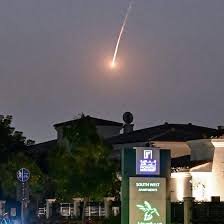
Nevertheless, the war has already spilled into the region. Iranian strikes have targeted critical infrastructure, military facilities and energy installations across the Gulf, raising security concerns for governments that had long viewed themselves as stable hubs in a volatile Middle East.
Analysts say Gulf leaders are collectively calculating that avoiding direct involvement carries fewer risks than joining the conflict. However, pressure from allies — particularly Washington — continues to grow.
Security analyst Anna Jacobs said the attacks challenge the Gulf on multiple fronts, including economic stability, social resilience, infrastructure and defense systems. For example, a recent Iranian drone strike damaged a water desalination plant in Bahrain, a facility crucial for both drinking water supplies and the national economy.
Meanwhile, Gulf officials have warned against escalation. Qatar’s Prime Minister Sheikh Mohammed bin Abdulrahman Al Thani accused Iran of dragging neighboring states into a war “that is not theirs”.
Security partnerships face growing scrutiny
At the same time, the conflict is testing the decades-old security framework linking Gulf states to the United States.
Security expert Andreas Krieg described the regional strategy as one of “restraint and resilience”. Gulf governments, which host several US military bases, appear reluctant to support an offensive campaign against Iran due to potential political and economic fallout.
Additionally, leaders worry that prolonged conflict could threaten economic diversification plans aimed at attracting global investment and tourism.
Still, analysts believe Gulf countries will continue relying on the US security umbrella while quietly reassessing the partnership after the war.
