

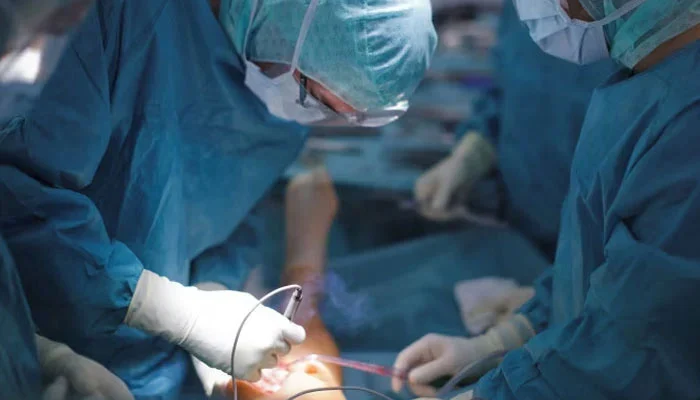

Canada has introduced new immigration pathways designed to help foreign medical doctors live and work permanently in the country.
The initiative aims to strengthen the healthcare system by attracting qualified professionals from abroad. At the same time, authorities hope to address ongoing workforce shortages.
Healthcare demand has increased across several regions. Therefore, policymakers are focusing on faster immigration solutions for trained doctors.
Under the updated policies, international doctors can now apply for permanent residence through multiple immigration programs. These include the Express Entry system and various regional and provincial pathways.
Officials believe the changes will simplify immigration procedures while ensuring medical services remain accessible nationwide.
New Opportunities Through Express Entry and Provincial Programs
A key feature of the new policy is a dedicated immigration category within the Express Entry system.
This pathway targets medical doctors who have gained Canadian work experience recently. Applicants must complete at least one year of full-time work within the last three years.
Additionally, immigration authorities have reserved 5,000 spaces under the Provincial Nominee Program for eligible doctors.
These positions are intended for candidates who receive job offers or provincial support to settle permanently. Consequently, provinces can recruit professionals according to local healthcare needs.
The government also introduced faster processing measures. Work permits for provincially nominated doctors will now be processed within 14 days.
As a result, doctors can begin working while their permanent residence applications remain under review.
Family Inclusion and Settlement Support
The updated immigration framework allows applicants to include family members in permanent residence applications.
This measure aims to support long-term settlement and encourage skilled professionals to relocate confidently.
Officials believe family inclusion improves retention rates among healthcare workers. Moreover, it helps newcomers integrate more smoothly into Canadian communities.
Licensing and Credential Requirements Remain Essential
Despite easier immigration pathways, professional standards remain unchanged.
Doctors must still complete credential assessments to verify foreign medical qualifications. In addition, they must obtain licenses from provincial or territorial regulatory authorities before practicing medicine.
These requirements ensure patient safety and maintain healthcare quality standards across Canada.
Therefore, immigration reforms focus on accessibility without compromising professional regulation.
Opportunities Still Available for Other Healthcare Professionals
While the latest changes focus on doctors, other healthcare professionals continue to have immigration opportunities.
Candidates with healthcare experience in different fields may still qualify through existing immigration programs.
Authorities will continue using the Express Entry system to invite skilled healthcare workers based on labor market needs.
This broader approach reflects Canada’s long-term strategy to strengthen its healthcare workforce through targeted immigration.
A Strategic Move to Strengthen Healthcare Capacity
The new pathways signal a strategic effort to address medical staffing challenges through skilled immigration.
By simplifying procedures and accelerating work authorization, Canada hopes to attract experienced doctors more efficiently.
At the same time, maintaining licensing requirements ensures professional standards remain intact.
As healthcare demands grow, these reforms aim to balance immigration accessibility with system reliability, ultimately supporting patients and communities nationwide.
