

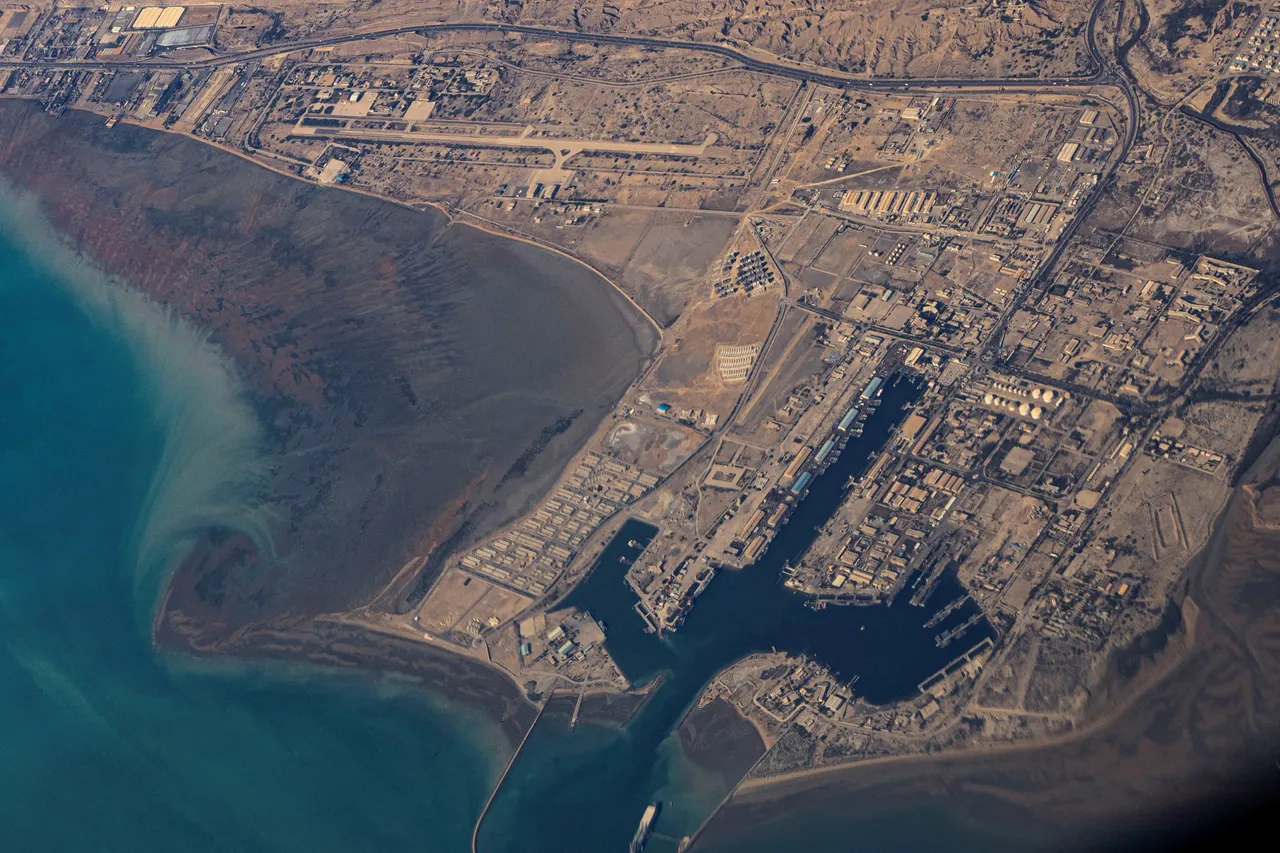

The Strait of Hormuz, a key route for global trade, remains open despite growing tensions in the Gulf region. On Friday, March 6, Iran’s Revolutionary Guard Corps (IRGC) confirmed that it will not close the strait to commercial traffic. However, officials warned that any U.S. or Israeli vessel attempting to pass could be targeted.
Iran’s Revolutionary Guard spokesman said, “We did not close the Strait of Hormuz and will not, but we will target ships belonging to the U.S. regime and the Zionist entity passing through the Strait of Hormuz.” The statement comes as concerns rise about the safety of one of the world’s most strategic oil routes.
Shipping Disruptions Affect Global Trade
Earlier in the week, no tankers passed through the strait on March 4. Normally, more than 60 vessels transit the narrow channel, carrying roughly 20% of the world’s oil. The disruption immediately affected shipping. Major companies, including Maersk and Hapag-Lloyd, suspended most shipments to Persian Gulf countries. At the same time, maritime insurers pulled war-risk coverage, raising costs and uncertainty for traders.
Industry experts say commercial ships are unlikely to resume normal operations until the region stabilizes. Gene Seroka, executive director of the Port of Los Angeles, said, “I don’t see any appetite to move cargo and put crew and assets in harm’s way.”
Geopolitical Pressures and Precautions
While Iran insists the strait remains open, the warning highlights ongoing geopolitical tensions. Shipping agencies and governments are monitoring the situation closely. Any escalation could have wide effects on global trade. For now, traffic continues cautiously, and the world is hoping for de-escalation.
