

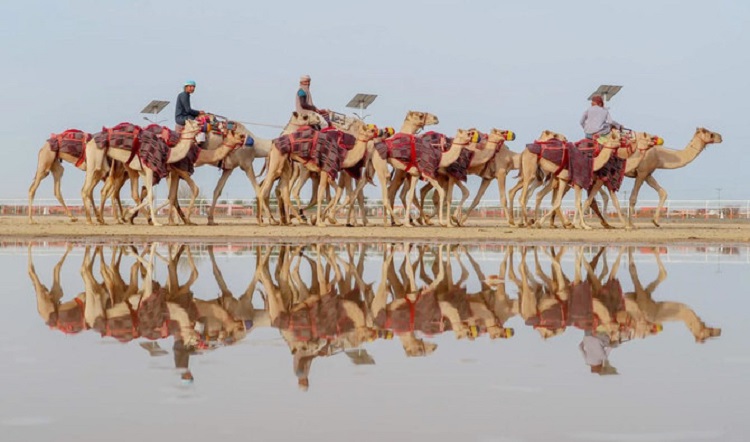

Camel beauty contests in Arab countries are now a subject of controversy, as veterinarians have uncovered the use of Botox, lip fillers, and other cosmetic procedures on competing camels. This has raised ethical and health concerns. Therefore, these contests, which once focused on careful breeding and grooming, are increasingly influenced by prize money and breeding rights.
Scandal Hits Camel Show in Oman
Last month, the Camel Beauty Show Festival 2026 in Al Musannah, Oman, disqualified 20 camels after inspections revealed signs of artificial enhancement. Veterinary experts found Botox injections, silicone implants, hump inflation, lip fillers, and even growth hormone treatments. All of these methods violate the contest rules, which traditionally encourage natural upkeep and selective breeding rather than artificial enhancements.
Experts warn that these practices can endanger the health of the animals. Fillers may cause chronic inflammation, hormone injections can disrupt reproductive systems, and Botox may even interfere with a camel’s ability to feed properly. Despite these risks, the lure of prestige and lucrative breeding opportunities continues to tempt some owners.
Rise of Artificial Enhancements
Looking back at history, camel owners worked hard on grooming, diet, and careful breeding to enhance the animals’ appearance. However, in recent years, artificial methods have replaced the old traditions. This has alarmed veterinarians and animal welfare advocates. Interestingly, this is not the first scandal of its kind. Five years ago, 43 camels were disqualified at another major festival for using cosmetic procedures.
In short, these controversies show the tension between traditional approaches and modern pressures in the camel beauty industry. Authorities and experts emphasize the importance of protecting animal welfare while preserving cultural heritage.
