

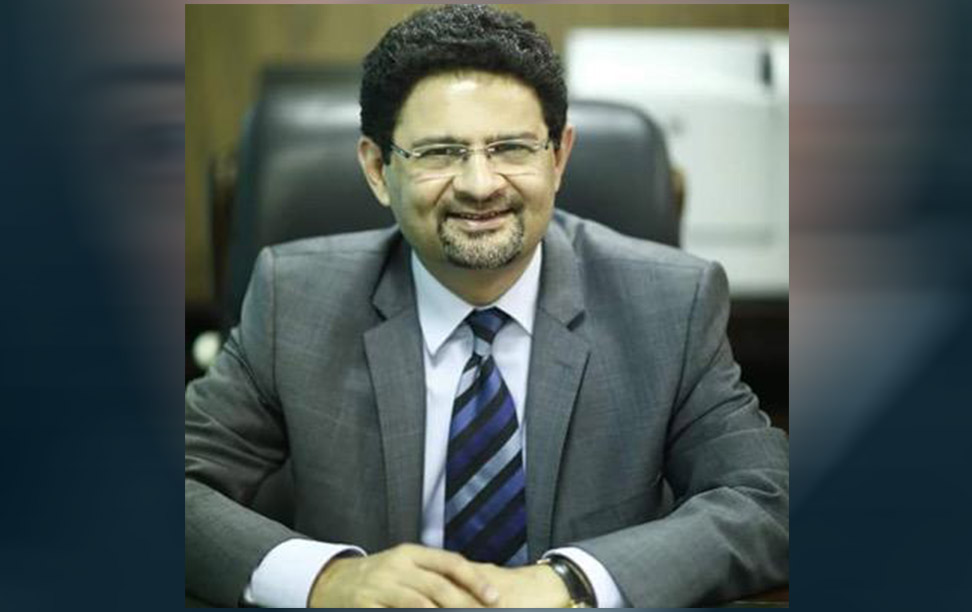

Former finance minister questions government’s fuel pricing decision
Former finance minister Miftah Ismail has strongly criticised the recent increase in petrol and diesel prices in Pakistan. He said the government’s decision mainly benefits oil companies while ordinary citizens face the burden of rising costs.
In a post on the social media platform X, Miftah said the government raised fuel prices but also allowed oil companies to earn excessive profits. According to him, the decision added Rs35 per litre extra profit for companies on petrol and Rs70 per litre on diesel.
Miftah previously served as finance minister during the earlier tenure of Prime Minister Shehbaz Sharif. He said the latest policy once again shows that large corporations are being prioritised over the general public.
He stressed that there was no strong reason to increase profits for oil companies. According to him, the move will lead to higher inflation across the country.
Fuel prices directly affect transport costs and production expenses. When petrol and diesel become expensive, the prices of many essential goods also increase.
Record fuel price hike raises concerns about inflation
The federal government recently raised petrol and diesel prices by Rs55 per litre. The increase came after international oil prices surged due to tensions and conflict in the Middle East.
After the revision on March 6, petrol prices rose to Rs321.17 per litre from Rs266.17. Diesel prices also increased to Rs335.86 per litre from Rs280.86.
Miftah described this adjustment as the highest single increase in fuel prices in Pakistan’s history. He also said it pushed petrol and diesel to their highest price levels ever recorded in the country.
Fuel prices in Pakistan are reviewed every fifteen days. The government usually calculates the new prices based on global oil rates and domestic taxes.
The calculation relies heavily on international benchmarks such as Singapore’s Platt index. The government takes the average global price during a specific period and then adds petroleum levy and other charges.
Miftah explained that the fuel being sold in early March was actually purchased earlier by oil companies at lower international prices. Because of that, he believes companies were already earning sufficient profit.
He argued that increasing prices in such a situation allowed companies to gain windfall profits without justification.
Alternative solutions ignored, says Miftah
Miftah said the government may have increased prices early to avoid a potential shortage of fuel. As international oil prices were rising, the market expected another major price increase later in March.
Due to this expectation, consumers started filling their fuel tanks earlier than usual. Petrol pumps and oil companies also began storing fuel to benefit from higher prices.
According to Miftah, the government had other options to manage the situation. One option was to temporarily increase the petroleum levy and reduce it later after March 15.
Another possible solution was stricter monitoring of petrol pumps and oil companies to stop hoarding. However, he said the government did not rely on its monitoring system.
Instead, the government increased fuel prices and allowed oil companies to gain additional profits. He said this decision benefited large businesses at the expense of consumers.
Miftah also pointed out that the government increased the petroleum levy by Rs20 per litre on petrol. At the same time, it reduced the levy by Rs20 per litre on diesel while allowing companies to earn higher profits.
He said such decisions make life harder for ordinary citizens who are already struggling with rising living costs.
The former finance minister also highlighted the need for shared economic sacrifice. He said the government often asks citizens to tighten their belts due to rising costs.
However, he questioned whether government officials are willing to make similar sacrifices. Miftah suggested reducing fuel allowances for senior bureaucrats and ministers.
He proposed that government officials should pay at least a small portion of their fuel expenses. According to him, such steps would show that the burden of economic challenges is shared equally.
Miftah concluded that policies should focus on protecting the public rather than increasing profits for large corporations.
