

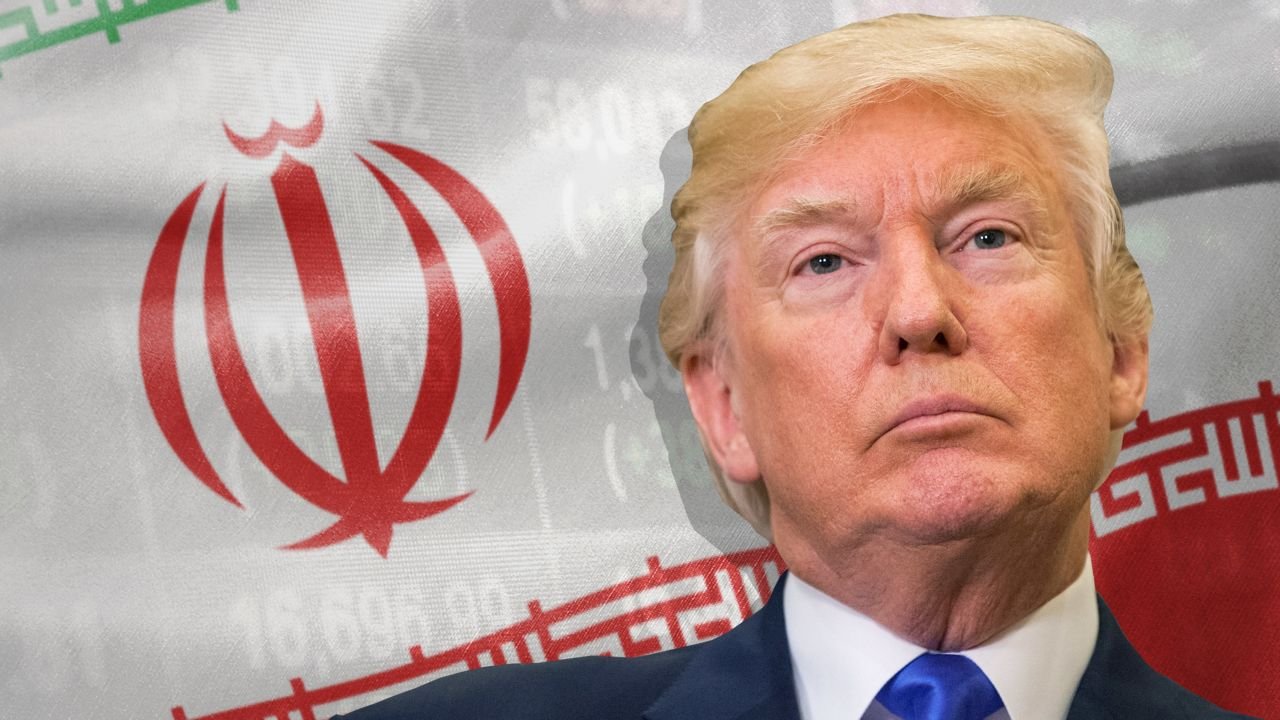

United States President Donald Trump has said he wants Washington to play a role in choosing Iran’s next supreme leader after the killing of Ali Khamenei. Trump also rejected the possibility of Khamenei’s son succeeding him, calling the idea unacceptable.
In an interview with Axios, Trump argued that the United States must be involved in the leadership transition in Iran. He said a new Iranian leader should promote stability and avoid policies that could trigger future wars.
The remarks have sparked debate about foreign influence in Iran’s political system. Iran’s leadership is traditionally chosen internally by senior clerics, making outside involvement unlikely.
Trump Rejects Mojtaba Khamenei as Successor
Trump strongly criticised Mojtaba Khamenei, the son of the late Iranian leader and a potential successor. He described him as a “lightweight” and said he would not accept him as Iran’s next supreme leader.
According to Trump, Iran needs leadership that can bring peace and stability to the region. He warned that appointing a leader who follows the same policies as the late Khamenei could lead to renewed conflict with the United States.
“If they put someone like that in, we’ll be back at war in five years,” Trump said in the interview.
Mojtaba Khamenei is widely seen as a strong candidate to replace his father. The mid-ranking cleric has close ties with Iran’s security establishment, including the Islamic Revolutionary Guard Corps.
However, Iran has not yet announced a new leader following the death of Ali Khamenei.
Iran’s Leadership Selection Process
Under Iran’s political system, the supreme leader is selected by the Assembly of Experts, a body made up of senior Shiite clerics. The council has the authority to appoint or dismiss the country’s highest religious and political authority.
This process is conducted entirely within Iran’s clerical establishment. Most members of the assembly strongly oppose American influence in Iranian politics.
Because of this structure, analysts say the United States would have little direct role in selecting the next Iranian leader.
Still, Trump’s comments suggest Washington may seek to influence political developments in Iran after the recent escalation in the region.
Comparison With Venezuela Political Shift
During the interview, Trump compared the situation in Iran to events in Venezuela. He referred to his administration’s role in political developments involving Delcy Rodríguez after the removal of former Venezuelan leader Nicolás Maduro.
Trump said cooperation with Rodríguez helped stabilize relations and advance US economic interests, particularly in the energy sector.
The president suggested a similar approach could be applied to Iran if a cooperative leader emerges.
The comments also indicate that the United States may prefer working with a new figure within Iran’s political system rather than pursuing full regime change.
Debate Over Iran’s Political Future
The killing of Ali Khamenei, who had ruled Iran since 1989, has created uncertainty about the country’s future leadership.
Khamenei succeeded revolutionary leader Ruhollah Khomeini, who led the Iranian Revolution of 1979 that established the Islamic Republic.
Some opposition figures have proposed a different path for Iran. Exiled prince Reza Pahlavi, the son of the former shah, has suggested a transitional government that would eventually draft a new constitution.
However, many Iranian clerics continue to support maintaining the current political system.
As Iran’s leadership debate continues, Trump’s remarks have added another controversial dimension to the already tense geopolitical situation.
