

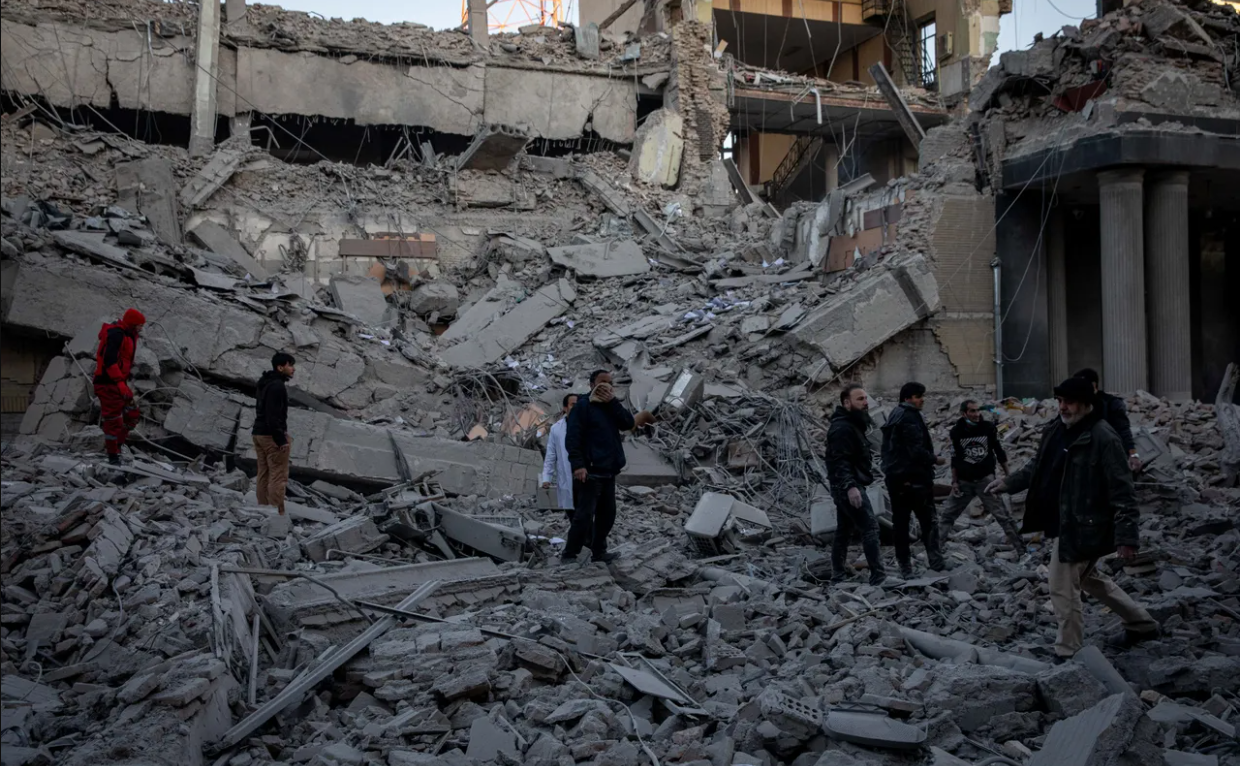

An estimated 100,000 people left Tehran during the first two days of intense military strikes, according to United Nations assessments. The departures followed large-scale attacks launched on February 28 and March 1, triggering widespread fear among civilians. Many residents rushed toward safer areas as explosions and emergency alerts spread across the Iranian capital. Families sought temporary shelter while uncertainty grew over how long the conflict might last.
Despite the sudden internal movement, officials reported no significant increase in cross-border migration so far. Border activity, including crossings toward Afghanistan, has remained stable according to available assessments. Authorities continue monitoring the situation closely as displacement patterns evolve.
Conflict Expands Beyond Initial Strikes
The war began after coordinated strikes targeted Iran, killing Supreme Leader Ali Khamenei and sharply escalating regional tensions. Soon afterward, Iran responded with missile and drone attacks aimed at Israeli and regional targets. As a result, hostilities spread across several Middle Eastern locations, raising fears of wider instability.
Fighting has affected areas linked to Lebanon, Syria, Iraq, Israel, and parts of the Persian Gulf. Hundreds of casualties have been reported across the region as the conflict widened rapidly. Among those killed were six United States military personnel during retaliatory attacks. Consequently, analysts warn the crisis risks evolving into a prolonged multi-front confrontation.
Political Debate Intensifies in Washington
The military campaign has sparked political debate inside the United States over legal authority and strategic goals. Lawmakers questioned the justification behind launching strikes without congressional authorization. A Senate vote is expected to address measures that could potentially halt ongoing military operations.
Officials have offered differing explanations regarding the purpose of the offensive. Some statements described the strikes as efforts to weaken Iran’s military and nuclear capabilities, while others framed them as necessary actions to protect American interests after Israel initiated operations. Critics argue that strategic objectives alone do not provide sufficient legal grounds for war.
Regional Escalation Raises Humanitarian Concerns
The conflict quickly expanded into Lebanon, where air strikes and ground operations targeted Hezbollah positions, displacing thousands of civilians. These developments intensified fears of broader regional instability. At the same time, Iranian missiles and drones struck United States bases across Gulf areas, further widening the confrontation.
Experts warn that civilian populations remain the most vulnerable during prolonged warfare. Displacement inside major cities may increase if military operations continue. Although borders remain calm for now, humanitarian agencies continue monitoring population movements carefully.
Uncertain Outlook as War Continues
The rapid departure of thousands from Tehran reflects growing anxiety among ordinary citizens reacting to escalating violence. People moved quickly as air strikes signaled the possibility of sustained conflict. While international observers hope for de-escalation, current developments suggest continued instability across the region.
For now, the absence of large cross-border migration offers limited reassurance. However, the situation remains fluid as military actions and political decisions shape the conflict’s next phase. The coming days will determine whether displacement remains temporary or develops into a wider humanitarian crisis.
