


Tensions in the Middle East intensified after Iran issued a strong warning regarding Israel’s Dimona nuclear facility.
A senior Iranian military official said Tehran could target the reactor if regime change efforts move forward.
The warning comes amid rising confrontation involving Iran, the United States, and Israel.
According to the official, any coordinated attempt to overthrow Iran’s government would trigger a direct military response.
Iran described the scenario as one it has already anticipated. Officials indicated that strategic plans exist for retaliation if escalation continues.
The statement signals growing fears that the conflict could expand beyond conventional military targets.
Consequently, regional security analysts now warn of broader instability across the Middle East.
Why the Dimona Reactor Matters
The Dimona facility is located in Israel’s Negev desert and serves as the country’s main nuclear research center.
It is widely associated with Israel’s undeclared nuclear program, making it strategically sensitive.
Because of its importance, threats involving the site carry significant geopolitical weight.
Any attack on such infrastructure would represent a major escalation with unpredictable consequences.
Iran’s warning therefore highlights how critical infrastructure has entered the center of military calculations.
Moreover, it reflects increasing hostility between rival regional powers.
Energy Infrastructure Also Named as Potential Target
Iranian officials also warned that energy infrastructure across the Middle East could become targets under a regime-change scenario.
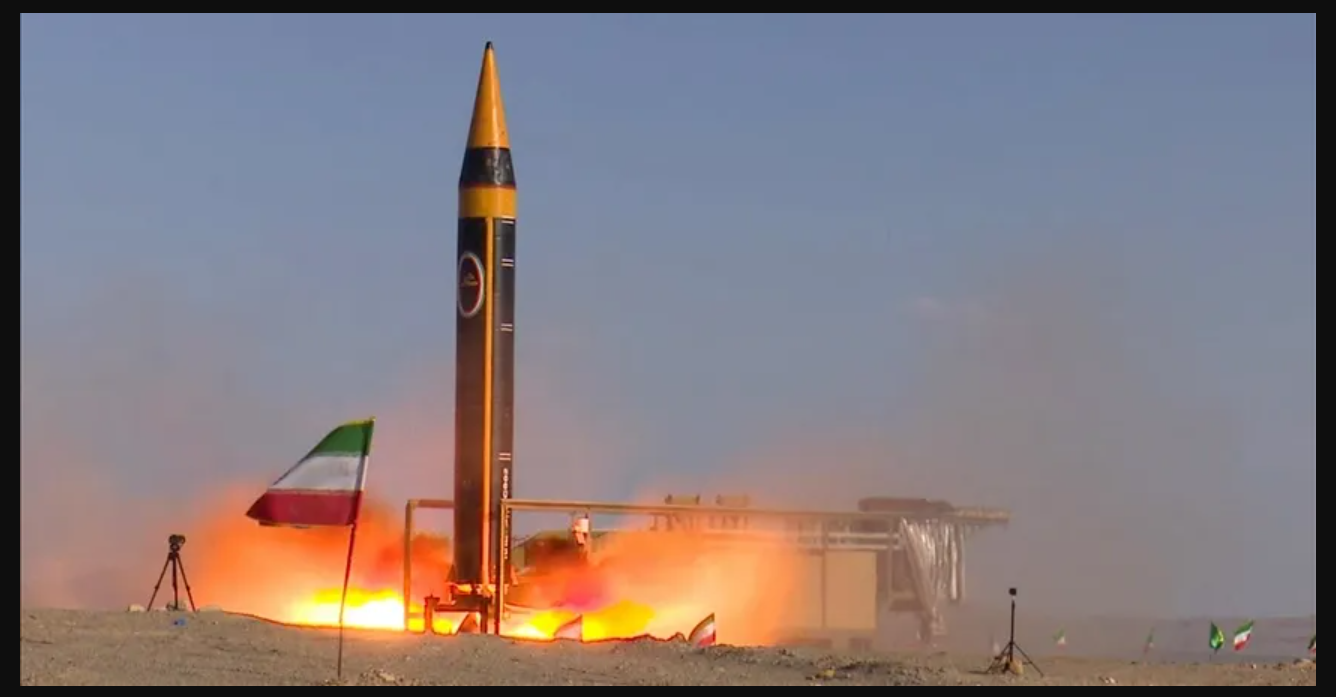
They claimed advanced missiles would be used if such plans were implemented.
This statement raises concerns about global energy markets and regional economic stability.
Oil facilities and supply routes remain vital for international trade and energy security.
As a result, governments across the region are closely monitoring developments.
Even limited attacks on energy networks could disrupt supplies and increase economic uncertainty.
Conflicting Signals From Washington
The warning follows mixed messaging from United States leadership regarding its objectives in Iran.
American defense officials stated that ongoing strikes do not aim to force regime change.
However, political rhetoric has added uncertainty to the situation.
During the early phase of the conflict, President Donald Trump encouraged Iranian citizens to take control of their government after hostilities end.
These contrasting messages have fueled speculation about Washington’s long-term strategy.
Consequently, diplomatic observers say ambiguity may heighten tensions rather than reduce them.
Rising Risk of Regional Escalation
The exchange of threats underscores how quickly the crisis could widen.
Military statements increasingly reference strategic and symbolic targets rather than battlefield positions.
Meanwhile, regional actors fear that escalation could draw additional countries into confrontation.
Diplomatic voices continue urging restraint and renewed dialogue to prevent further deterioration.
At the same time, uncertainty remains over whether political negotiations can resume soon.
Both rhetoric and military developments suggest a fragile and volatile environment.
A Conflict at a Dangerous Crossroads
Iran’s warning about the Dimona reactor marks another turning point in an already tense conflict.
It demonstrates how strategic deterrence messaging now shapes regional dynamics.
While leaders continue to defend their positions, risks of miscalculation remain high.
Therefore, the coming weeks may determine whether diplomacy returns or confrontation deepens.
For now, the situation reflects a widening crisis where political goals, military strategy, and regional stability increasingly intersect.
