


Gulf States Provide Critical Base Access for US-Led Operation
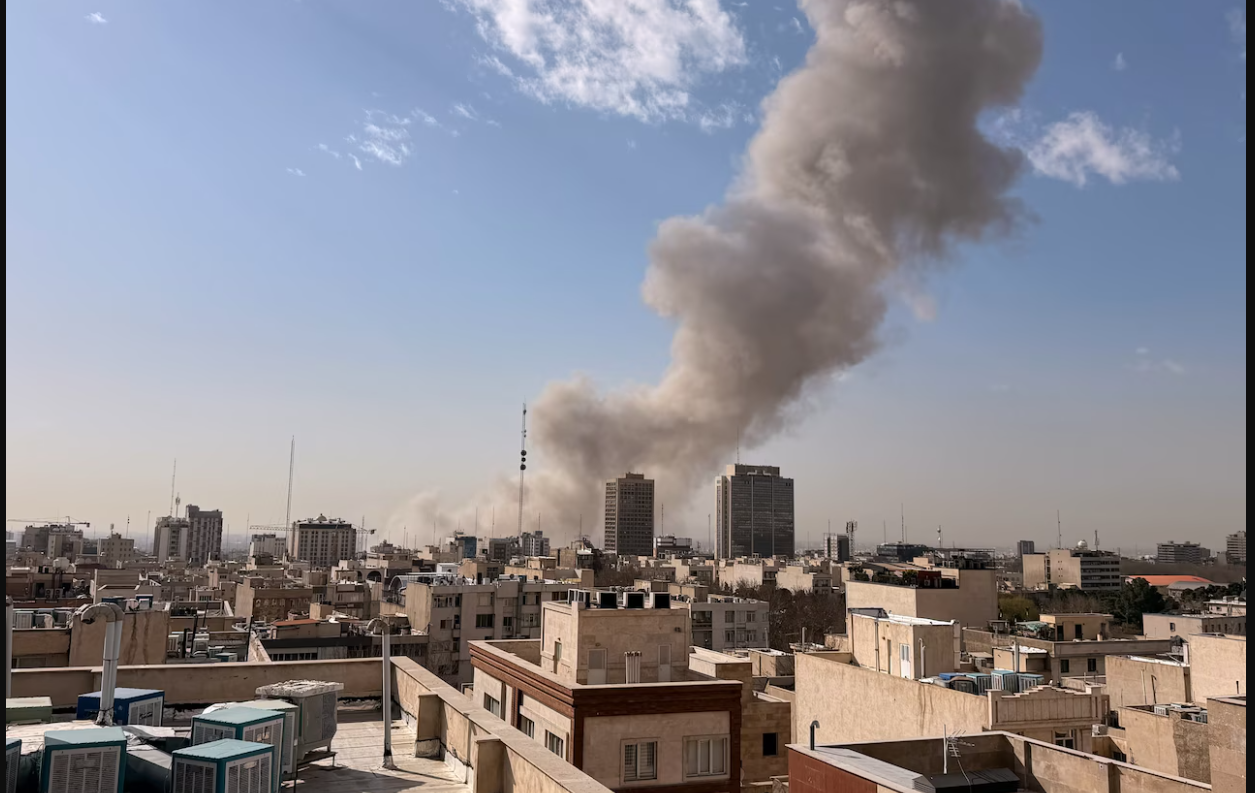
“Operation Epic Fury” has reshaped Middle East alliances. The joint US-Israeli campaign was launched on February 28. The strikes targeted Iran in a major escalation. Iranian Supreme Leader Ayatollah Ali Khamenei was killed during the operation, according to official reports.
The United States is leading the campaign. Israel is its primary combat partner. Israeli forces are spearheading high-level “decapitation strikes.” The operation aims to weaken Iran’s military and missile capabilities.
Several Muslim-majority countries are not officially at war. However, they are playing a silent but strategic role. These nations are providing base access, logistics, and military infrastructure. Their support forms the operational backbone of the campaign.
Kuwait serves as a key staging ground. It provides ground logistics support for US forces. Military supplies and personnel transit through Kuwaiti territory. This makes Kuwait strategically important.
Qatar hosts the vital Al Udeid Air Base. The base functions as the forward headquarters of the United States Central Command. Thousands of sorties over Iranian territory are coordinated from this base. The facility is central to air operations.
Bahrain plays a maritime role. It hosts the US Fifth Fleet in the Persian Gulf. Naval coordination and surveillance are managed from Bahraini waters. This ensures sea lane security and regional force projection.
Strategic Support From Jordan, Saudi Arabia and UAE
Other Muslim nations are offering indirect strategic support. Jordan acts as a geographic buffer. Its territory is reportedly being used for search-and-rescue missions. Refueling operations are also conducted through Jordanian bases.
Saudi Arabia is not directly participating in combat. However, it allows access to its extensive defensive infrastructure. US forces rely on Saudi radar and missile defense systems. This enhances early warning capabilities.
The United Arab Emirates is also contributing strategically. Al Dhafra Air Base serves as a reconnaissance hub. Air surveillance missions operate from this base. Missile defense coordination is handled through Emirati systems.
These nations have avoided formal declarations of war. However, their logistical and defensive cooperation strengthens the operation. Their role reflects shifting regional alliances.
Global Powers Condemn Operation Epic Fury
The operation has sparked global criticism. Russia and China have strongly condemned the strikes. Both countries called for an immediate ceasefire. They described the killing of Iran’s leader as destabilizing.
Chinese state media outlet Xinhua News Agency labeled the operation “brazen aggression.” It accused the US of power politics and hegemony.
Turkey also criticized the scale of the offensive. Despite being a NATO member, Ankara voiced concerns over regional instability. The criticism highlights divisions even among Western-aligned states.
The Middle East now faces heightened uncertainty. Airspace closures and security alerts continue across the Gulf. Military analysts warn of a broader conflict if escalation continues.
Operation Epic Fury has created a complex diplomatic landscape. Some Muslim countries provide silent operational support. Others call for restraint and peace talks. The region stands at a critical crossroads.
