

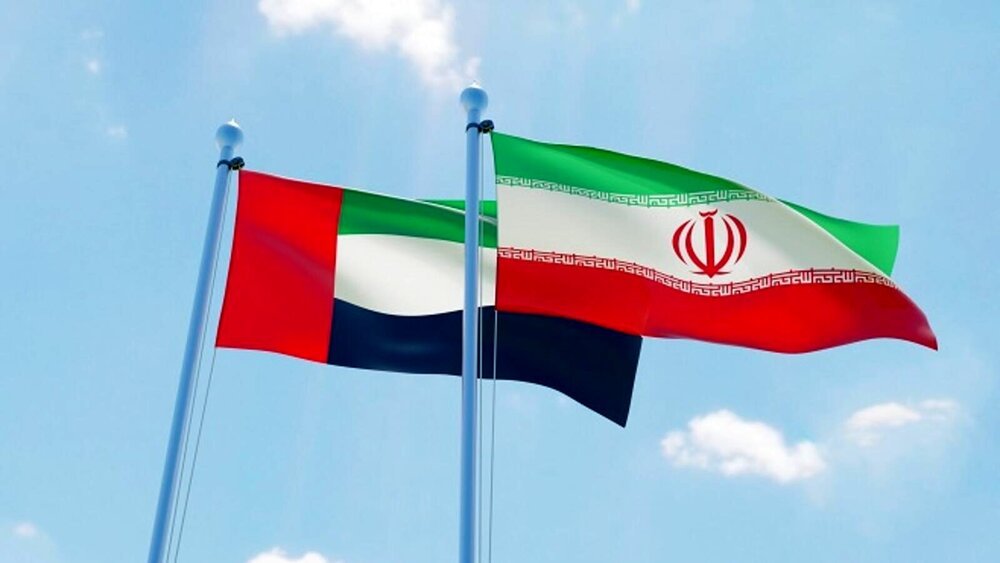

The United Arab Emirates has announced the closure of its embassy in Tehran after Iranian missile attacks targeted Emirati territory. The decision marks a significant diplomatic escalation amid rising regional tensions.
Officials confirmed that the ambassador and all diplomatic staff are being recalled immediately. The move reflects growing security concerns following recent developments in the Gulf region.
Authorities described the attacks as a serious threat to national sovereignty and regional stability. Consequently, the UAE adopted swift diplomatic measures in response.
Diplomatic Staff Withdrawn Amid Security Concerns
The foreign ministry stated that all members of the diplomatic mission would leave Tehran without delay. Officials emphasized that protecting diplomatic personnel remained a top priority.
According to the statement, the decision followed missile strikes that reportedly affected civilian locations. Residential areas, airports, ports, and service facilities were among the impacted sites.
Officials argued that such actions endangered innocent lives and increased risks for civilians. Therefore, authorities concluded that maintaining diplomatic operations under current conditions was no longer viable.
Moreover, the withdrawal signals a firm stance against actions perceived as hostile or destabilizing.
Strong Condemnation of Missile Strikes
A senior foreign ministry official strongly condemned the attacks, calling them a dangerous escalation. The statement described the strikes as violations of national sovereignty and international law.
Officials stressed that attacks targeting civilian infrastructure cannot be justified under any circumstances. Furthermore, they warned that continued aggression could deepen instability across the region.
The UAE reiterated its commitment to protecting national security while supporting regional peace efforts. However, officials noted that provocative actions undermine diplomatic solutions.
As tensions grow, calls for restraint and responsible conduct have intensified across diplomatic channels.
Regional Stability Faces New Challenges
The embassy closure is expected to place additional strain on relations between the UAE and Iran. Analysts believe diplomatic disengagement could complicate ongoing efforts aimed at reducing tensions.
Meanwhile, concerns continue to rise about wider consequences for Gulf stability. Regional security remains closely tied to energy routes, trade flows, and economic confidence.
Uncertainty has also increased regarding maritime security and commercial operations. As a result, governments and businesses are closely monitoring developments.
Although diplomatic ties have not been fully severed, the withdrawal represents a serious downgrade in relations.
Broader Implications for the Gulf and Global Economy
Escalating tensions in the Gulf carry implications beyond regional politics. Energy markets and international shipping routes remain sensitive to instability.
If tensions persist, disruptions could affect global supply chains and economic outlooks. Therefore, diplomatic engagement remains crucial for preventing further escalation.
The UAE emphasized that peace and stability remain essential priorities. Officials urged restraint while warning against actions that threaten regional security.
For now, the embassy closure stands as one of the strongest diplomatic responses since tensions intensified, highlighting the fragile security environment across the Middle East.
