


Khamenei’s Death and Widespread Leadership Losses
Iran’s Supreme Leader Ayatollah Ali Khamenei has been confirmed killed in massive joint strikes by the United States and Israel, marking an unprecedented hit on Iran’s leadership. The attacks have triggered intense conflict and a regional crisis, prompting mourning, retaliation, and global concern.
State media and international reports agree that Khamenei’s death is just one part of a larger pattern of senior leadership casualties. Multiple reliable outlets and military sources indicate that dozens of Iran’s top political and military leaders have been killed in the coordinated strikes.
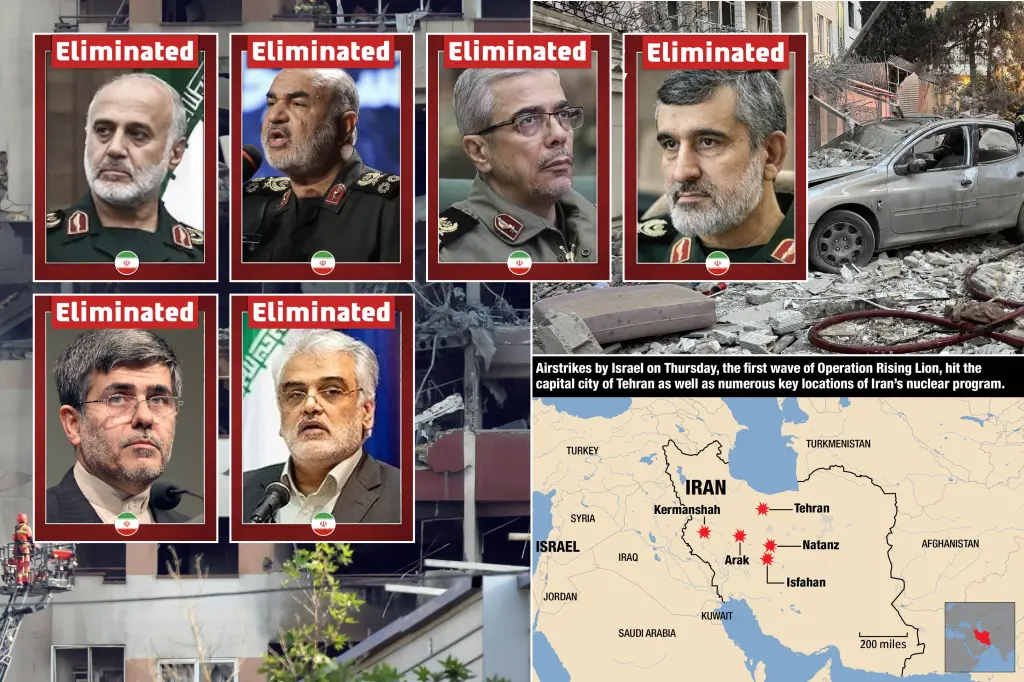
According to defence officials and military assessments, at least 40 senior Iranian leaders were eliminated during the air campaign. This list includes key defence, intelligence, and military figures. The scale of these losses has plunged Tehran into a leadership crisis and begun a succession battle within the regime.
Confirmed High‑Level Casualties
Reports from military sources and verified lists show that the following Iranian figures were killed on February 28, 2026, in the strikes that also claimed Khamenei’s life:
-
Ali Khamenei – Supreme Leader of Iran, killed in attack on his Tehran compound.
-
Ali Shamkhani – Secretary of the Iranian Defence Council and senior adviser.
-
Mohammad Pakpour – Commander of the IRGC Ground Forces.
-
Aziz Nasirzadeh – Minister of Defence and Armed Forces Logistics.
-
Saleh Asadi – Head of Intelligence Directorate, Khatam al‑Anbiya Emergency Command.
-
Mohammad Shirazi – Head of the Military Office of the Supreme Leader.
-
Hossein Jabal Amelian – Chairman of the Organization of Defensive Innovation and Research (SPND).
-
Reza Mozaffari‑Nia – Former Chairman of SPND.
-
Abdolrahim Mousavi – Commander‑in‑Chief of Iran’s Army leadership.
These confirmed deaths represent core pillars of Iran’s defence and intelligence structure. They include senior military commanders, top advisers, and directors of key strategic organisations.
Why the Leadership Toll Matters
The death of Khamenei — Iran’s supreme authority for nearly four decades — is itself a historic turning point. His rule shaped Iran’s domestic governance, foreign policy, nuclear program, and proxy networks across the Middle East.
The loss of so many top officials simultaneously has left a deep power vacuum in Tehran. Iran’s constitutional process for selecting a new supreme leader is now in play, with interim councils and the Assembly of Experts set to deliberate.
The cumulative toll — both political and military — has sparked mourning among supporters and outrage among critics, while foreign governments brace for instability. This level of leadership decapitation is rare in modern conflicts and signals a potential shift in Iran’s future direction and regional posture.
