

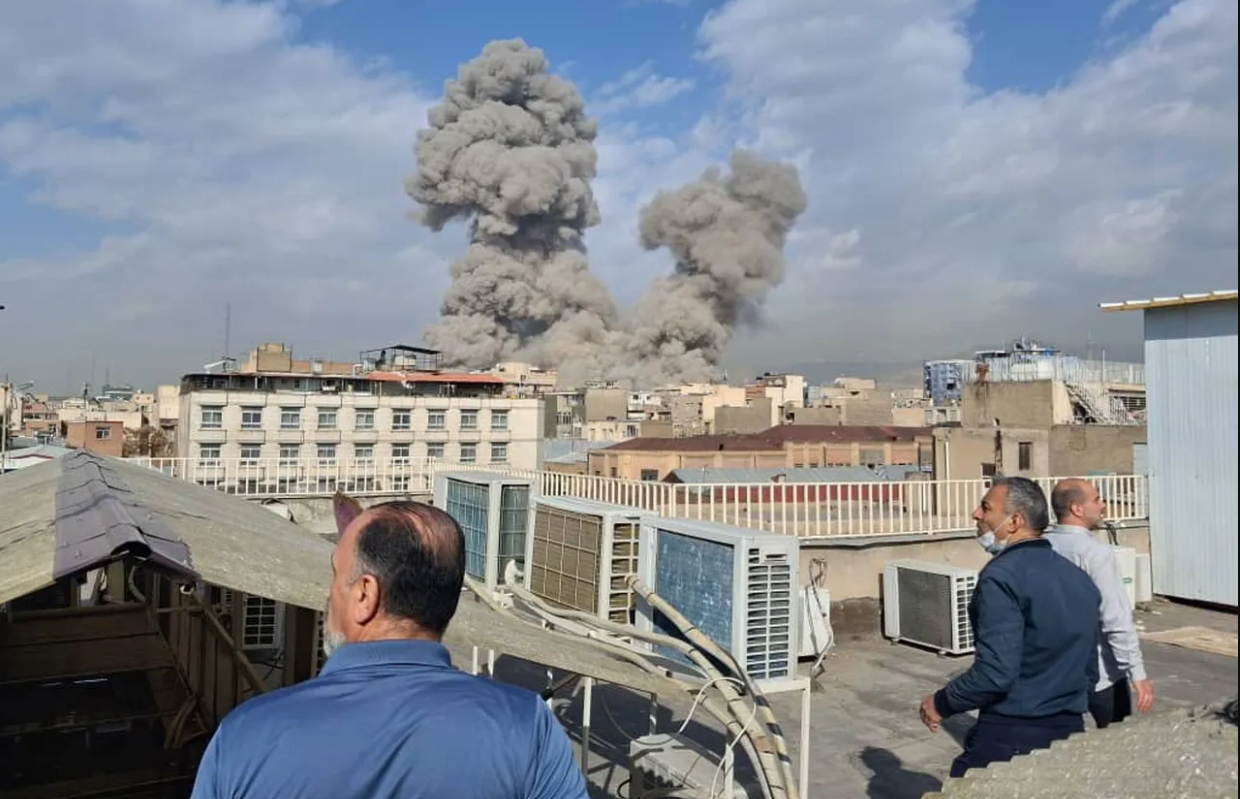

Iran has accused the United States and Israel of violating international law following coordinated military strikes on its territory. Tehran described the attacks as a breach of Article 2(4) of the United Nations Charter and a direct assault on its sovereignty.
In an official statement, Iran’s Foreign Ministry said the strikes targeted defence infrastructure as well as civilian sites in several cities. Moreover, it stressed that the attacks occurred while diplomatic engagement between Tehran and Washington was still underway. According to Iranian officials, the operation undermined ongoing efforts to prevent escalation.
Tehran Cites Right to Self-Defence
Iran emphasized that it had prioritized diplomacy to avoid conflict. However, officials declared that the situation has now changed. “The time has come to defend the homeland,” the statement said, warning of a decisive and powerful response.
Tehran invoked Article 51 of the UN Charter, asserting its right to self-defence. Furthermore, it called on the UN Security Council and the wider international community to condemn the joint action and take urgent steps to address what it described as aggression.
The United States and Israel stated that their joint operation aimed to neutralize alleged threats posed by the Iranian leadership. The strikes were conducted early Saturday and reportedly targeted strategic locations across Iran.
Retaliatory Strikes Across the Region
Shortly after the attacks, Iran launched retaliatory missile strikes against American military installations in the Middle East. The most significant reported impact occurred at the US Navy’s Fifth Fleet headquarters in Bahrain.
In addition, Iran fired ballistic missiles toward Israel. Israeli defence systems were activated and reportedly intercepted incoming projectiles. Warning sirens sounded across several areas as authorities urged residents to seek shelter.
The US Department of Defense confirmed its involvement in the joint strikes under the name “Operation Epic Fury.” Iranian officials had previously warned that any attack on their territory would trigger retaliation against US bases in neighboring countries. Consequently, additional missile activity targeted other regional sites hosting American forces.
Rising Regional Tensions
The rapid escalation has heightened fears of broader instability across the Middle East. Diplomatic observers note that continued exchanges could draw in more regional actors. Therefore, international pressure for restraint may intensify in the coming days.
Although both sides justify their actions as defensive, the confrontation risks deepening an already fragile security environment. Governments across the region are now closely monitoring developments while reinforcing security measures.
For now, Iran maintains that its response is lawful and necessary under international law. Meanwhile, the United States and Israel continue to defend their operation as a preventive measure. The unfolding crisis underscores how quickly diplomacy can unravel when military action takes center stage.
