

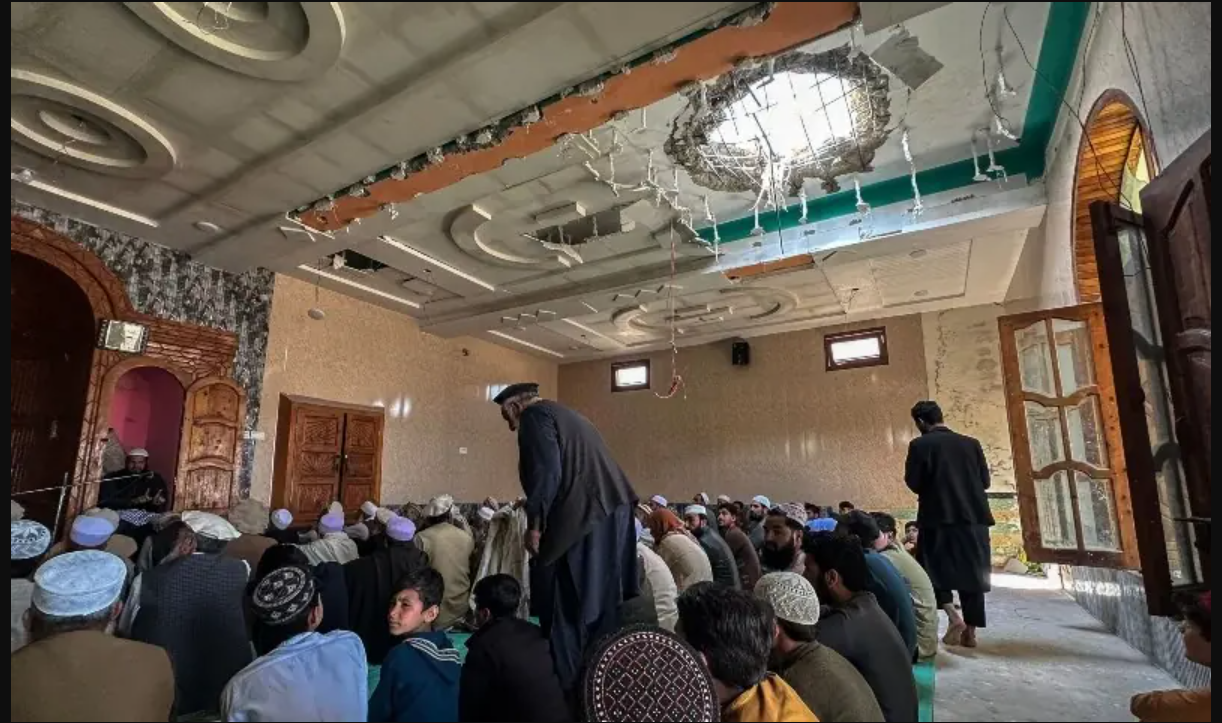

Afghanistan’s Taliban leadership has expressed readiness for dialogue as international calls for de-escalation intensify. The shift comes after days of cross-border fighting with Pakistan, described by Islamabad as “open war.”
The latest violence followed Pakistani air strikes on major Afghan cities. Dozens were reportedly killed in the escalation. In response, the Taliban claimed they carried out retaliatory attacks targeting what they described as hostile actions.
However, Afghan officials now say they prefer negotiation over prolonged conflict. The Afghan foreign minister conveyed this position during diplomatic outreach, emphasizing mutual respect and understanding. Similarly, Taliban spokesperson Zabihullah Mujahid stated that the group seeks to resolve the matter through dialogue.
Regional Diplomacy Gains Momentum
As tensions rise, regional powers have stepped in to prevent further escalation. Iran, which shares borders with both countries, offered to facilitate talks. Tehran stated it stands ready to assist in promoting dialogue and cooperation between Islamabad and Kabul.
Meanwhile, Saudi Arabia and Qatar have launched diplomatic efforts aimed at calming the situation. Officials from both countries are reportedly working behind the scenes to reduce tensions and prevent further instability. Saudi Arabia’s foreign minister held discussions with counterparts from both Pakistan and Afghanistan.
Turkey also joined diplomatic efforts. Its foreign minister conducted separate calls with officials from Pakistan, Afghanistan, Qatar, and Saudi Arabia. These discussions focused on de-escalation and restoring communication channels.
Global Calls for Ceasefire
Major international powers have urged immediate restraint. China expressed deep concern over the violence and called on both sides to exercise calm. Beijing also confirmed it is mediating through diplomatic channels while ensuring the safety of its nationals and investments.
Russia described the clashes as dangerous and called for a return to political dialogue. Moscow, which maintains relations with both governments, stressed that confrontation would only deepen instability.
Britain echoed similar concerns, urging both nations to avoid civilian harm and re-engage in mediated discussions. The United Nations also called for an immediate cessation of hostilities. The UN secretary-general emphasized that disputes should be resolved through diplomacy rather than force.
The International Committee of the Red Cross warned about the humanitarian impact of continued fighting. The organization stated it is preparing assistance efforts in response to emerging needs on the ground.
Diverging Signals from Washington
In contrast, the United States signaled reluctance to intervene directly. President Donald Trump indicated that he would not step in at this stage, citing positive relations with Pakistan’s leadership. His comments marked a departure from previous mediation efforts in global disputes.
A Fragile Moment for the Region
The current standoff underscores long-standing tensions between Pakistan and Afghanistan. Islamabad accuses Kabul of failing to curb cross-border militancy, while Afghan officials reject those claims.
Although military exchanges have intensified, diplomatic momentum is also building. Therefore, the coming days could prove critical in determining whether the crisis escalates further or shifts toward negotiation.
For now, the region remains on edge. Yet, with multiple countries urging dialogue, a pathway to de-escalation may still emerge.
