

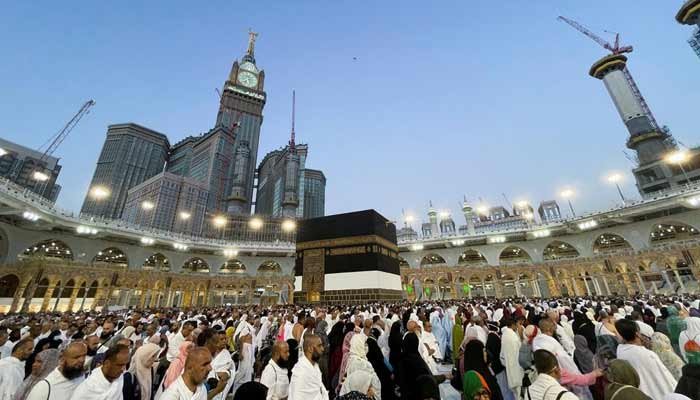

The Ministry of Religious Affairs and Interfaith Harmony has introduced strict health regulations for Hajj 2026. Officials announced that individuals suffering from serious or chronic medical conditions will not qualify for the pilgrimage this year. The ministry says it took this step to protect pilgrims and ensure a safer Hajj experience for everyone.
Authorities explained that large gatherings and extreme weather conditions can worsen existing illnesses. Therefore, officials want only medically fit individuals to undertake the physically demanding journey. Families preparing for Hajj have reacted with mixed emotions, as some now face unexpected disappointment.
Health Conditions Now Disqualify Applicants
Under the new advisory, authorities will not permit patients with advanced-stage cancer, severe heart disease, or congestive heart failure to travel. Officials have also restricted individuals who require dialysis due to kidney failure. Similarly, patients with end-stage liver disease or chronic respiratory disorders cannot participate.
The ministry has also barred people with acute lung conditions and severe neurological disorders from traveling. In addition, pregnant women beyond their 26th week will not receive clearance. Officials believe these measures will significantly reduce medical emergencies during the pilgrimage.
Moreover, authorities warned applicants against submitting fake medical certificates. The ministry stated that anyone caught falsifying health documents will face strict legal action. Officials stressed that transparency remains essential to protect all pilgrims.
Mandatory Vaccinations and Strict Compliance
Alongside medical restrictions, the ministry has made vaccinations compulsory. All approved pilgrims must receive meningitis, influenza, and polio vaccines before departure. Officials confirmed that these rules align with Saudi Arabia’s health protocols.
Authorities emphasized that compliance with international travel regulations remains mandatory. Any violation may lead to disciplinary action or cancellation of travel approval.
Officials urged citizens to assess their health honestly before applying. They encouraged families to prioritize well-being over obligation. While the new policy may disappoint some hopeful pilgrims, the ministry insists that safety must come first.
