

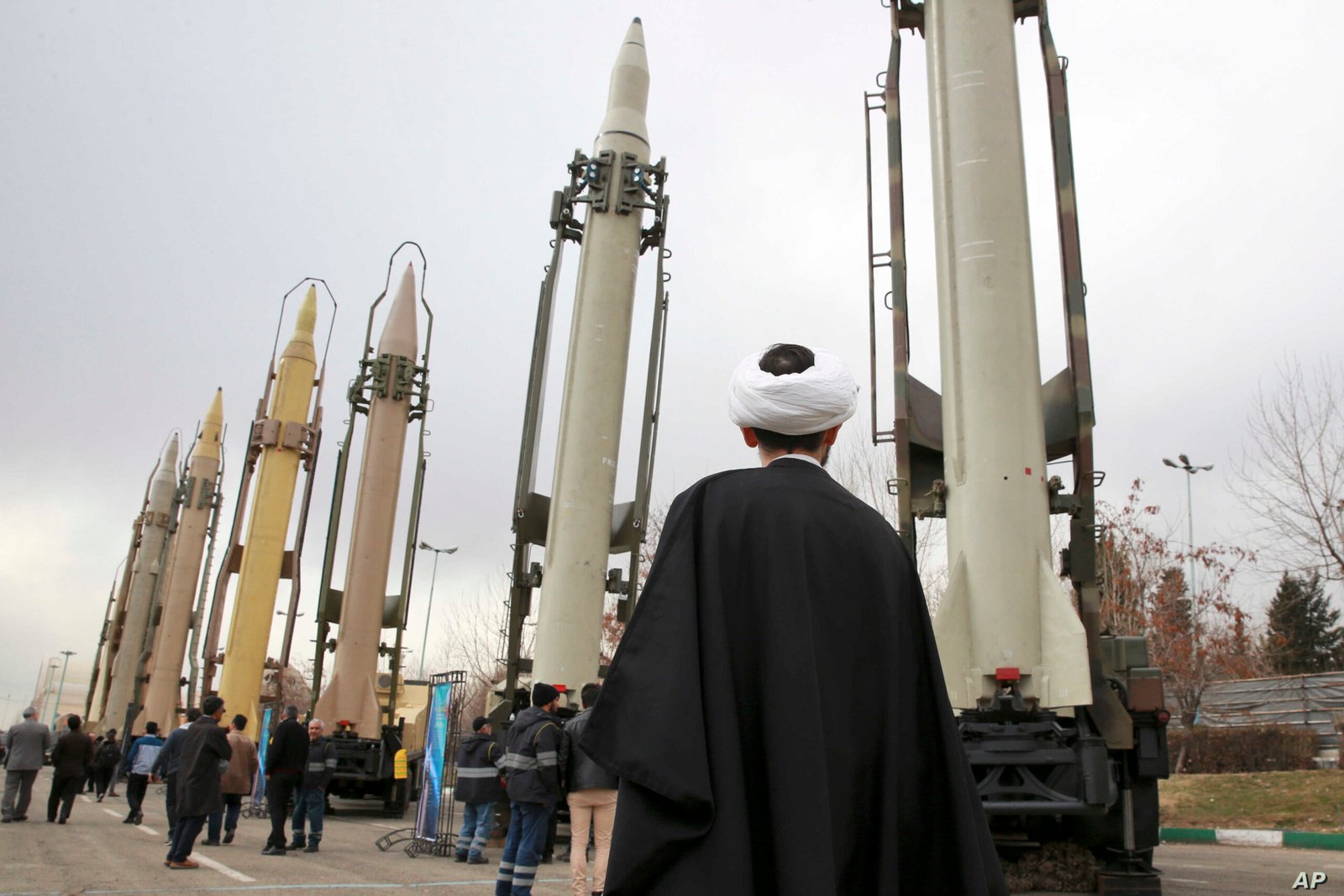

Iran is reportedly close to finalizing a major arms deal with China. The agreement involves the purchase of advanced CM-302 supersonic anti-ship cruise missiles. According to multiple sources familiar with the negotiations, the deal is nearing completion, although no delivery date has been confirmed.
The development comes as the United States increases its naval presence near Iranian waters. Washington has deployed significant military assets to the region. As a result, the potential missile acquisition has intensified global security concerns.
The Chinese-made CM-302 missile has a reported range of approximately 290 kilometers. The missile travels at supersonic speed and flies at low altitude. Therefore, it can evade many shipborne defense systems. Weapons experts warn that such capability would significantly boost Iran’s naval strike power.
CM-302 Missile Deal Could Shift Regional Military Balance
Negotiations between Iran and China reportedly began at least two years ago. However, discussions accelerated after the brief 12-day conflict between Israel and Iran in June. Sources say senior Iranian defense officials traveled to China last summer to finalize details.
Among them was Massoud Oraei, Iran’s deputy defense minister. His reported visit highlights the seriousness of the negotiations. If completed, the deal would mark one of the most advanced weapons transfers from China to Iran.
The CM-302 is developed by China Aerospace Science and Industry Corporation (CASIC). The company markets the missile as a high-precision weapon capable of striking aircraft carriers and destroyers. In addition, the system can be launched from ships, aircraft, or mobile ground platforms.
Security analysts say the missile could challenge US naval dominance in the region. Danny Citrinowicz, a former Israeli intelligence officer, described the capability as a “complete gamechanger.” He stated that intercepting supersonic anti-ship missiles remains extremely difficult.
Furthermore, defense researcher Pieter Wezeman of the Stockholm International Peace Research Institute noted that Iran’s arsenal was weakened after last year’s conflict. Therefore, acquiring the CM-302 would significantly strengthen Tehran’s deterrence capacity.
US Naval Buildup and Growing China-Iran Ties
The potential arms deal unfolds amid rising geopolitical tensions. The United States has positioned major naval assets near Iran. These include the aircraft carriers USS Abraham Lincoln and USS Gerald R. Ford, along with their strike groups. Together, they carry thousands of personnel and dozens of aircraft.
Meanwhile, US President Donald Trump has warned that Iran must reach a nuclear agreement within days or face possible military action. The White House has not directly commented on the reported missile negotiations. However, officials reiterated that Washington remains prepared for decisive measures if diplomacy fails.
At the same time, China appears to be deepening military ties with Tehran. During a military parade in Beijing, Chinese President Xi Jinping publicly expressed support for Iran’s sovereignty and territorial integrity. Additionally, China joined Russia and Iran in criticizing the reimposition of international sanctions.
The reported missile sale may defy earlier United Nations arms restrictions first imposed in 2006. Although sanctions were lifted under the 2015 nuclear deal, they were reimposed last year.
Sources also indicate that Iran is exploring the purchase of additional Chinese defense systems. These reportedly include surface-to-air missiles, anti-ballistic systems, and anti-satellite weapons.
If finalized, the CM-302 deal could reshape the regional security landscape. It may also complicate US efforts to contain Iran’s missile and nuclear programs. As tensions escalate, global powers continue to monitor developments closely.
