


New Government Takes Office Following Political Upheaval
Cabinet Formation Signals Policy and Governance Priorities Ahead
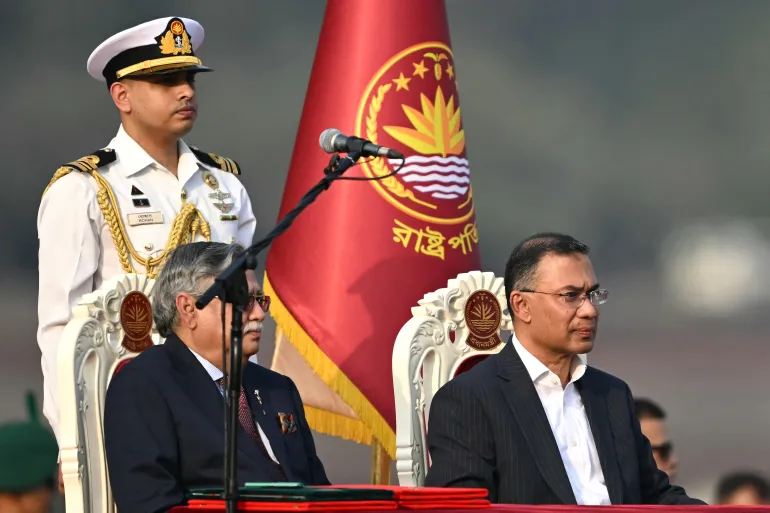
DHAKA, Feb. 17 — Bangladesh Nationalist Party leader Tarique Rahman was sworn in Tuesday as prime minister, becoming the country’s first elected leader since deadly nationwide protests in 2024 led to the removal of the previous government headed by Sheikh Hasina. Subsequently, newly elected lawmakers also took their oaths inside parliament, formally beginning the tenure of the new administration following last week’s decisive general election.
Moreover, Rahman’s alliance secured 212 seats in the 300-member Jatiya Sangsad, while the rival bloc led by Jamaat-e-Islami obtained 77 seats, consequently granting the BNP-led coalition a commanding majority to form government. Meanwhile, foreign dignitaries attended the ceremony, reflecting regional interest in Bangladesh’s political transition after months of uncertainty and interim governance. Additionally, authorities later swore in 25 cabinet ministers, most drawn from the BNP and allied groups, although portfolios remain under discussion as leaders finalize administrative responsibilities.
Analysts said the cabinet includes experienced politicians alongside new lawmakers who gained prominence during last year’s protests, therefore signaling both continuity and renewal within national leadership. However, experts also warned that ministers face strong public expectations to deliver economic stability, political reconciliation, and governance reforms following prolonged unrest. Consequently, observers expect the new administration to focus on economic recovery, employment growth, and restoring investor confidence while managing social divisions that deepened during the transition period.
Ultimately, political analysts believe Rahman’s leadership now faces the challenge of balancing coalition interests, addressing demands raised during protests, and establishing stable governance capable of guiding Bangladesh toward sustained development, democratic consolidation, and renewed international engagement during the coming parliamentary term as citizens closely watch the government’s early policy decisions and reform measures nationwide.
