


Taliban Releases Pakistani Soldiers as Saudi Mediation Eases Border Tensions
Ceasefire Holds After Months of Clashes and Diplomatic Efforts
Crossings Remain Disrupted While Talks Seek Lasting Stability
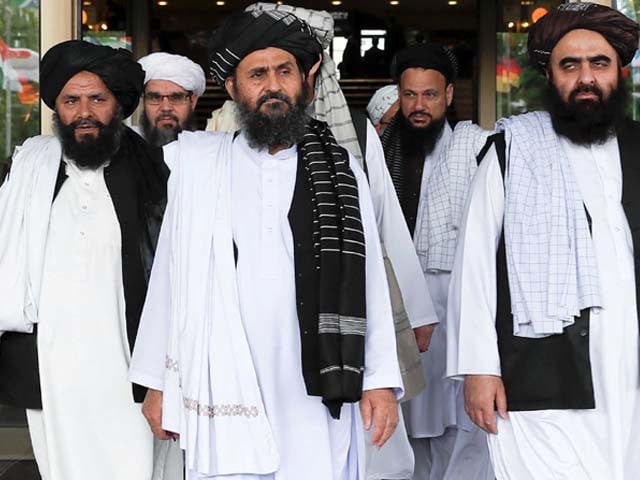
KABUL, Feb. 17 — Afghanistan’s Taliban government said Tuesday it released three Pakistani soldiers captured during October border clashes, following mediation efforts led by Saudi Arabia amid strained relations and a prolonged frontier closure between neighboring countries. The release comes months after the deadliest cross-border fighting since the Taliban returned to power in 2021, when dozens died and both sides later accepted a fragile ceasefire but failed to secure a durable political settlement. Consequently, Taliban spokesman Zabihullah Mujahid announced authorities handed the detained soldiers, captured October 12 along the frontier, to a visiting Saudi delegation in Kabul, describing the step as goodwill before the Muslim holy month of Ramadan. Moreover, he said officials approved the move after Riyadh requested cooperation, adding the administration seeks positive relations with regional partners while encouraging dialogue to prevent renewed violence along the lengthy shared border. However, Pakistan’s Foreign Ministry did not immediately comment, although analysts expect the release could reopen negotiations to restore trade routes periodically shut, disrupting commerce and civilian movement across the 2,600-kilometer frontier separating communities. Meanwhile, Islamabad continues accusing Kabul of sheltering militants launching attacks inside Pakistan, whereas Taliban authorities deny responsibility and call for cooperation; therefore, observers urge sustained diplomacy to stabilize relations before Ramadan begins. Additionally, officials said humanitarian considerations and Saudi facilitation helped ease tensions, yet negotiators must still secure lasting mechanisms reopening crossings, protecting traders, supporting families, and building confidence through continuous engagement between security agencies and community leaders across remote border districts in coming months to prevent further escalation regionally.
