


Leadership After King’s Assassination
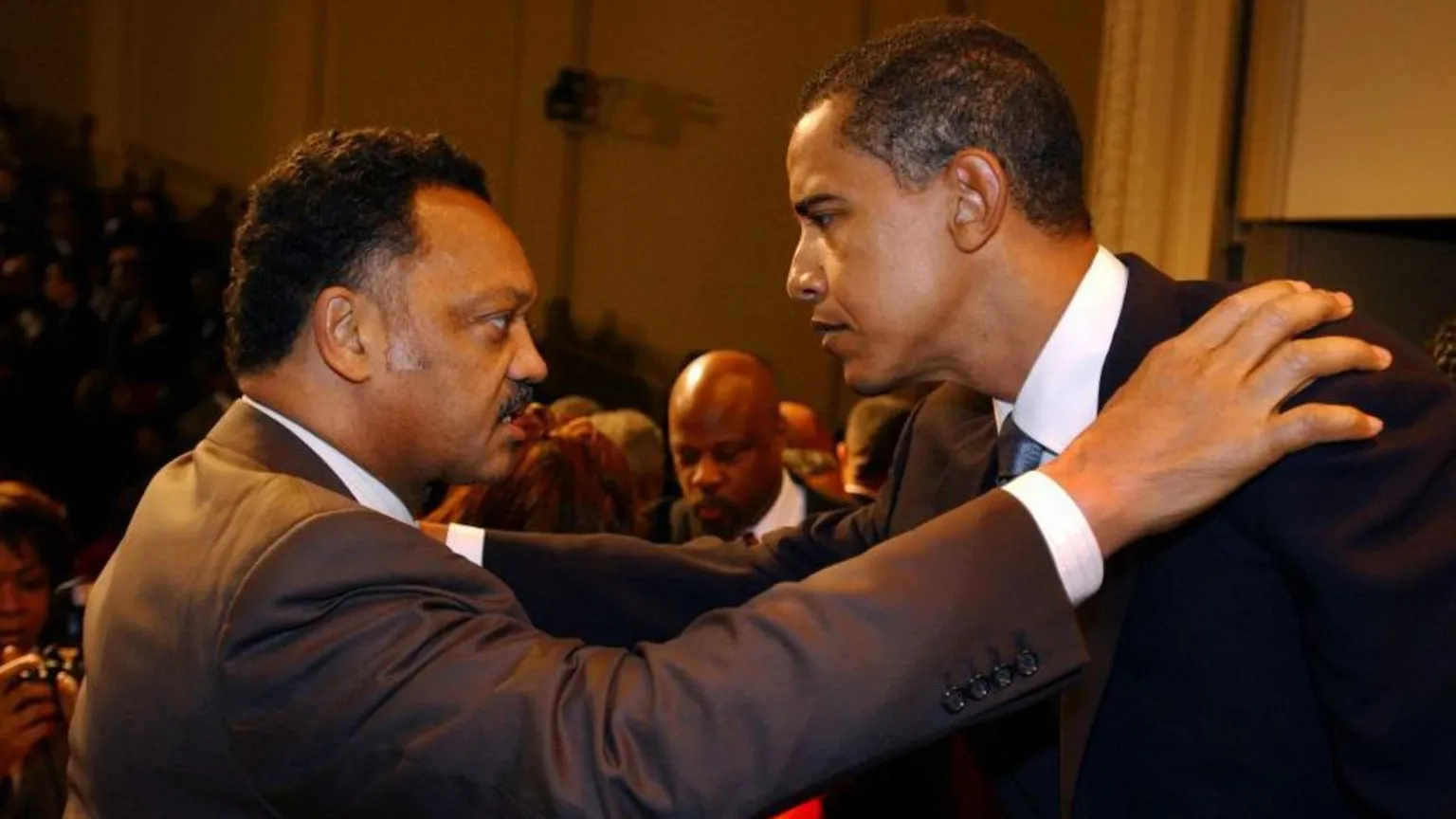
CHICAGO — The Rev. Jesse L. Jackson, a protégé of Martin Luther King Jr. and two-time presidential candidate, died Tuesday at 84. His daughter, Santita Jackson, confirmed that he died at home in Chicago, surrounded by family.
Jackson rose to national prominence after meeting King at the Lorraine Motel in Memphis shortly before King’s assassination in 1968. Subsequently, he stepped into a leadership role and carried the Civil Rights Movement forward during a turbulent period in American history.
Over the decades, Jackson championed voting rights, economic justice, education access and health care reform. Moreover, he built coalitions that united labor groups, minorities and progressive activists. Through the Rainbow/PUSH Coalition, he pressured corporations to diversify leadership and expand opportunities for marginalized communities.
National Influence and Global Advocacy
In addition to domestic activism, Jackson engaged world leaders to negotiate humanitarian releases and promote diplomacy. He transformed his moral authority into political influence, launching historic presidential campaigns in 1984 and 1988 that expanded voter participation.
Frequently, Jackson energized crowds by reciting his “I Am Somebody” poem, reinforcing messages of dignity and self-worth. As a result, he became the most recognized civil rights leader of his generation after King.
Meanwhile, the Rev. Al Sharpton described Jackson as “a movement unto himself.” Sharpton added that Jackson taught him that justice requires daily commitment and purposeful protest.
Ultimately, Jackson devoted his life to uplifting the oppressed and voiceless. His family said they shared him with the world, and in return, the world embraced them as extended family.
