

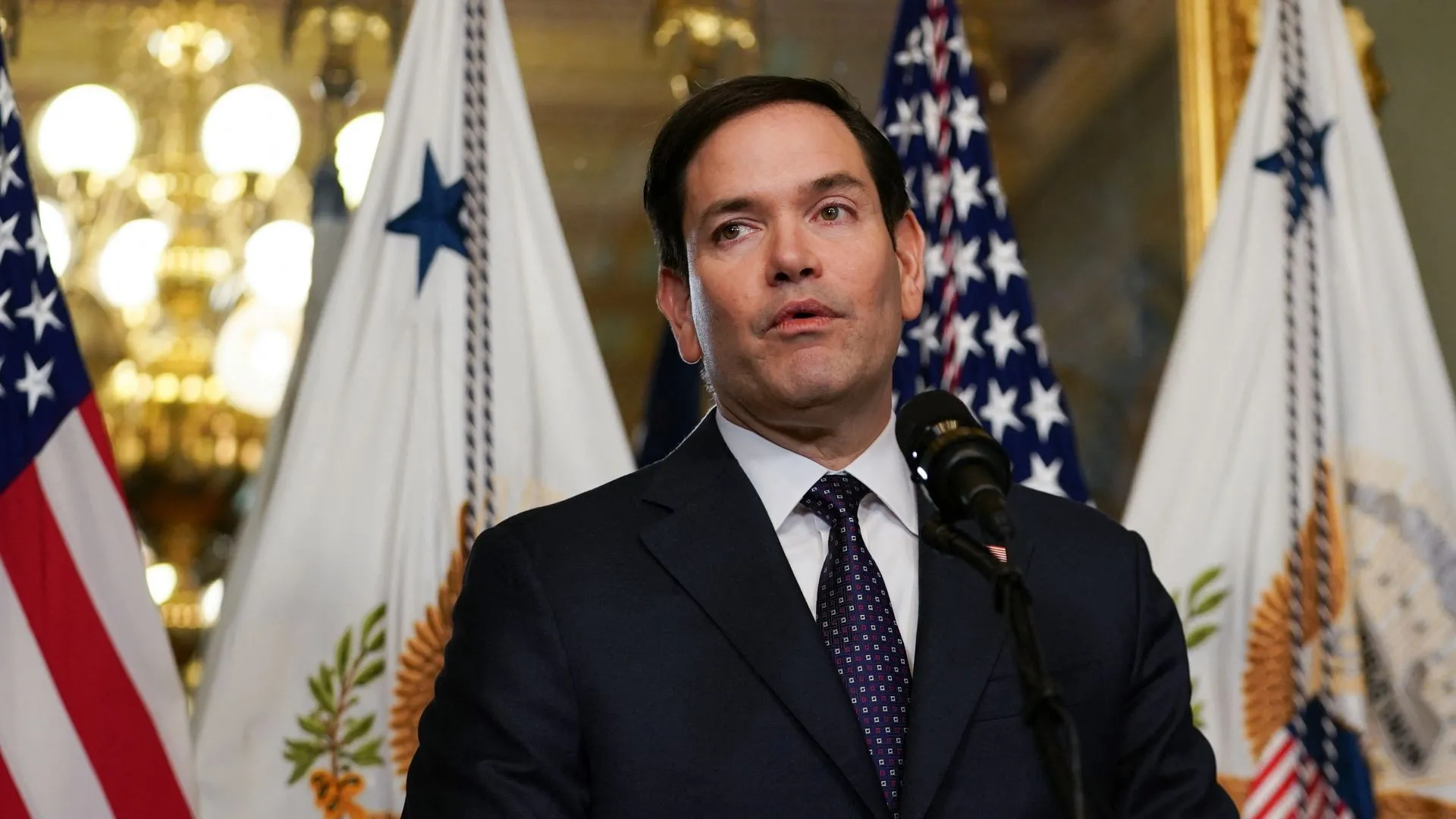

The United States has indicated that reaching a new agreement with Iran will be challenging. The remarks came just one day before scheduled nuclear talks in Geneva.
US Secretary of State Marco Rubio said there is an opportunity for diplomacy. However, he cautioned against overestimating the chances of success.
He acknowledged that previous efforts to secure meaningful agreements with Tehran have proven difficult. Nevertheless, Washington remains open to negotiations.
Renewed Nuclear Talks in Geneva
The United States and Iran resumed discussions earlier this month. Both sides aim to address concerns surrounding Tehran’s nuclear programme.
Washington, along with several Western governments and Israel, believes Iran’s nuclear activities could lead to weapons development. Tehran strongly denies this claim. It insists that its programme serves only civilian purposes.
Iran has signaled willingness to limit certain nuclear activities. However, it seeks sanctions relief in return. At the same time, Iranian officials reject the idea of zero uranium enrichment.
Moreover, Tehran refuses to include its missile programme in negotiations.
Military Posturing Raises Stakes
Tensions have escalated in recent weeks. Washington has deployed additional warships and aircraft to the Middle East. A second aircraft carrier strike group has also been ordered to the region.
Earlier, the United States joined Israel in conducting air strikes on Iranian nuclear sites. In response, Iran launched military drills in the Strait of Hormuz.
The waterway remains critical to global oil supply. It connects major Gulf oil producers to international markets. Consequently, any disruption could affect global energy prices.
Iran has repeatedly warned that it could close the strait if attacked. Such a move would threaten a significant portion of global oil shipments.
IAEA Seeks Answers on Enriched Uranium
Meanwhile, Iran’s foreign minister met with the head of the International Atomic Energy Agency in Geneva. Discussions focused on nuclear cooperation and inspection issues.
The IAEA has requested clarification regarding 440 kilograms of highly enriched uranium. The agency seeks information on the material’s status following last year’s strikes.
Inspectors also aim to resume full access to key nuclear sites. These include Natanz, Fordow, and Isfahan.
Therefore, transparency remains a central issue in the negotiations.
Dispute Over Scope of Agreement
The scope of the talks has widened. Washington wants to address not only nuclear enrichment but also Iran’s missile capabilities.
However, Tehran maintains that missile issues are not negotiable. It argues that sanctions relief must accompany any nuclear restrictions.
Iranian officials emphasize that they will not accept demands made under pressure. At the same time, they state readiness to pursue a fair agreement.
Uncertain Path Forward
Israeli leadership has expressed skepticism about a potential deal. Officials argue that any agreement must dismantle Iran’s nuclear infrastructure entirely.
As diplomatic efforts continue, both sides face significant hurdles. While negotiations offer a path toward de-escalation, deep mistrust persists.
Ultimately, the outcome of the Geneva talks could shape regional stability and global energy markets. For now, the prospect of a comprehensive US Iran nuclear deal remains uncertain.
