

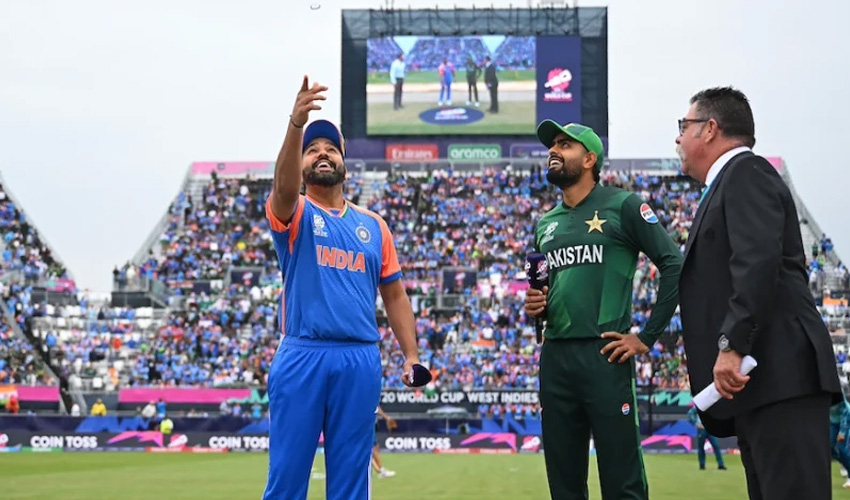

It was never going to be easy for the International Cricket Council to sideline Pakistan from the T20 World Cup. It was even harder to imagine the tournament without the marquee clash against India.
On February 15, Pakistan faces India for the ninth time in T20 World Cup history. Pakistan has won only once in previous encounters. Yet statistics rarely define this rivalry. The Pakistan vs India match is widely regarded as the most anticipated fixture in global cricket.
In the days leading up to the game, uncertainty dominated headlines. There was no official confirmation that Pakistan would participate. The situation escalated when the Government of Pakistan announced it would not permit the national team to play India in the group-stage match.
The controversy began when the Bangladesh Cricket Board approached the ICC. Bangladesh requested that its World Cup matches be shifted out of India due to political and security concerns. The ICC rejected the request. Soon after, Bangladesh was removed from the tournament and replaced by Scotland.
This decision shocked the cricket community. Questions were raised about fairness and equal treatment. The debate shifted from cricket to governance and power dynamics within the sport.
Pakistan publicly stood in solidarity with Bangladesh. Officials argued that precedent supported their position. During the 2025 Champions Trophy, India refused to travel to Pakistan. The ICC allowed India’s matches to be played at a neutral venue in the UAE. Similarly, in the 2026 T20 World Cup, Pakistan is scheduled to play its matches in Sri Lanka instead of India.
Given this history, many believed Bangladesh deserved similar flexibility. Instead, Bangladesh faced exclusion. Pakistan’s government then instructed its team not to play India unless the issue was addressed.
Financial Power and Global Cricket Politics
The standoff quickly became about more than a single game. It turned into a debate about equity and influence in international cricket. Pakistan’s stance was seen as a direct challenge to both the ICC and the Board of Control for Cricket in India.
On Sky Sports, former England captain Nasser Hussain shared his views. He questioned whether the ICC would treat India the same way in a similar situation. He suggested Pakistan was using the only language that moves global cricket: financial leverage.
The Pakistan vs India rivalry generates massive global revenue. Broadcasters pay premium rights fees for this match. Sponsors invest heavily when the two teams meet. Host nations rely on the fixture for ticket sales and worldwide engagement.
Removing Pakistan from the tournament was never commercially viable. The ICC had to handle the matter carefully. Unlike Bangladesh, Pakistan is central to the sport’s most profitable rivalry.
Even during tense moments like the 2025 Asia Cup, India ultimately played Pakistan. Despite political tensions and symbolic gestures, a full boycott was not feasible due to commercial realities.
Resolution, Solidarity and a Stronger Reputation
A turning point came on February 8. The BCB president and the ICC deputy chairman traveled to Pakistan for talks with PCB chairman Mohsin Naqvi. The discussions were described as constructive and decisive.
By Monday evening, a resolution began to take shape. Bangladesh formally requested Pakistan to proceed with the February 15 match. Shortly after, the ICC issued a detailed statement.
The ICC confirmed that Bangladesh would face no financial, sporting or administrative penalties. Bangladesh retained the right to approach the ICC Dispute Resolution Committee if needed. The board was also guaranteed hosting rights for an ICC event between 2028 and 2031, subject to procedures.
Following these assurances, the Government of Pakistan announced on social media platform X that Pakistan would play India as scheduled. The highly anticipated clash was back on track.
Some sections of Indian media portrayed Pakistan as backing down. However, the broader picture suggests a calculated and principled stand. Pakistan risked financial losses and potential sanctions to advocate fairness.
In the end, all sides benefited. Bangladesh secured future opportunities. The ICC protected the tournament’s commercial value. Pakistan reinforced its position as a strong and assertive cricketing nation.
This episode was about more than one match. It was about respect, equity and balance of power in world cricket. Pakistan emerged with its reputation strengthened on and off the field.
