

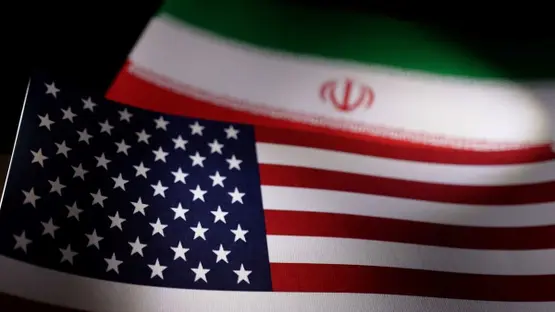

Iran has expressed readiness to make compromises in nuclear negotiations with the United States. However, Tehran insists that Washington must seriously address sanctions relief.
Deputy Foreign Minister Majid Takht-Ravanchi confirmed this position during a recent interview. He stated that Iran remains open to constructive dialogue. However, he ruled out accepting zero uranium enrichment.
This position reflects a consistent Iranian stance. Tehran supports limits on its nuclear program. Yet it refuses to abandon enrichment activities entirely.
Second Round of Talks Scheduled
Meanwhile, diplomatic efforts continue. A second round of nuclear talks will take place on Tuesday in Geneva.
Earlier discussions resumed in Oman this month. Both sides described those initial exchanges as cautiously positive. Takht-Ravanchi noted that talks moved in a constructive direction. However, he stressed that it remains too early to predict outcomes.
A United States delegation will attend the Geneva meeting. Envoys Steve Witkoff and Jared Kushner are expected to participate. Omani representatives will mediate discussions between both sides.
Therefore, diplomatic channels remain active. Both governments appear willing to test new negotiating ground.
Sanctions Relief Remains Central Issue
Iran continues to prioritize the lifting of financial sanctions. According to officials, sanctions relief must form the core of any agreement.
Tehran has repeatedly stated that it will discuss nuclear restrictions. However, it refuses to link negotiations to other issues. For example, Iran will not include its missile program in these talks.
Additionally, Iran’s atomic energy chief suggested potential flexibility. He indicated that Iran could dilute its highest enriched uranium. In exchange, the United States would need to lift all financial sanctions.
This proposal signals tactical flexibility. Nevertheless, Iran still rejects demands for zero enrichment.
Zero Enrichment Remains Major Obstacle
The enrichment issue remains the most significant barrier to a deal. The United States views domestic enrichment as a potential pathway to nuclear weapons.
Iran, however, denies pursuing nuclear arms. Officials insist their nuclear program serves peaceful purposes.
Previously, disagreements over enrichment prevented progress. Therefore, this issue will likely dominate upcoming talks.
Despite tensions, both sides continue diplomatic engagement. This sustained dialogue suggests that neither party wants a complete breakdown.
Historical Context Shapes Current Negotiations
The current talks occur against a complex historical backdrop. During his first presidential term, Donald Trump withdrew the United States from the 2015 nuclear agreement.
That agreement was formally known as the Joint Comprehensive Plan of Action. It aimed to limit Iran’s nuclear program. In return, it provided sanctions relief.
After Washington exited the deal, tensions increased sharply. Consequently, Iran gradually expanded certain nuclear activities.
Now, renewed talks aim to rebuild some form of understanding. However, trust deficits remain significant.
Positive Signals, Yet Cautious Optimism
Officials on both sides describe recent discussions as constructive. However, diplomats avoid strong predictions.
Takht-Ravanchi emphasized that early signals look promising. Nevertheless, he acknowledged that complex issues require careful negotiation.
Diplomacy often advances slowly. Therefore, expectations remain measured.
At the same time, the willingness to meet repeatedly signals seriousness. Both sides understand the stakes involved.
Sanctions continue to strain Iran’s economy. Meanwhile, Washington seeks to prevent nuclear escalation in the region.
Thus, mutual interests could drive compromise.
What Comes Next?
The upcoming Geneva meeting will test both parties’ flexibility. Negotiators must bridge gaps on enrichment and sanctions.
If progress occurs, further rounds will likely follow. However, setbacks remain possible.
Importantly, Iran’s refusal to accept zero enrichment draws a clear red line. On the other hand, Washington continues to prioritize non-proliferation safeguards.
Therefore, negotiators must design creative solutions. Phased sanctions relief could offer one pathway. Similarly, technical limits on enrichment levels may provide another compromise.
While uncertainty persists, diplomatic engagement remains active. That alone marks a significant development.
The coming days will reveal whether cautious optimism transforms into tangible progress. For now, both Tehran and Washington appear willing to continue talking.
