


New UK Border Rules to Impact Dual Nationals Abroad
The Home Office has announced strict new border control rules. These changes will affect dual nationals living overseas. From February 25, dual nationals must present a valid British passport to enter the United Kingdom.
The policy marks a historic shift. It is the first major change of its kind in 65 years of modern UK immigration policy. The government says the move is part of a broader border digitisation programme.
Under the new system, all travellers will need permission to enter the UK. Only British and Irish citizens, or those who are legally exempt, can avoid pre-clearance requirements. The new rules are designed to strengthen border security and modernise travel systems.
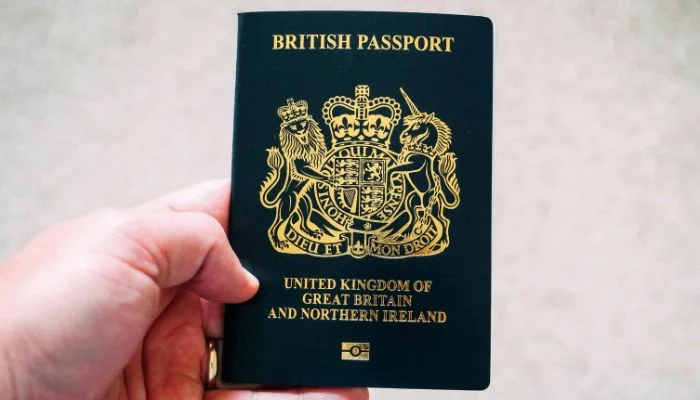
Dual nationals will no longer be allowed to enter the UK using a foreign passport alone. Even if they are British citizens, they must carry proof in the form of a valid British passport.
Electronic Travel Authorisation and Certificate Costs Explained
Most visitors travelling to the UK must apply for an Electronic Travel Authorisation (ETA). The ETA costs £16 per person. It grants short-term travel permission before arrival.
However, dual nationals face stricter requirements. If they do not hold a valid British passport, they must apply for a “certificate of entitlement.” This certificate confirms their right of abode in the UK. It must be attached to their non-British passport.
The certificate of entitlement costs £589. Critics argue that this fee is high. Many say it places an unfair financial burden on British citizens who live abroad.
British nationals who became citizens of another country may face difficulties. This includes those who gained European Union citizenship after Brexit. Some may not have renewed their British passports. Others may have allowed them to expire.
Campaigners warn that affected citizens could be denied boarding or refused entry at the UK border. This could leave people temporarily stranded outside their own country.
Concerns Raised Over Risk of Citizens Being Locked Out
The campaign group the3million has criticised the policy. The group represents EU citizens and British nationals affected by Brexit. It has urged the government to reconsider the approach.
Campaigners have suggested a lower-cost digital travel authorisation system. They point to Canada’s electronic travel system as a possible model. They argue that British citizens should not face high fees to return home.
A spokesperson for the Home Office defended the changes. The department said the digitisation programme will deliver a “seamless travel experience.” Officials also stated that the new system will give authorities greater power to stop individuals who may pose security threats.
Despite these assurances, legal experts and campaigners remain concerned. They argue that British citizens should have straightforward access to their own country. Many dual nationals are now reviewing their passport status ahead of the February 25 deadline.
The new UK border rules are expected to affect thousands of British citizens worldwide. Travellers are advised to check their passport validity immediately. Failure to comply could result in denied entry or costly last-minute applications.
