

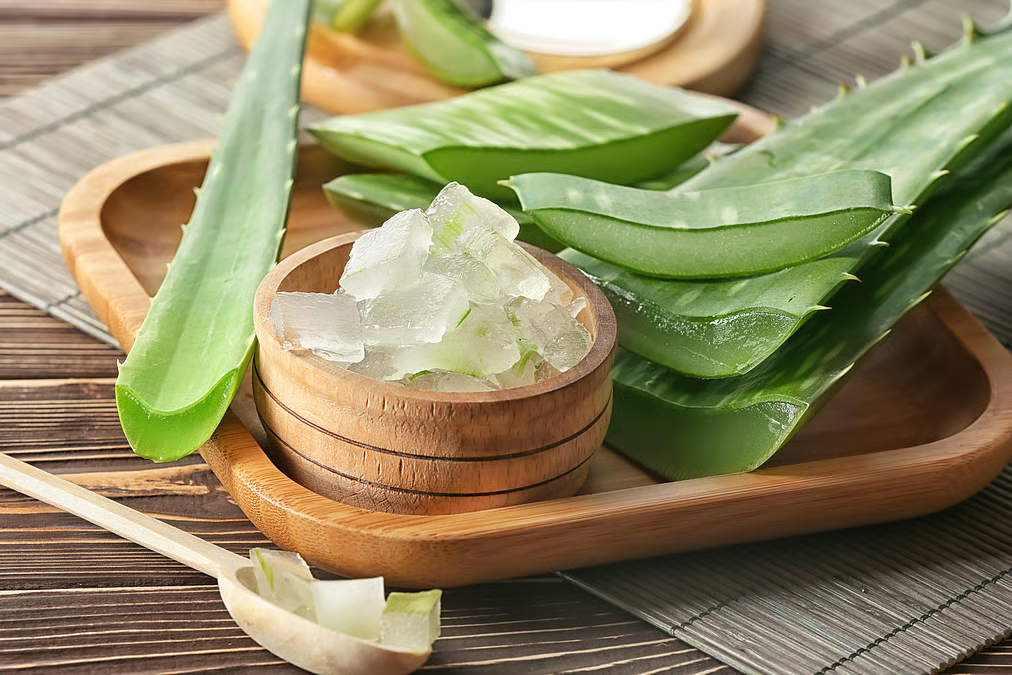

Aloe vera, a plant commonly found in households, is gaining attention for its potential role in Alzheimer’s research. A recent study suggests that this well-known medicinal plant may contain compounds that could help combat memory loss and cognitive decline.
Alzheimer’s disease is the leading cause of dementia worldwide. It mainly affects people over the age of 65. The condition gradually damages brain cells. Over time, it weakens memory and disrupts daily life.
Researchers now believe that aloe vera may hold promise in slowing some effects of the disease. The focus is on a natural compound found inside the plant.
What Makes Aloe Vera Important in Alzheimer’s Research?
The key compound identified in aloe vera is beta-sitosterol. This plant-based substance is naturally present in high amounts in the gel of aloe vera leaves.
According to the study, beta-sitosterol interacts with two important enzymes linked to memory loss and cognitive decline. These enzymes are associated with the progression of Alzheimer’s disease.
Scientists found that the compound shows strong binding activity with these enzymes. This interaction suggests that beta-sitosterol could play a supportive role in future Alzheimer’s treatment research.
While this does not mean aloe vera is a cure, it opens new possibilities. Researchers are now exploring how plant-based compounds can contribute to brain health.
Understanding Alzheimer’s Disease
Alzheimer’s disease slowly destroys brain cells. Memory problems are often the first sign. As the condition worsens, patients may struggle with speaking, thinking, and recognizing familiar faces.
Advanced stages may include hallucinations, confusion, and severe behavioral changes. The disease continues to progress over time.
Currently, there is no cure for Alzheimer’s. Doctors often prescribe cholinesterase inhibitors to manage symptoms. These medicines increase certain brain chemicals that support memory and thinking.
However, these treatments only reduce symptoms. They do not stop or reverse brain damage.
This is why researchers are actively searching for new approaches. Natural compounds are becoming an area of growing interest.
The Broader Role of Beta-Sitosterol
Beta-sitosterol is structurally similar to cholesterol. It is already widely used in dietary supplements. Many people take it to support heart health and lower cholesterol levels.
It is also known to help manage symptoms of an enlarged prostate. In addition, it is commonly used in skincare and wellness products.
The new research highlights its potential neurological benefits. Scientists believe that its interaction with Alzheimer’s-related enzymes makes it a promising candidate for further study.
However, experts caution that more clinical trials are needed. Laboratory findings must be tested in human studies before any medical recommendations can be made.
A Step Toward Future Treatments
With Alzheimer’s cases rising globally, the need for new treatment options is urgent. The discovery of plant-based compounds like beta-sitosterol offers hope.
Aloe vera has long been valued for digestive and skin health benefits. Now, it may also contribute to brain health research.
Although it is too early to call aloe vera a “natural weapon” against Alzheimer’s, the findings provide a new direction for scientific exploration.
Further research will determine whether this common plant can truly play a role in future Alzheimer’s therapies.
