


Russia’s Federal Security Service said Tuesday it had arrested one more suspect in last week’s attempted assassination of a Russian General Vladimir Alexeyev. He was a senior military intelligence officer, and authorities in Moscow have blamed Ukraine for the attack.
Alexeyev, a lieutenant general and first deputy head of Russia’s GRU military intelligence service, was shot several times inside an apartment in Moscow on Friday morning. He was hospitalized and remains in critical condition, although media reports say he is conscious.
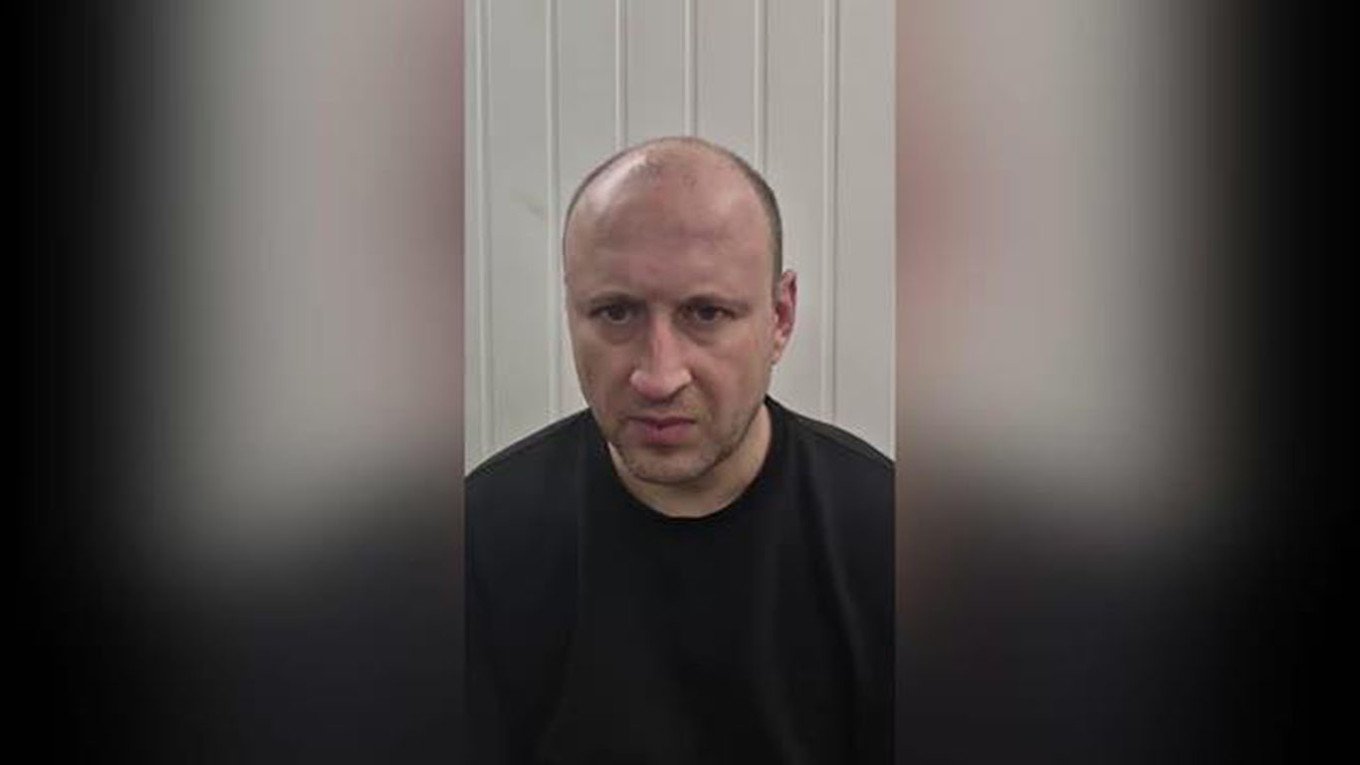
The FSB identified the newly detained suspect as Pavel Vasin, 44, the son of Viktor Vasin, who was arrested shortly after the shooting. Investigators allege that Pavel Vasin provided vehicles used for surveillance and for retrieving weapons from a concealed cache.
Meanwhile, the FSB said the suspected gunman, Lyubomir Korba, a Ukrainian-born Russian citizen, was detained in the United Arab Emirates on Saturday and extradited to Russia. Authorities also named a fourth suspect, Zinaida Serebritskaya, who they say fled to Ukraine. Police issued a warrant for her arrest.
FSB alleges foreign involvement, claims rejected
In an interrogation video released by the FSB, Pavel Vasin said Korba recruited him last September on behalf of Ukraine’s SBU security service. He claimed he carried out logistical tasks and transported Korba as instructed.
Additionally, investigators accused Pavel Vasin of tracking two other senior Russian military officers for potential attacks. His father allegedly rented an apartment for Korba and supplied public transportation cards.
Earlier, the FSB claimed Pavel Vasin holds Polish citizenship and said Polish intelligence assisted in his recruitment. Poland rejected the accusation, calling it disinformation.
The shooting of Alexeyev follows a series of attacks targeting senior Russian officers. Since December 2024, three generals have been killed in or near Moscow. Although no group has claimed responsibility, Ukrainian Foreign Minister Andrii Sybiha denied Kyiv’s involvement, suggesting the incident stemmed from internal Russian infighting.
